

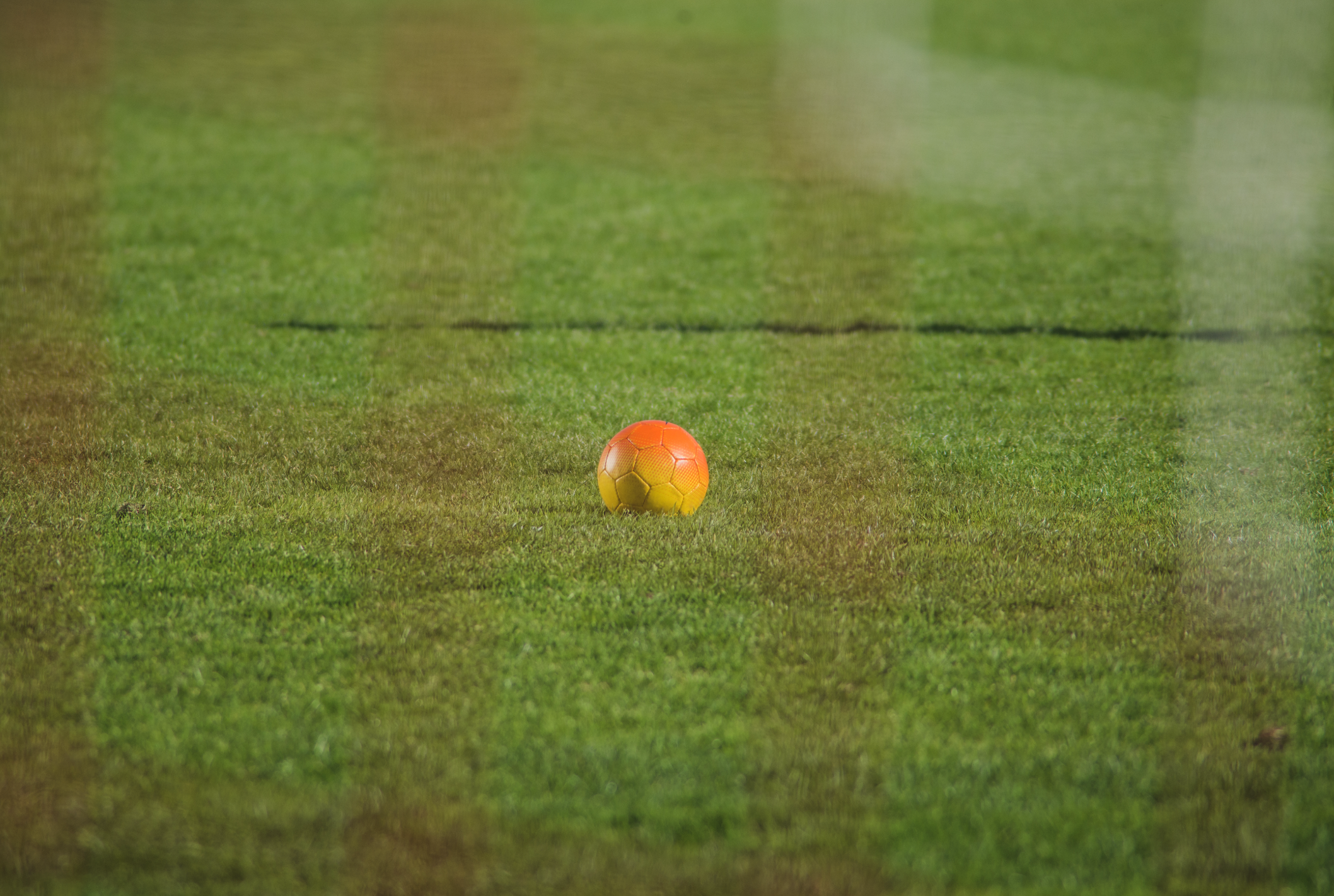
A sports field may appear to be in good condition while already having lost one of its fundamental characteristics: surface levels.
Loss of levels is a progressive phenomenon and is often difficult to see in the early stages, but it directly affects playing quality, surface stability and player safety.
It is not an aesthetic problem. It is a structural problem.
What loss of surface levels means
The levels of a sports field refer to the surface’s ability to remain even over time, without depressions, irregularities or changes in ground response.
When this condition is lost, the pitch no longer reacts consistently to stress: ball behaviour changes, the ground loses stability and the playing experience is affected.
Main causes
- Repeated mechanical stress
Training sessions and matches concentrate wear in the same areas of the pitch.
Over time, these stresses create micro-deformations which, if not managed, develop into more visible irregularities.
- Inadequate sub-base
The works and materials used to build the correct sub-base are decisive.
A base that is not stable or not correctly designed tends to settle over time, compromising surface levels.
- Water management
Inefficient drainage can encourage standing water and loss of soil consistency.
When water is not managed correctly, it becomes one of the main factors behind surface deformation.
- Uncoordinated maintenance
Surface-only interventions carried out without a structural view of the pitch may solve the problem temporarily without removing the cause.
Over time, this leads to progressive deterioration of pitch conditions.
Consequences for performance
Loss of levels directly affects playing quality.
The pitch becomes less predictable, ball response is no longer uniform and the risk of instability during play increases.
In professional environments, this results in an overall reduction in surface quality and greater operational issues.
Why the problem starts below the surface
In most cases, loss of levels is not caused by the turf alone, but by the structure beneath it.
Sub-base, drainage and soil profile determine how the pitch behaves over time.
When these elements are not designed or built correctly, surface deterioration becomes inevitable.
How to intervene
- Pitch analysis
The first step is to understand the cause of the problem, assessing not only the surface but the entire construction system.
- Structural works
When loss of levels is advanced, it may be necessary to intervene on the sub-base or pitch infrastructure, not only on the surface layer.
- Solutions designed for stability
Systems designed to improve surface stability, such as hybrid solutions, can help limit deformation and maintain a more even pitch over time.
- Management and maintenance
Coordinated maintenance, supported by technical and agronomic expertise, allows the grounds team to monitor the pitch and intervene before the issue becomes structural.
An underestimated problem
Loss of surface levels is one of the most underestimated issues in sports field management, precisely because it is not always visible in the early stages.
When it becomes visible, more complex interventions are often already required.
For this reason, prevention and the quality of the initial design are fundamental.
A high-performance sports field is not only a matter of surface quality, but of long-term stability.
Surface levels are one of the most important indicators of pitch quality and depend on how the field has been designed, built and managed.
Contact us to assess the condition of your pitch and identify targeted interventions to maintain stability and performance over time.
Request informationRealized projects.
-
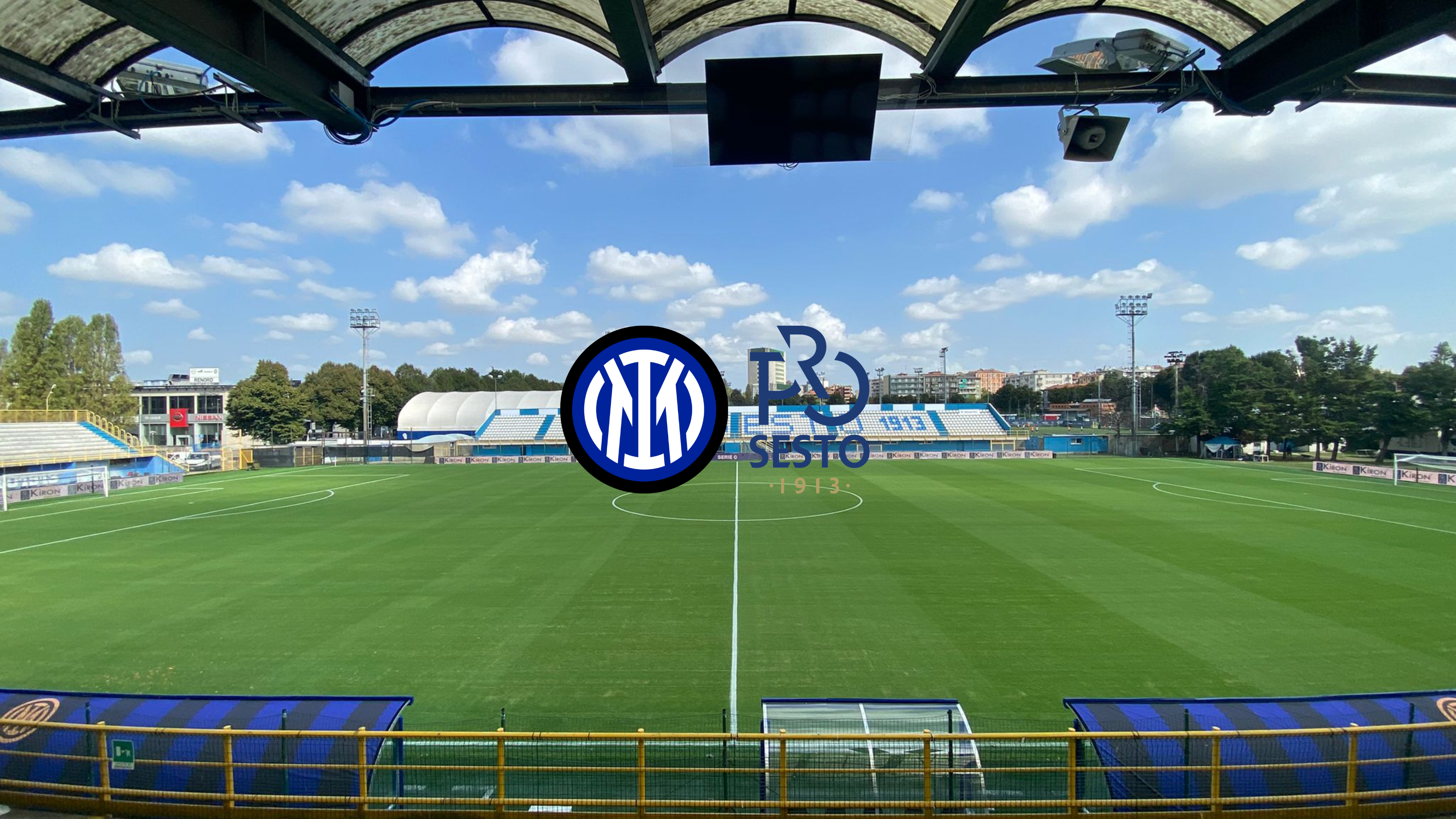
Construction of the new natural pitch at Stadio Ernesto Breda
The FLexGrass team delivered the new natural pitch at Stadio Ernesto Breda in just 2 months
scopri il progetto

-
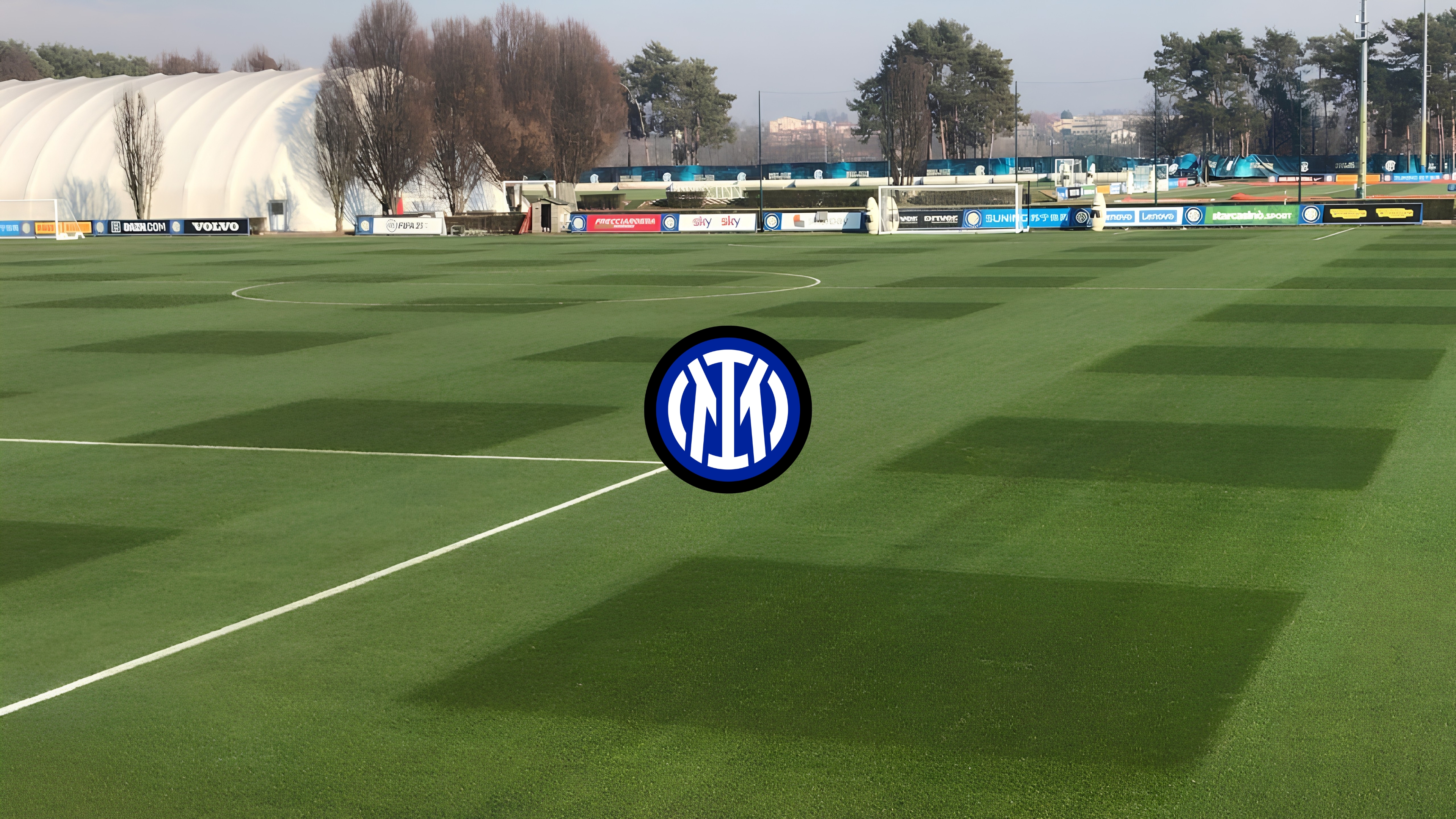
Renovation of the Pitches at the Centro Sportivo Angelo Moratti, Inter
FLexGrass carried out several pitch renovation works at the Centro Sportivo Angelo Moratti
scopri il progetto
-
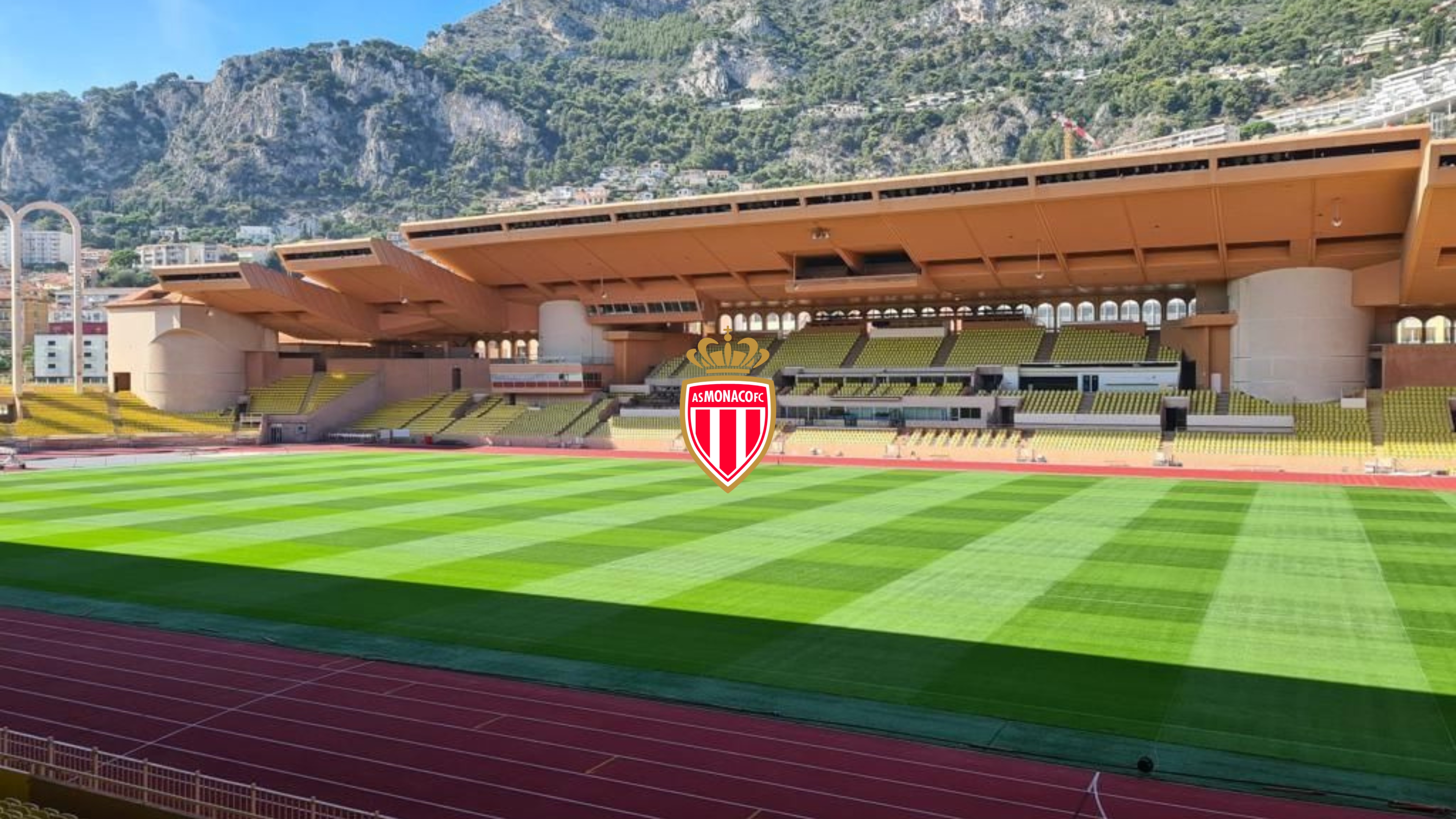
Louis II Stadium pitch in Monaco: the FLexGrass project
Discover the execution of the works on the pitch of the Louis II Stadium in Monaco
scopri il progetto
-
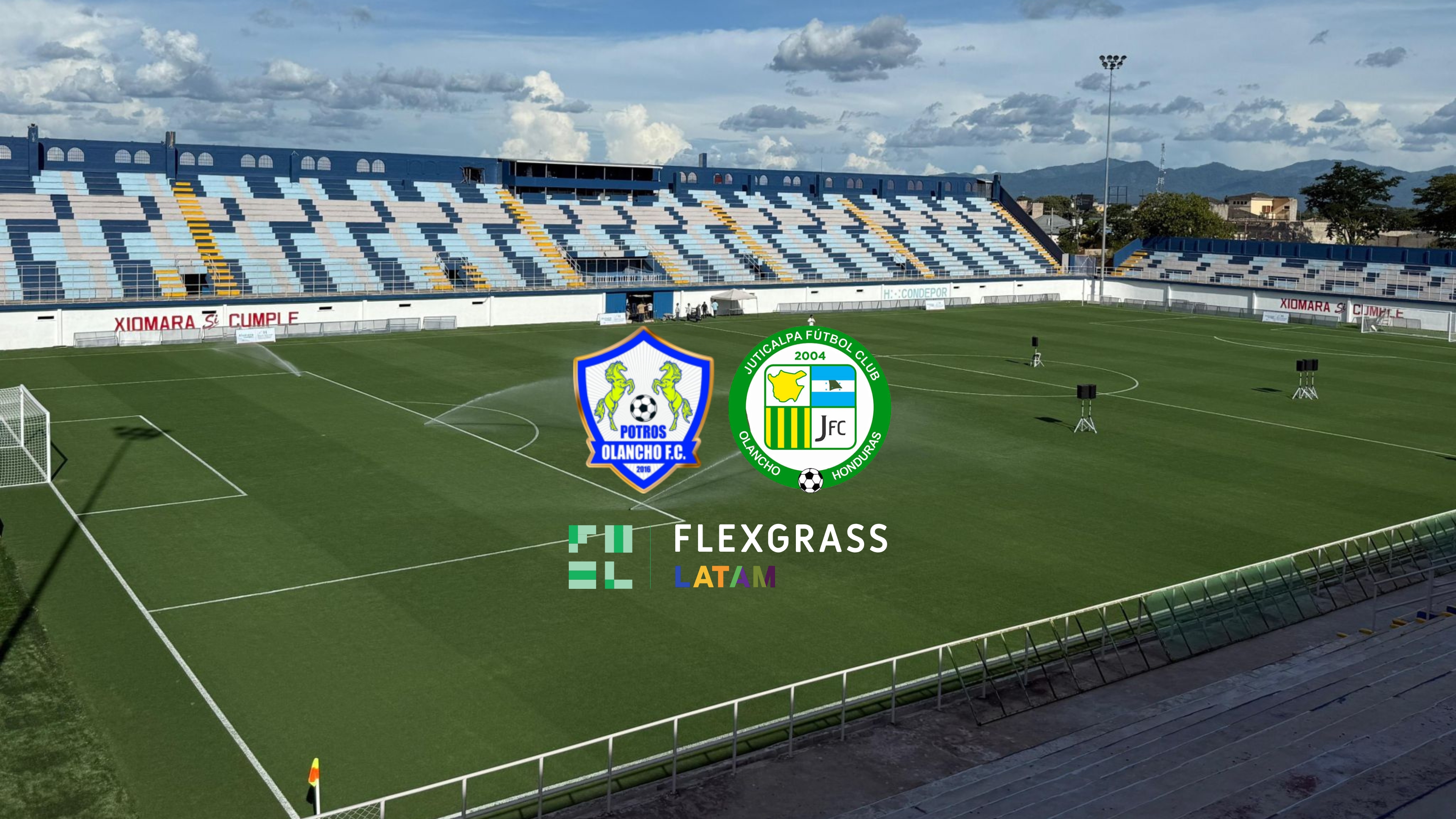
FLexGrass team in Honduras for the Juan Ramón Brevé Vargas stadium
Our hybrid turf system Horizon was selected for the Juan Ramón Brevé Vargas stadium
scopri il progetto
-
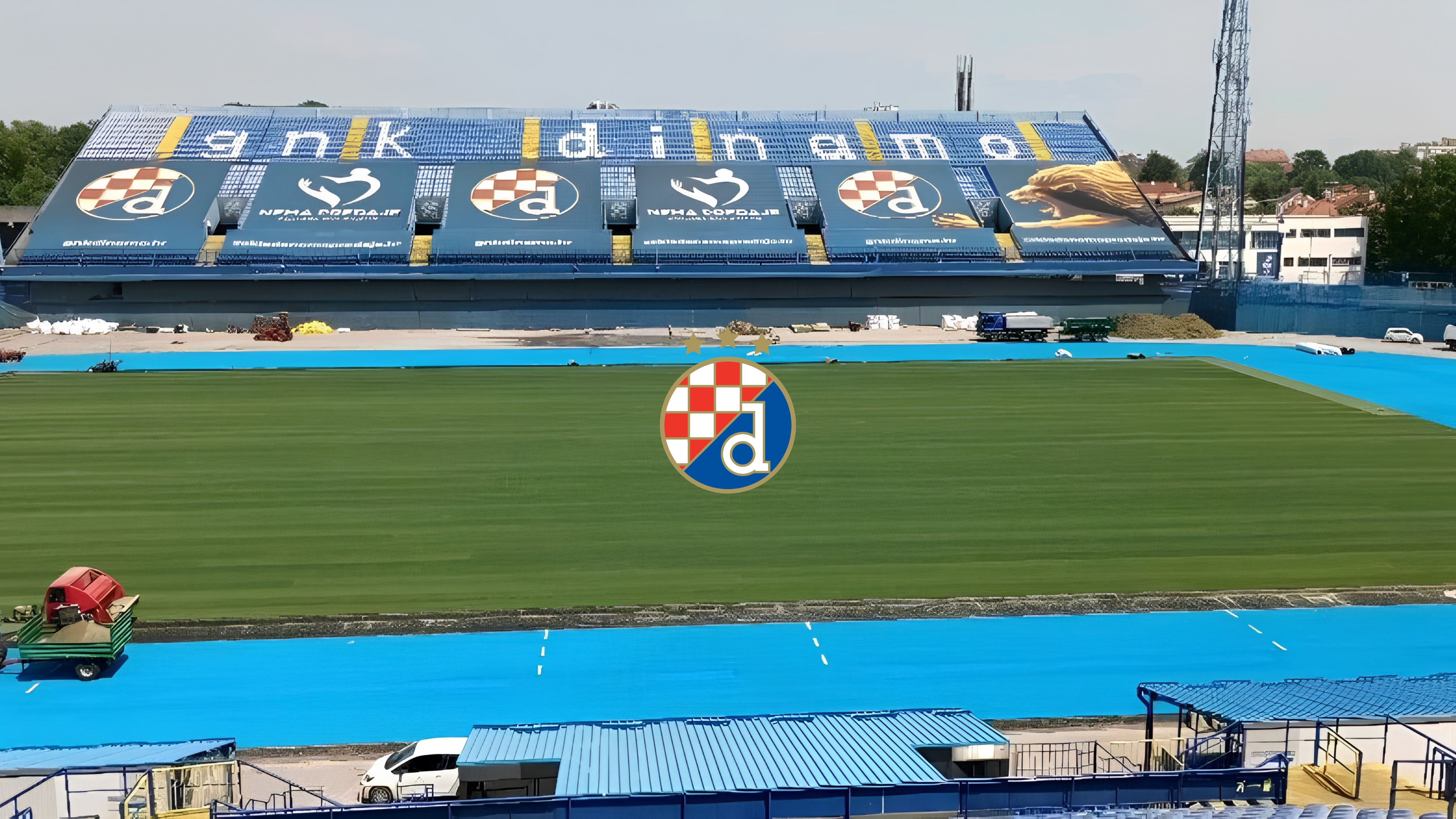
Dinamo Zagreb's stadium goes FLexGrass
In 2024 we were selected to replace the turf surface at Dinamo Zagreb's stadium
scopri il progetto
-
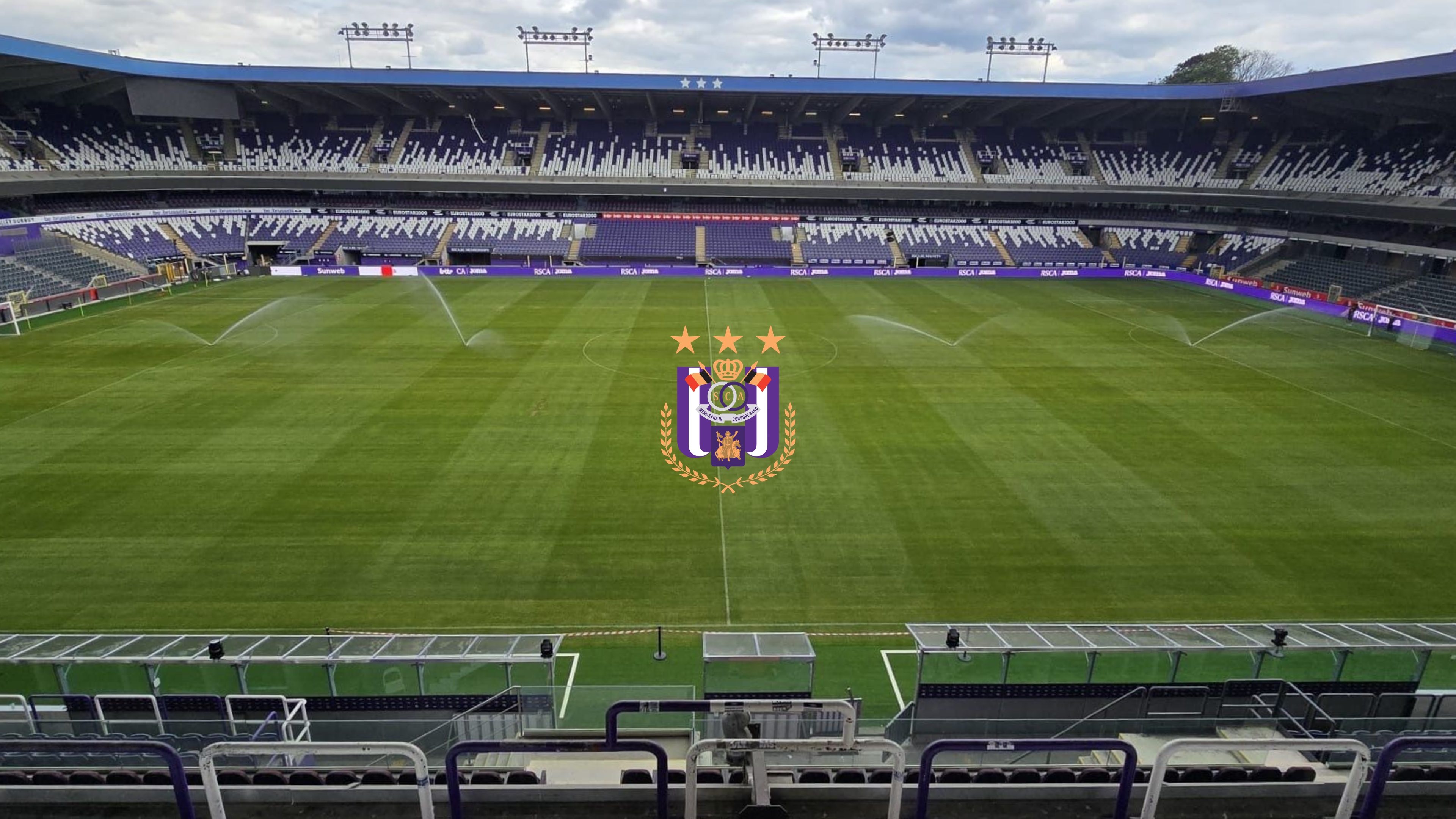
Natural turf installation for the Royal Sporting Club Anderlecht
Natural turf installation for Anderlecht: Lotto Park chooses FLexGrass natural turf sod
scopri il progetto