

Drainage is one of the most critical elements in sports field management, yet it is often underestimated until clear problems appear.
Standing water, loss of ground stability and turf deterioration are often the result of mistakes in the design or management of the drainage system.
Correct drainage work means preserving pitch performance and guaranteeing availability over time.
Design-stage mistakes
One of the most common mistakes is designing the drainage system without a detailed assessment of the site characteristics.
Soil type, climate conditions and the management of falls and levels are fundamental elements that must be analysed from the earliest design stages.
A system designed without considering these factors may be inefficient and can compromise pitch performance.
Incorrect falls and levels
Managing falls is decisive for correct water run-off.
Insufficient or poorly distributed gradients prevent natural water movement and encourage surface ponding.
This problem is not always immediately visible, but over time it can have major consequences for pitch stability.
Poor integration with the sub-base
Drainage cannot be treated as a separate element. It must be integrated with the sub-base structure.
The works and materials used to build the correct sub-base must be consistent with the drainage system to ensure continuous water movement.
Poor integration between these elements can reduce drainage efficiency and compromise pitch performance.
Neglected maintenance
Even a well-designed drainage system can lose efficiency over time if it is not managed correctly.
Material build-up, soil compaction and wear on system components can reduce the drainage capacity of the pitch.
A planned maintenance programme helps keep the system efficient and prevents more complex problems.
Uncoordinated pitch management
Another frequent mistake is managing the pitch without an overall view of the system.
Isolated surface operations, carried out without considering drainage behaviour, can be ineffective or even make the situation worse.
Pitch management must be developed in a coordinated way, taking into account the interaction between surface, sub-base and drainage system.
Consequences of drainage mistakes
Drainage mistakes have a direct impact on pitch performance.
Unstable surfaces, reduced playing quality and restrictions on use are among the most common consequences.
In professional environments, these problems lead to operational difficulties and additional costs linked to corrective works.
How to avoid these problems
Avoiding drainage management mistakes requires a technical approach that starts with design and continues throughout pitch management.
Site analysis, material selection, correct sub-base construction and planned maintenance are key elements in delivering an effective drainage system.
FLexGrass integrates drainage into the complete pitch design, developing solutions that help maintain performance and availability over time.
Drainage is an invisible but decisive element in the functioning of a sports field.
Design or management mistakes can quickly compromise surface performance, while a well-developed system preserves pitch quality over the long term.
Request informationRealized projects.
-
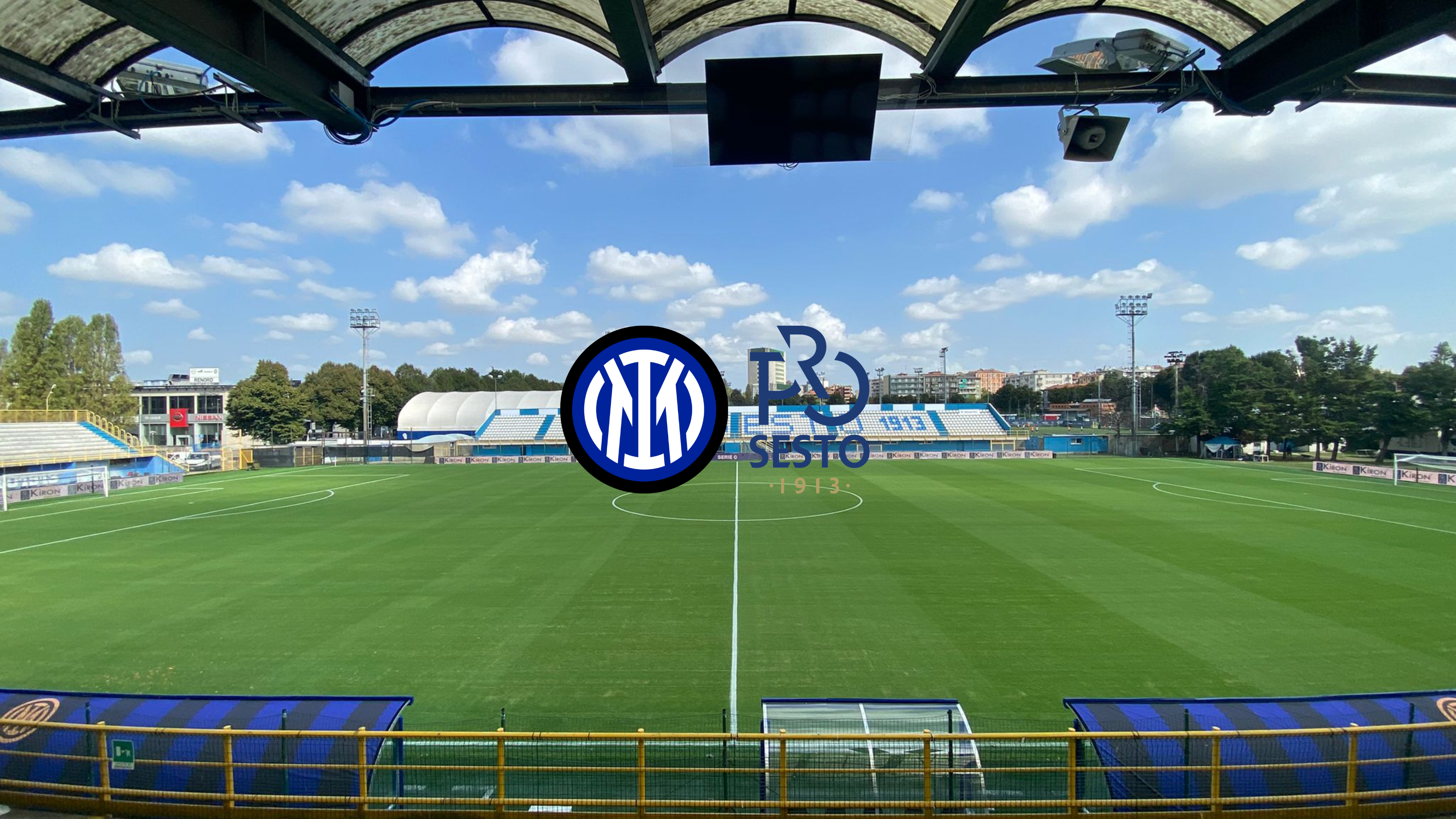
Construction of the new natural pitch at Stadio Ernesto Breda
The FLexGrass team delivered the new natural pitch at Stadio Ernesto Breda in just 2 months
scopri il progetto

-
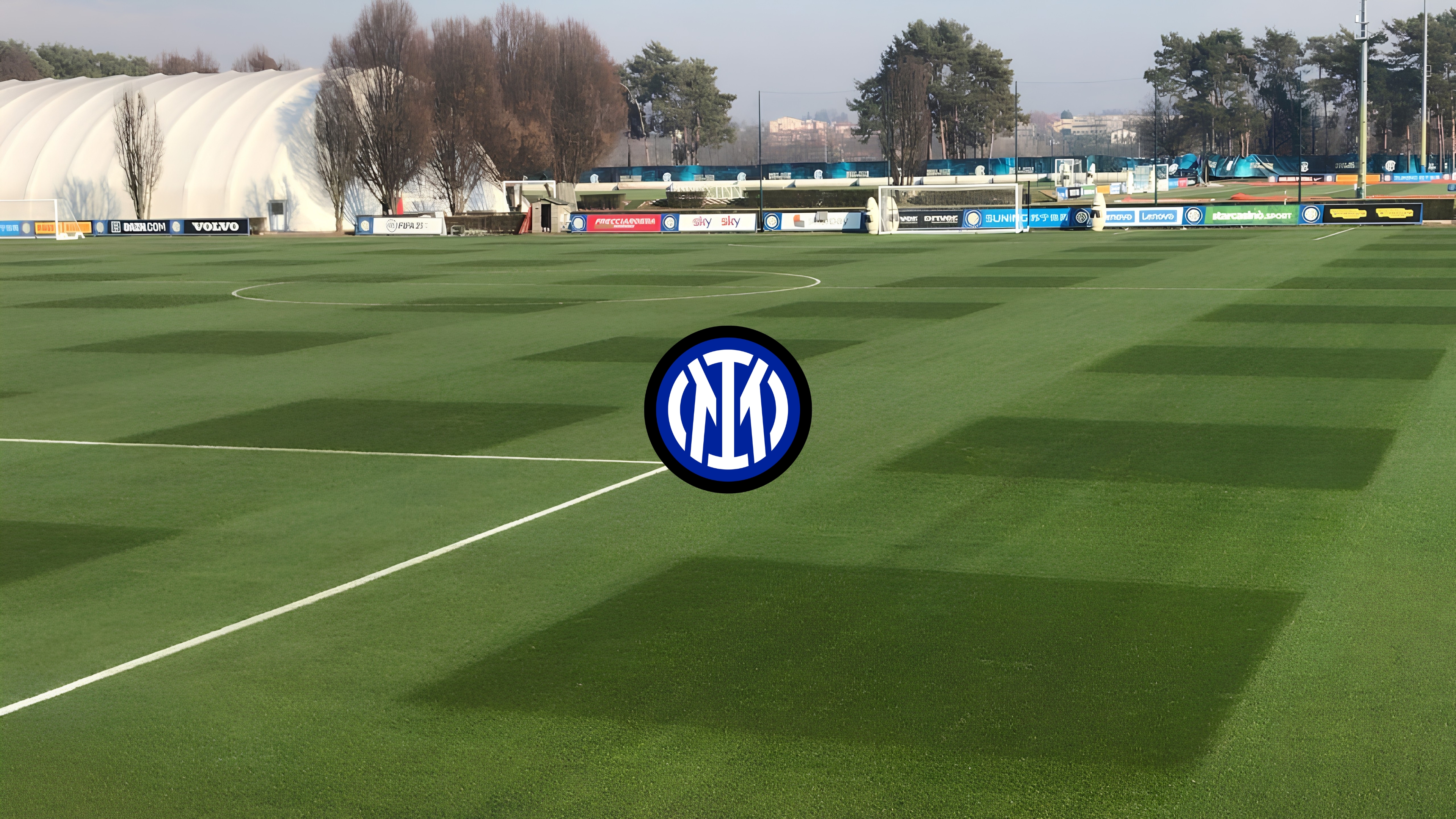
Renovation of the Pitches at the Centro Sportivo Angelo Moratti, Inter
FLexGrass carried out several pitch renovation works at the Centro Sportivo Angelo Moratti
scopri il progetto
-
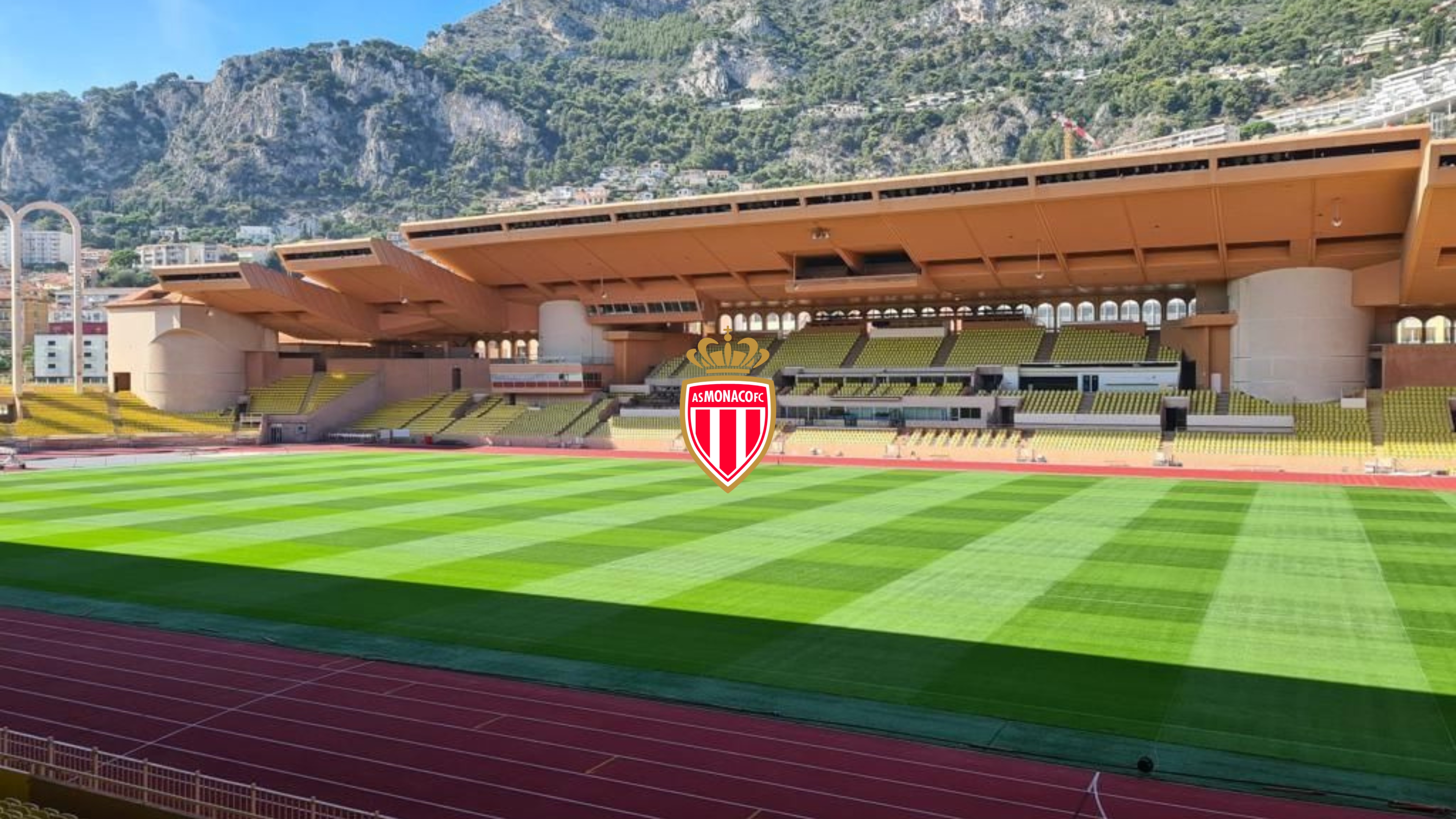
Louis II Stadium pitch in Monaco: the FLexGrass project
Discover the execution of the works on the pitch of the Louis II Stadium in Monaco
scopri il progetto
-
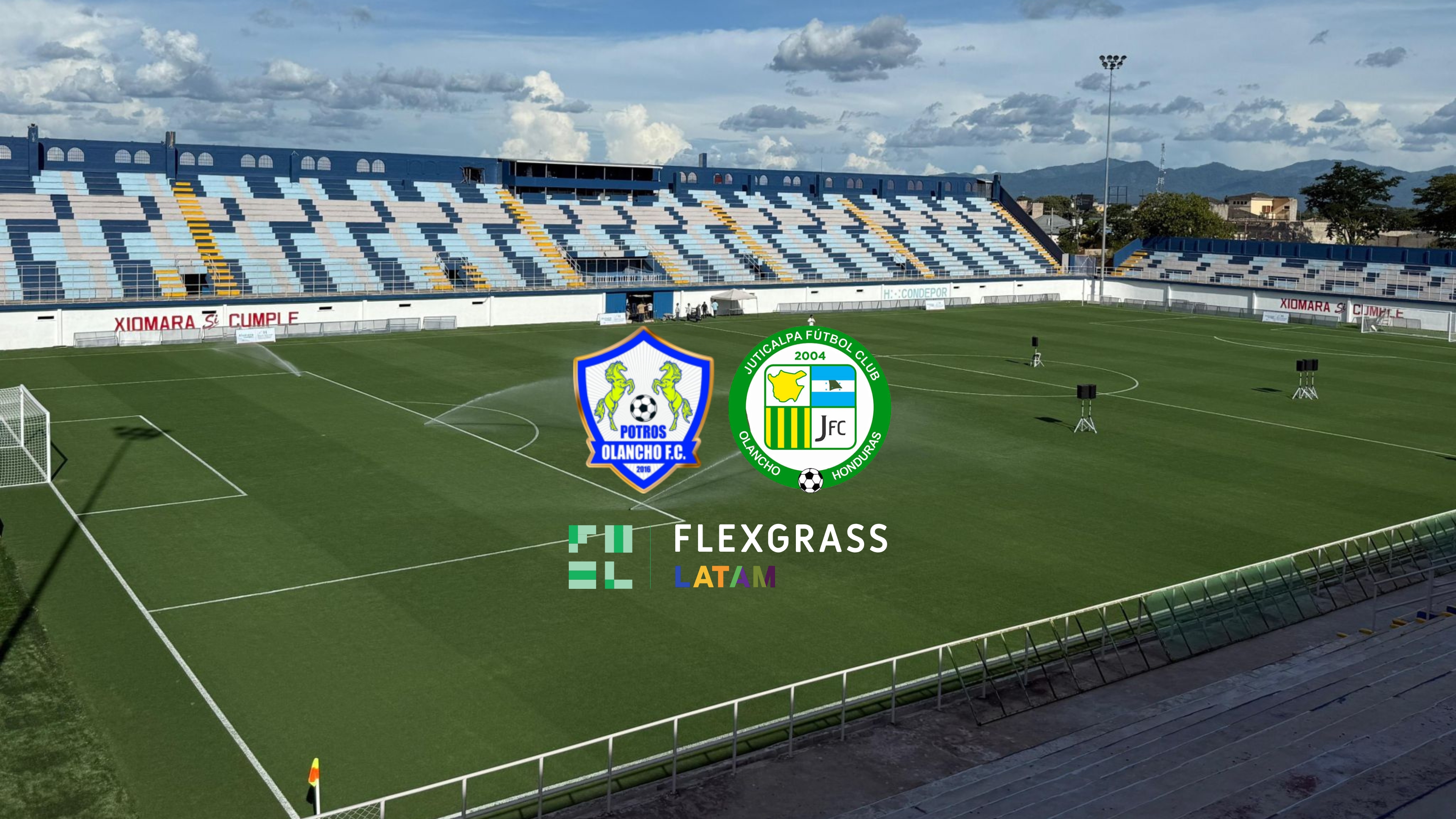
FLexGrass team in Honduras for the Juan Ramón Brevé Vargas stadium
Our hybrid turf system Horizon was selected for the Juan Ramón Brevé Vargas stadium
scopri il progetto
-
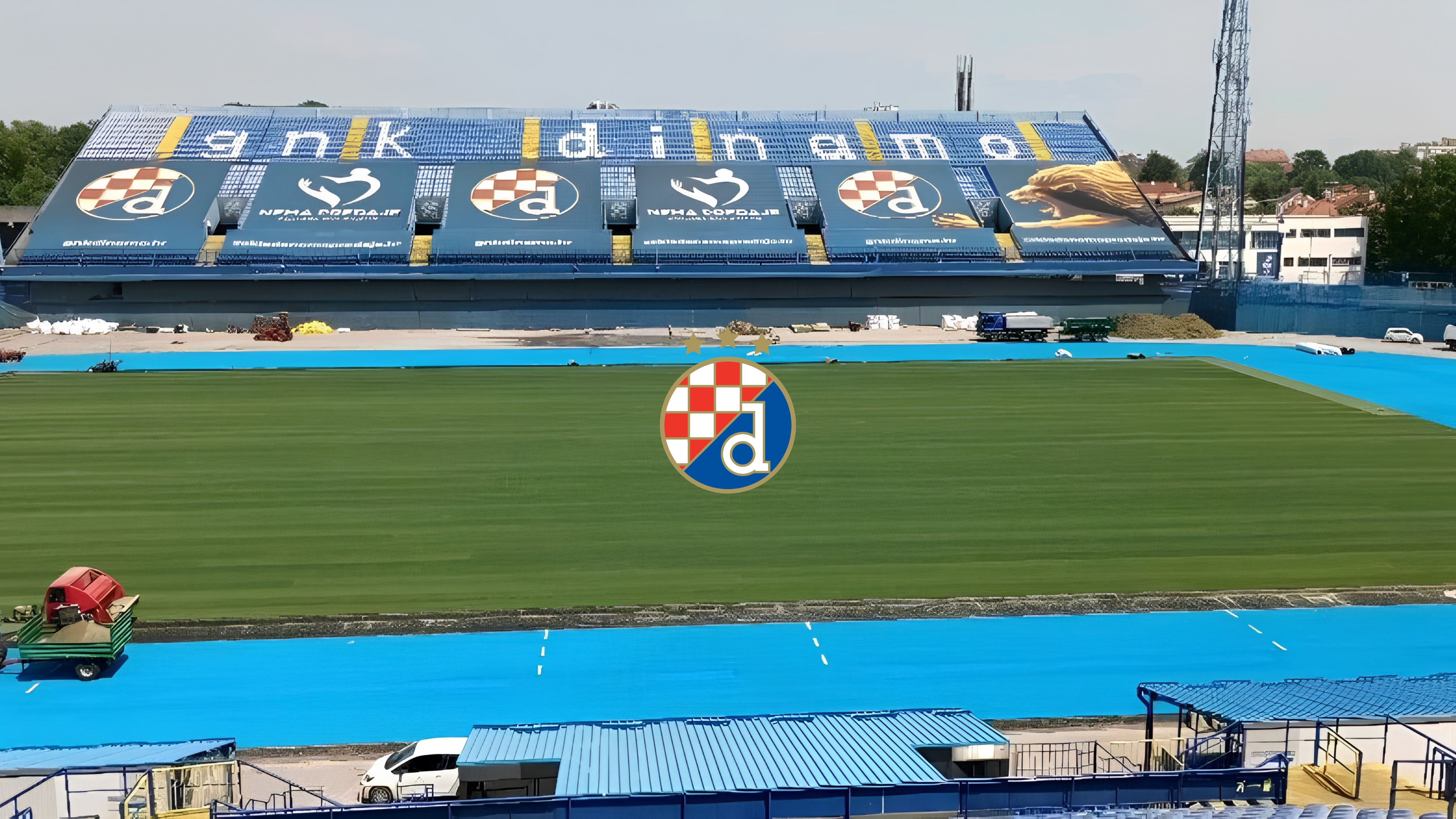
Dinamo Zagreb's stadium goes FLexGrass
In 2024 we were selected to replace the turf surface at Dinamo Zagreb's stadium
scopri il progetto
-
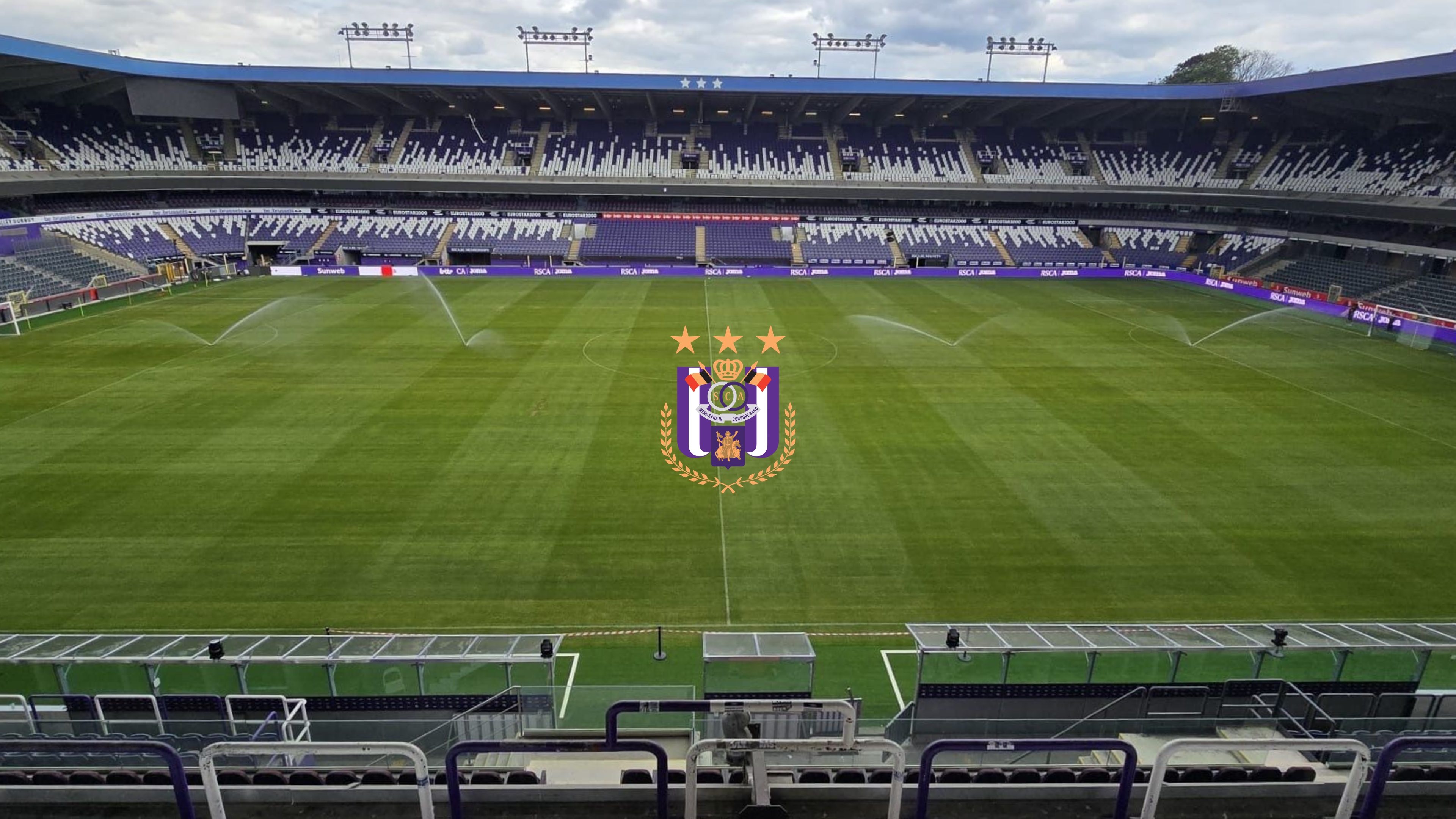
Natural turf installation for the Royal Sporting Club Anderlecht
Natural turf installation for Anderlecht: Lotto Park chooses FLexGrass natural turf sod
scopri il progetto