

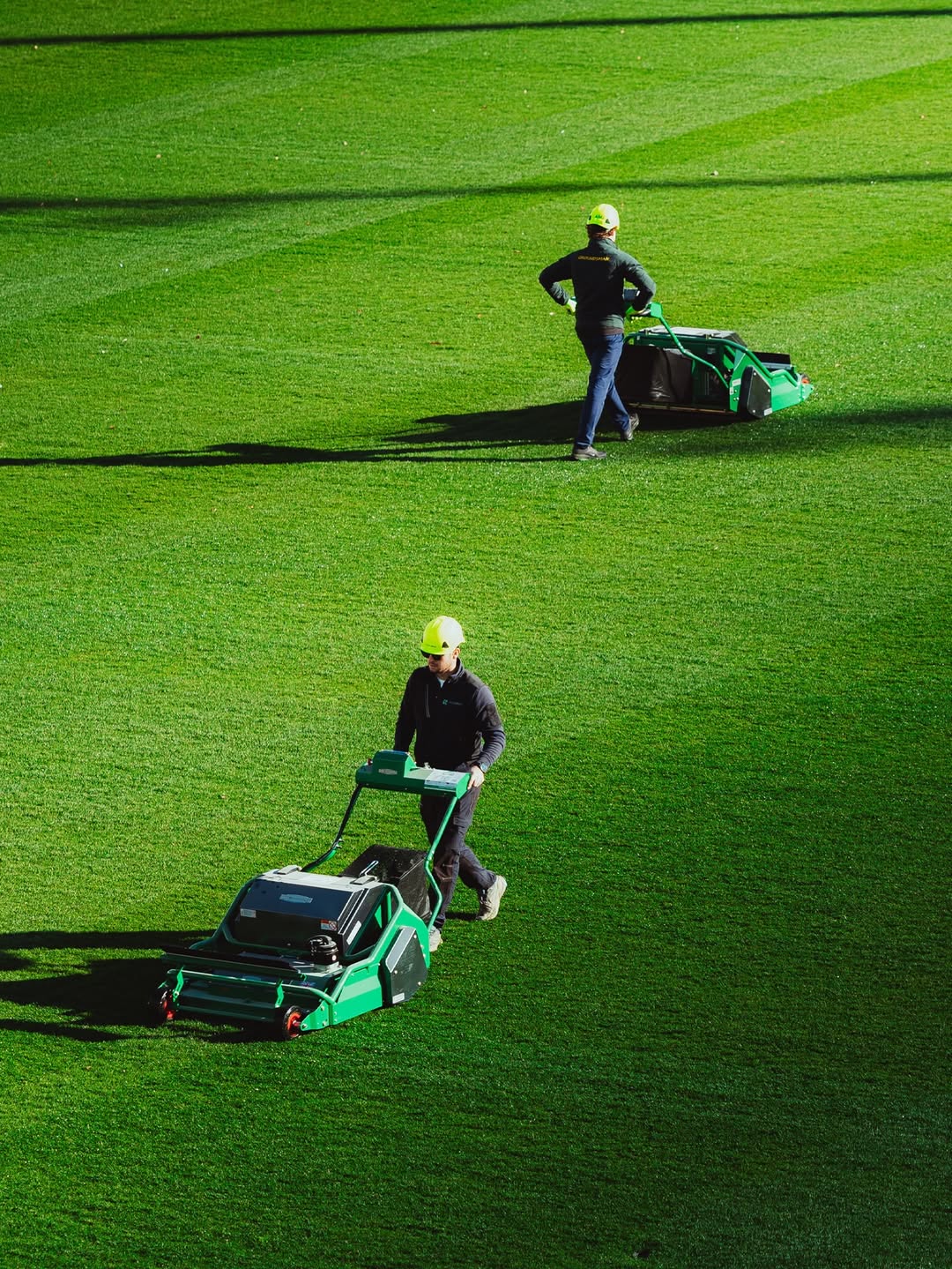
Hybrid pitches are now one of the most widely used solutions in professional football, thanks to their ability to combine the behaviour of natural grass with synthetic reinforcement systems.
Within this category, however, different technologies are available, each developed to meet specific operational requirements. The main distinction is between horizontal reinforcement systems and stitched systems, based on the vertical integration of synthetic fibres.
Understanding the differences between these solutions is essential when selecting the most suitable system for a stadium or training-ground environment.
Horizontal hybrid systems
Horizontal systems are based on the use of a synthetic backing integrated at the base of the turf carpet.
This layer, generally made up of a mat with synthetic fibres, is laid and then integrated with natural turf, creating a structure that helps stabilise the playing surface.
One of the main features of these systems is installation speed, especially when pre-grown hybrid turf rolls are used.
This solution allows work to be completed in reduced timeframes and the pitch to be brought into play relatively quickly, making it particularly suitable where operational windows are tight.
Stitched hybrid systems
Stitched systems involve inserting synthetic fibres directly into the soil using specialised machines that stitch the reinforcement into the pitch.
The fibres are integrated at depth, creating a more compact and resistant structure in which the natural component remains dominant but is supported by a distributed reinforcement.
This solution provides high surface stability and a greater capacity to withstand intensive use over time.
Installation requires a more structured programme than horizontal systems, but it provides deeper integration between the rootzone and the synthetic reinforcement.
Main differences between the systems
The difference between horizontal and stitched systems mainly lies in how the reinforcement is integrated into the pitch structure.
- Horizontal systems work at the base of the turf carpet, offering a faster and more flexible installation solution.
- Stitched systems work directly within the soil profile, providing deeper reinforcement and greater long-term resistance.
The choice between the two depends on several factors, including available timeframes, expected usage levels and the characteristics of the facility.
When to choose a horizontal system
Horizontal systems are particularly suitable when rapid intervention is required or when the club needs a solution that allows the pitch to be brought back into use quickly.
They are appropriate for contexts where flexibility and installation speed are a priority.
When to choose a stitched system
Stitched systems are suitable for sports facilities exposed to intensive use, where stability and long-term resistance must be guaranteed.
The deeper integration between fibres and soil allows the surface to deliver more consistent performance even in demanding operating conditions.
The role of design
Regardless of the technology selected, the performance of a hybrid pitch depends on the quality of the entire system.
From the works and materials used to build the correct sub-base through to water management and maintenance, every element contributes to the behaviour of the playing surface.
FLexGrass develops both solutions, selecting the most suitable system according to the project requirements and the operational context.
There is no single solution for every hybrid pitch.
The choice between horizontal and stitched systems must be made by assessing the context, timeframes and usage objectives of the pitch.
Understanding the differences between these technologies allows clubs and grounds teams to adopt more informed solutions and obtain surfaces designed to deliver performance and continuity over time.
Request informationRealized projects.
-
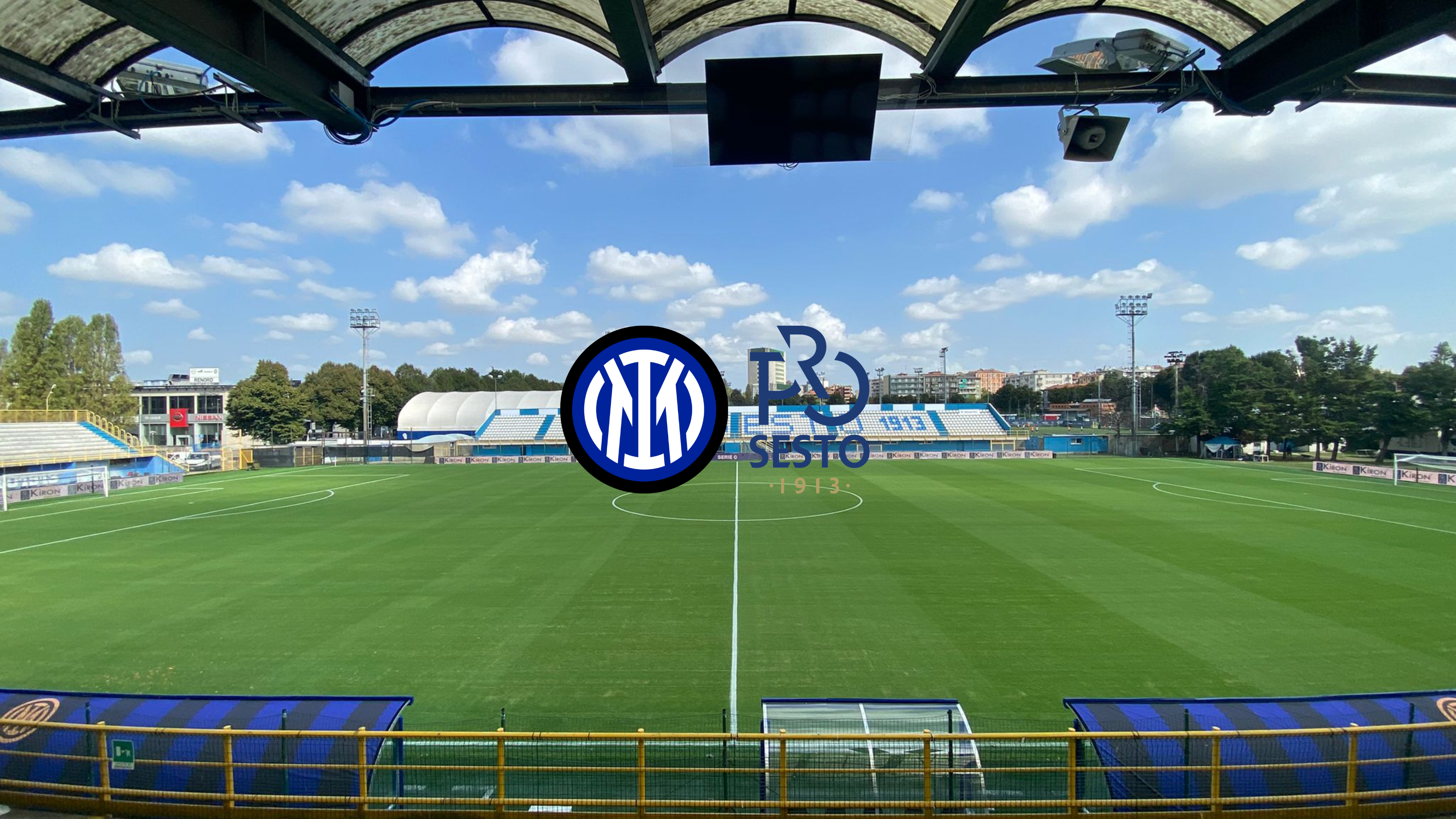
Construction of the new natural pitch at Stadio Ernesto Breda
The FLexGrass team delivered the new natural pitch at Stadio Ernesto Breda in just 2 months
scopri il progetto

-
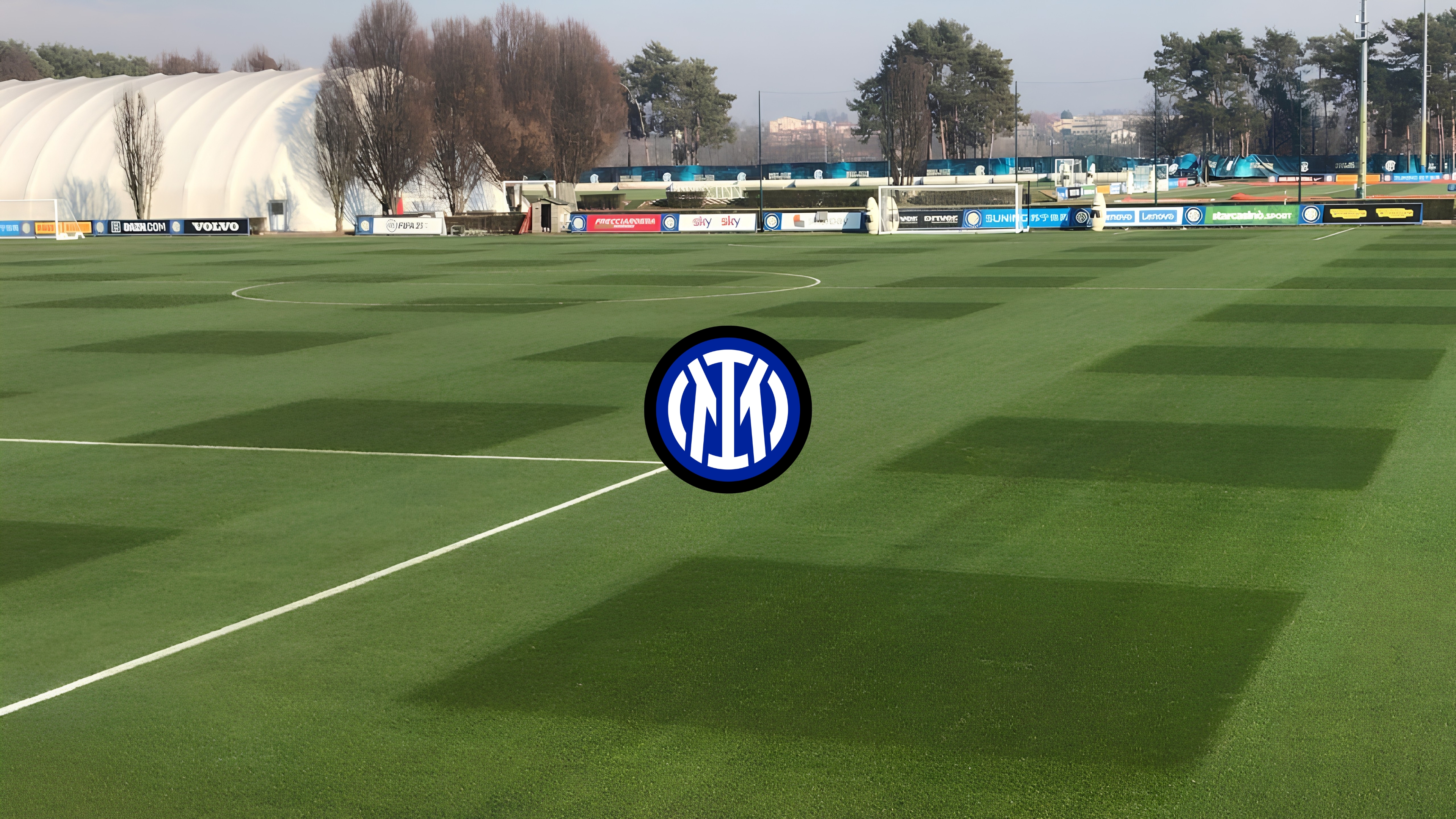
Renovation of the Pitches at the Centro Sportivo Angelo Moratti, Inter
FLexGrass carried out several pitch renovation works at the Centro Sportivo Angelo Moratti
scopri il progetto
-
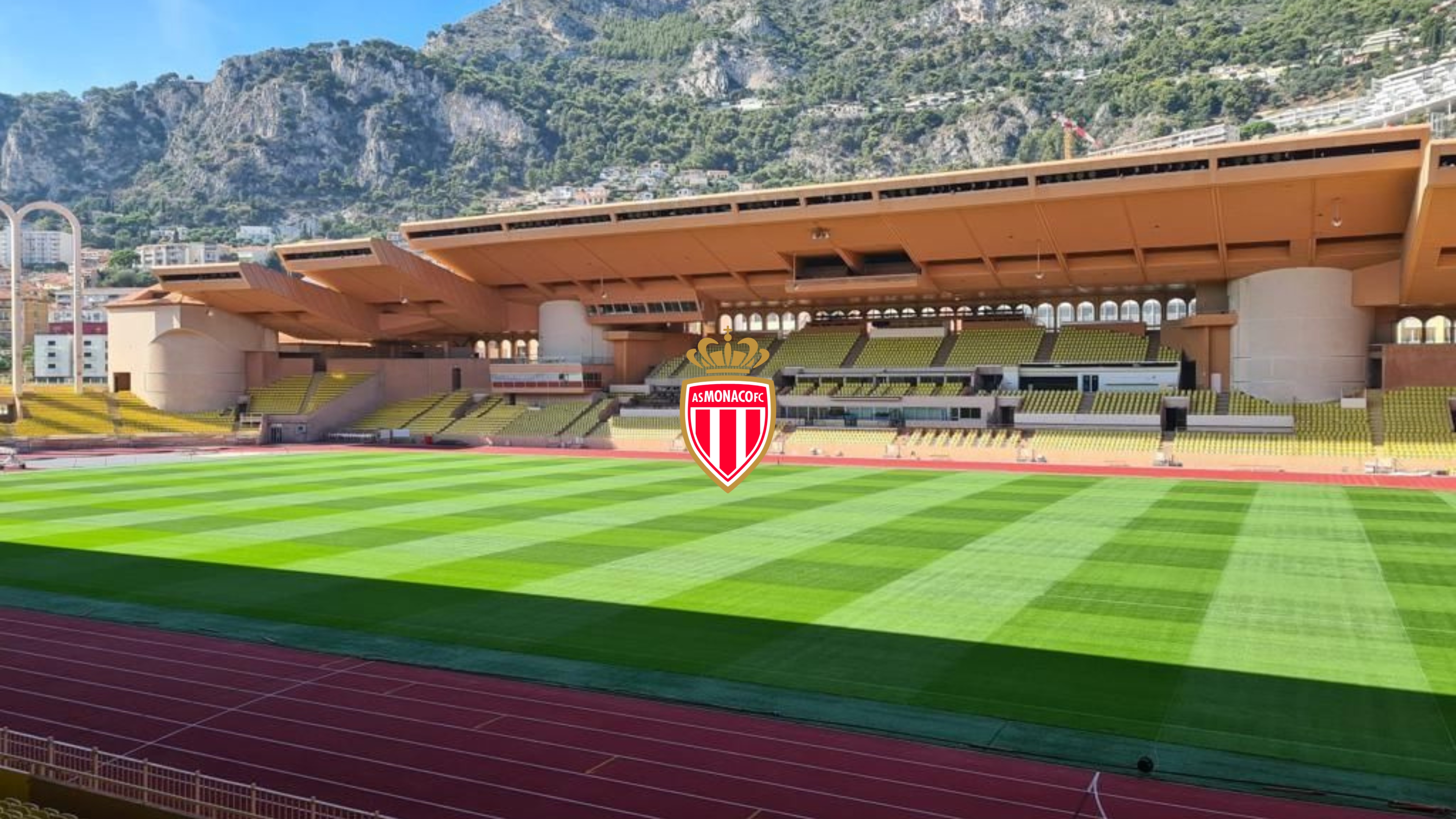
Louis II Stadium pitch in Monaco: the FLexGrass project
Discover the execution of the works on the pitch of the Louis II Stadium in Monaco
scopri il progetto
-
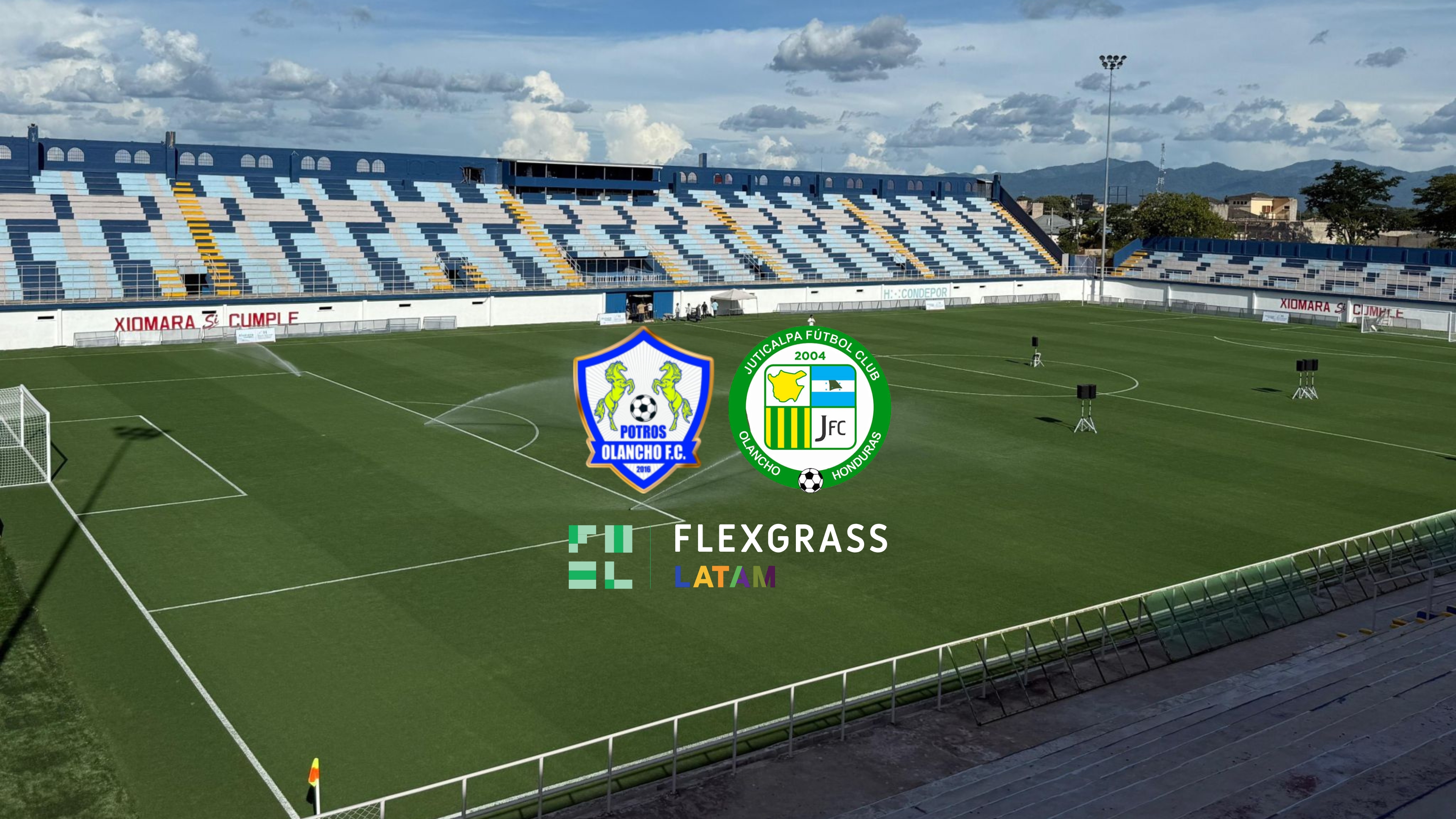
FLexGrass team in Honduras for the Juan Ramón Brevé Vargas stadium
Our hybrid turf system Horizon was selected for the Juan Ramón Brevé Vargas stadium
scopri il progetto
-
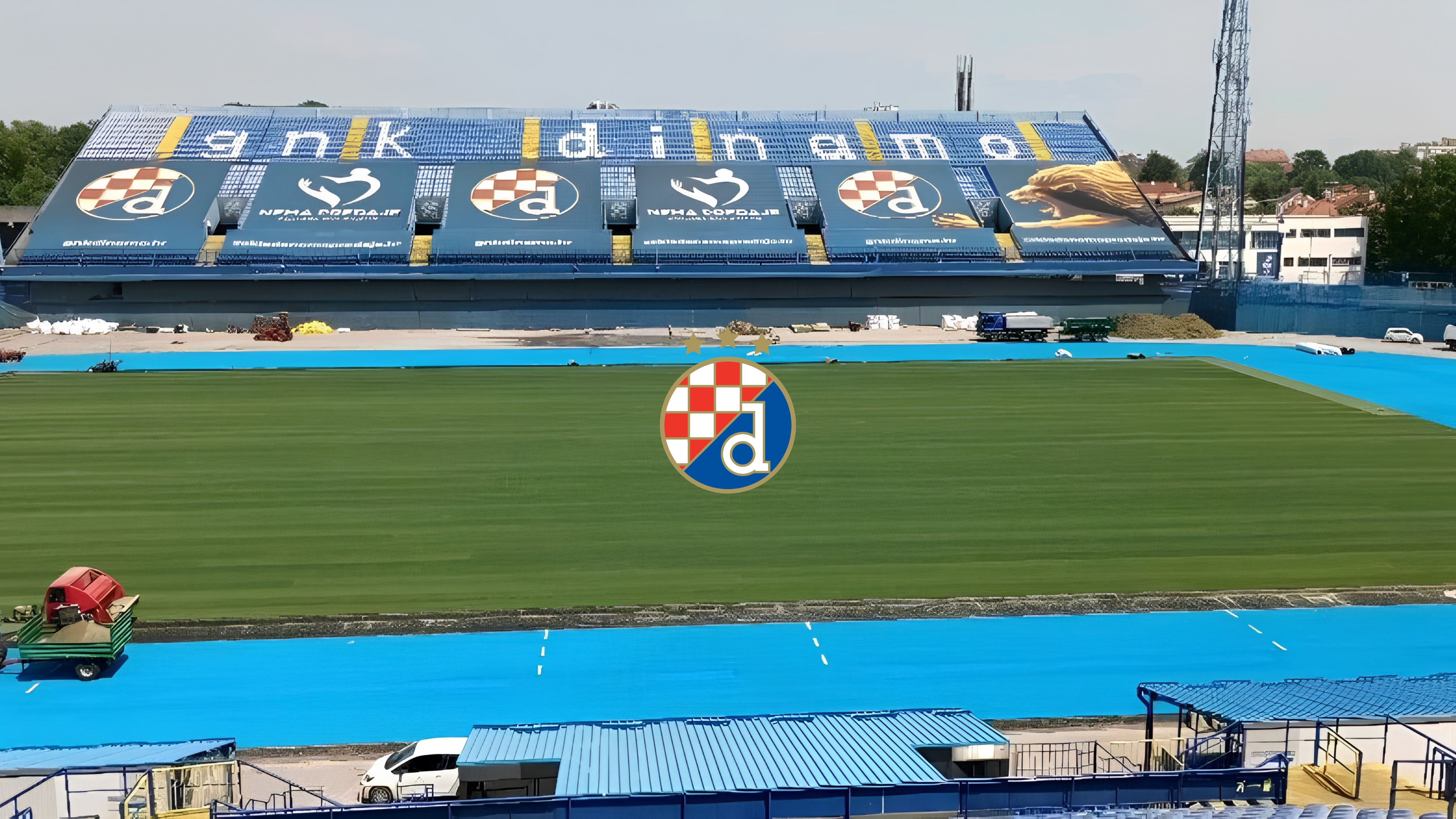
Dinamo Zagreb's stadium goes FLexGrass
In 2024 we were selected to replace the turf surface at Dinamo Zagreb's stadium
scopri il progetto
-
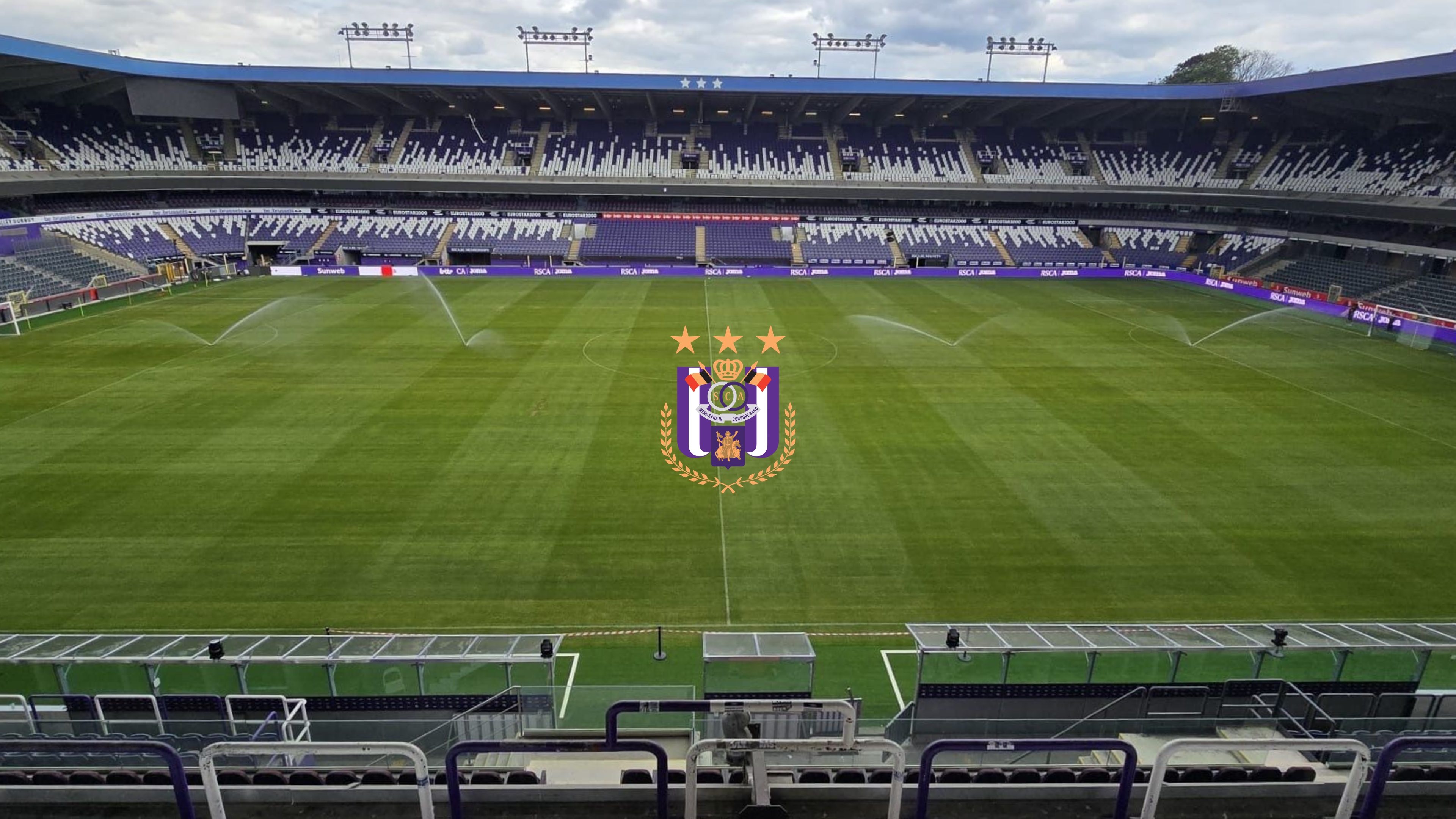
Natural turf installation for the Royal Sporting Club Anderlecht
Natural turf installation for Anderlecht: Lotto Park chooses FLexGrass natural turf sod
scopri il progetto