

Professional sports surfaces are a central element in facility design, directly influencing playing performance, athlete safety, and the operational management of the pitch. The choice of surface must be evaluated based on intended use, the level of the facility, and environmental conditions, considering the differences between natural, synthetic, and hybrid systems.
Natural grass
Natural grass surfaces are the traditional solution for football and other field sports. They offer a playing behavior valued for its natural feel and ball interaction but require careful management to maintain optimal conditions over time. The quality of the surface depends on maintenance, climatic conditions, and the pitch's capacity to support the usage load.
Synthetic grass
Synthetic grass surfaces are designed to guarantee high wear resistance and continuity of use. They can support a high number of playing hours with reduced maintenance compared to natural pitches, making them suitable for contexts with intensive use or simplified management needs. However, the surface behavior differs from that of natural turf, affecting the quality of the playing experience.
Hybrid grass
Hybrid surfaces represent an evolution in sports surfaces, combining natural turf with a synthetic reinforcement system. This solution maintains the feel and playability of natural grass while simultaneously improving surface stability and wear resistance. Hybrid systems are particularly suitable for professional contexts where it is necessary to guarantee high performance and continuity of use over time.
Differences between surfaces
The main differences between sports surfaces concern the capacity to support usage, maintenance management, and surface behavior during play. Natural grass offers high playing quality but requires constant management; synthetic grass guarantees continuity of use with fewer maintenance interventions; while hybrid systems represent a balance between natural performance and pitch resistance.
How to choose the most suitable surface
The choice of surface must be made by evaluating several factors, including intensity of use, the facility's level, and environmental conditions. In professional contexts, where surface quality and continuity of use are fundamental elements, it is necessary to adopt solutions designed to maintain consistent performance over time. FLexGrass supports designers and operators in selecting the most suitable solution, developing sports surfaces based on the specific needs of the project.
Contact us to learn more about solutions for professional sports surfaces.
Request informationRealized Projects.
-
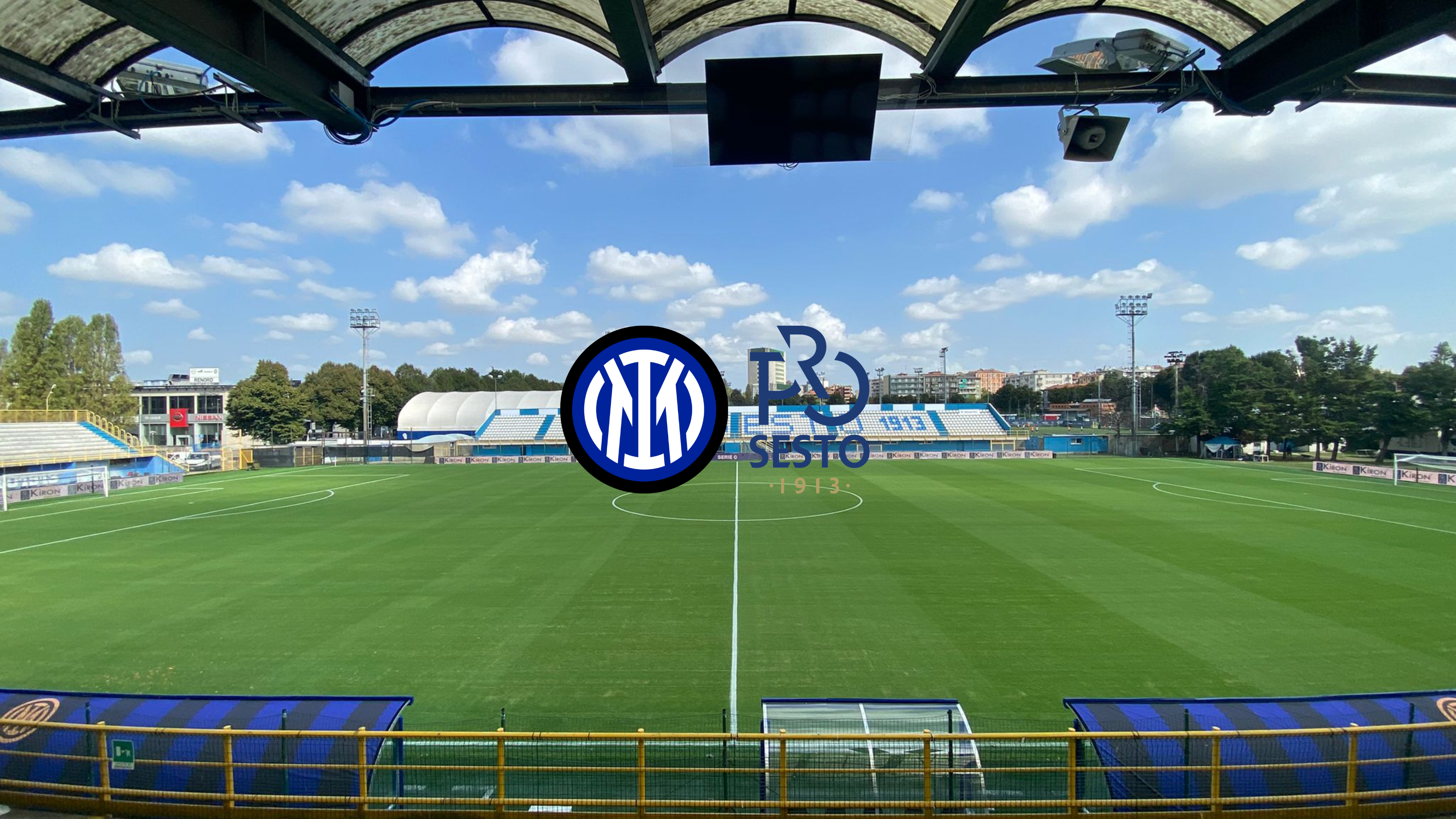
Construction of the new natural pitch at Stadio Ernesto Breda
The FLexGrass team delivered the new natural pitch at Stadio Ernesto Breda in just 2 months
scopri il progetto

-
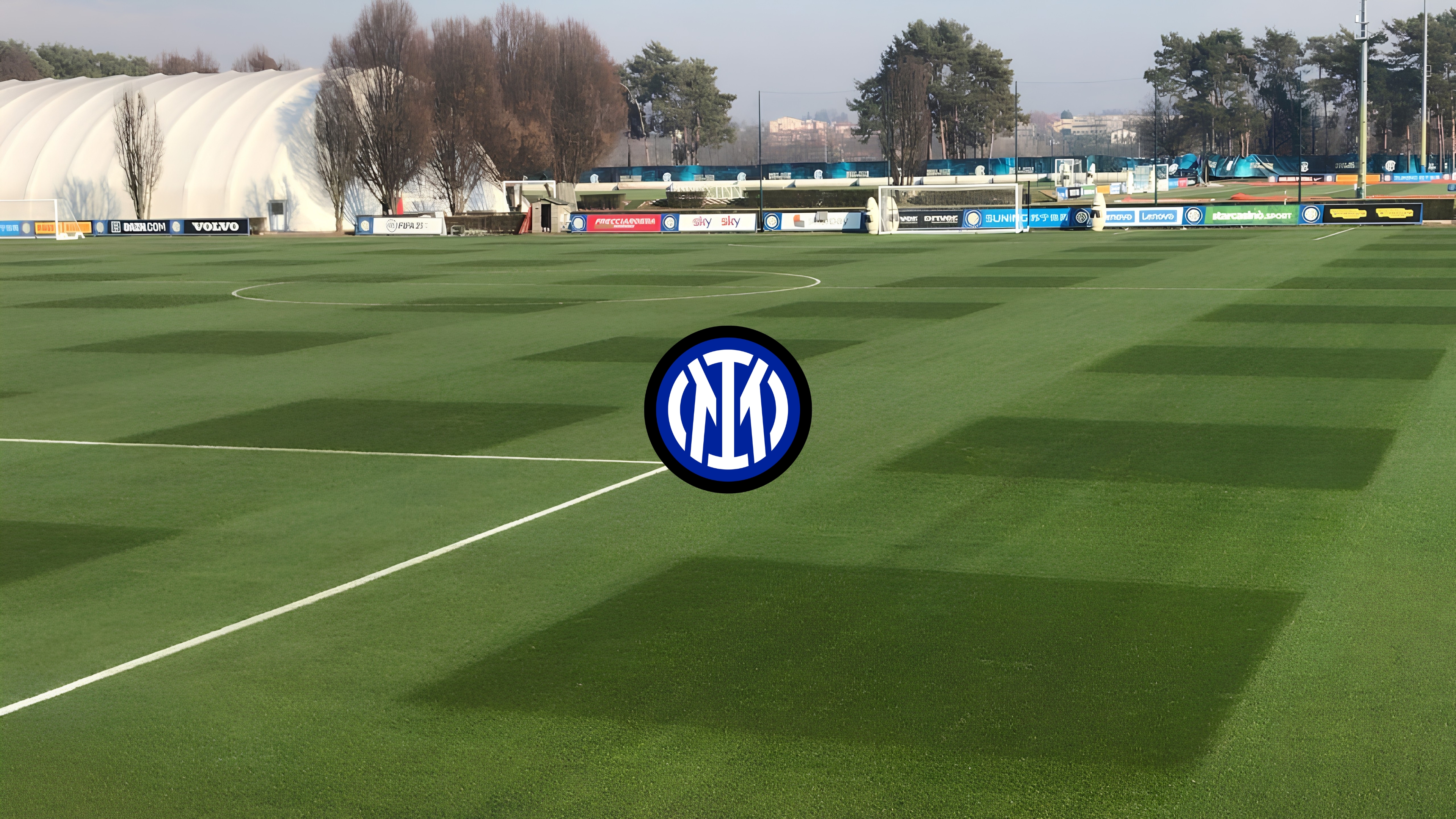
Renovation of the Pitches at the Centro Sportivo Angelo Moratti, Inter
FLexGrass carried out several pitch renovation works at the Centro Sportivo Angelo Moratti
scopri il progetto
-
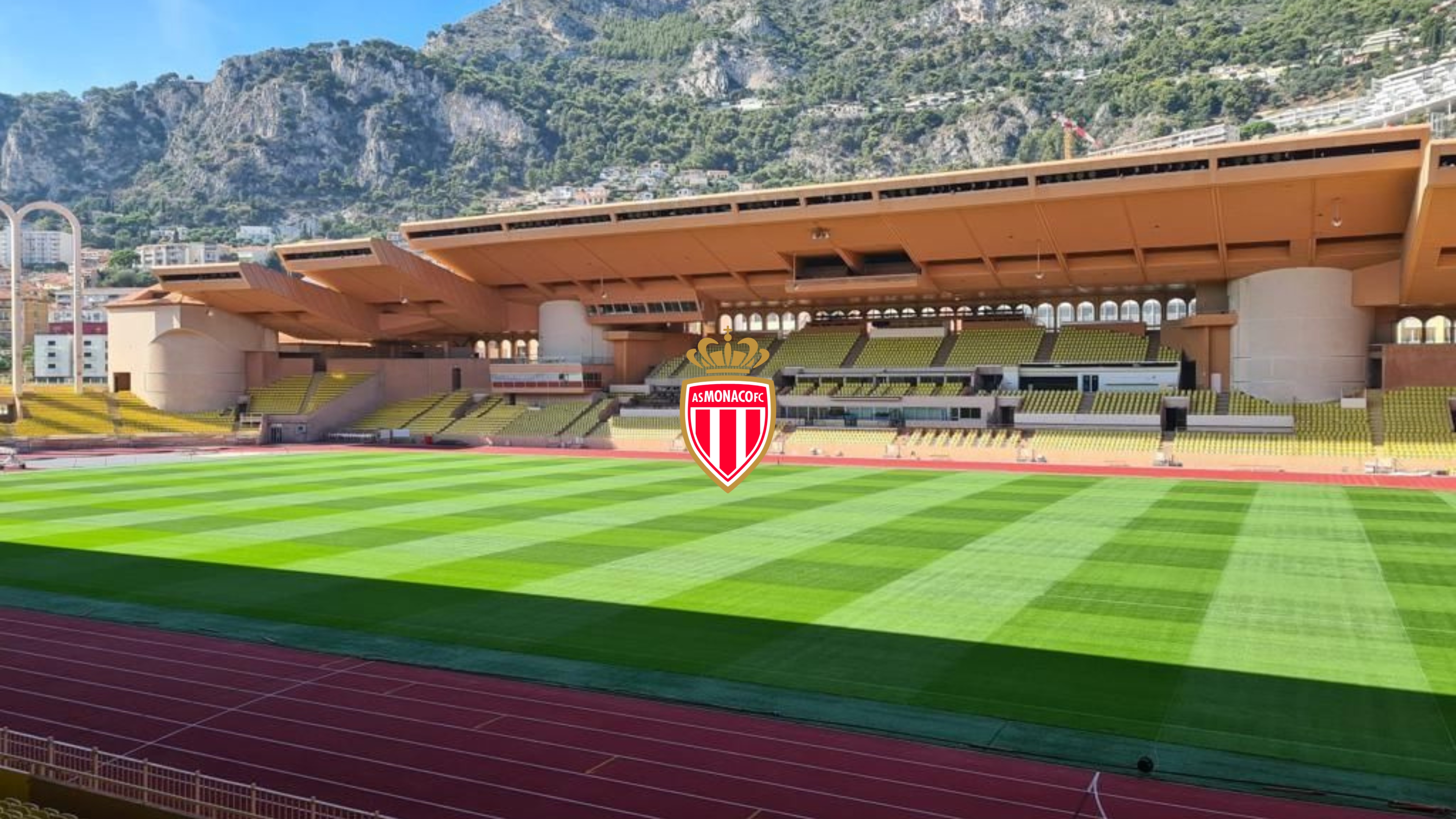
Louis II Stadium pitch in Monaco: the FLexGrass project
Discover the execution of the works on the pitch of the Louis II Stadium in Monaco
scopri il progetto
-
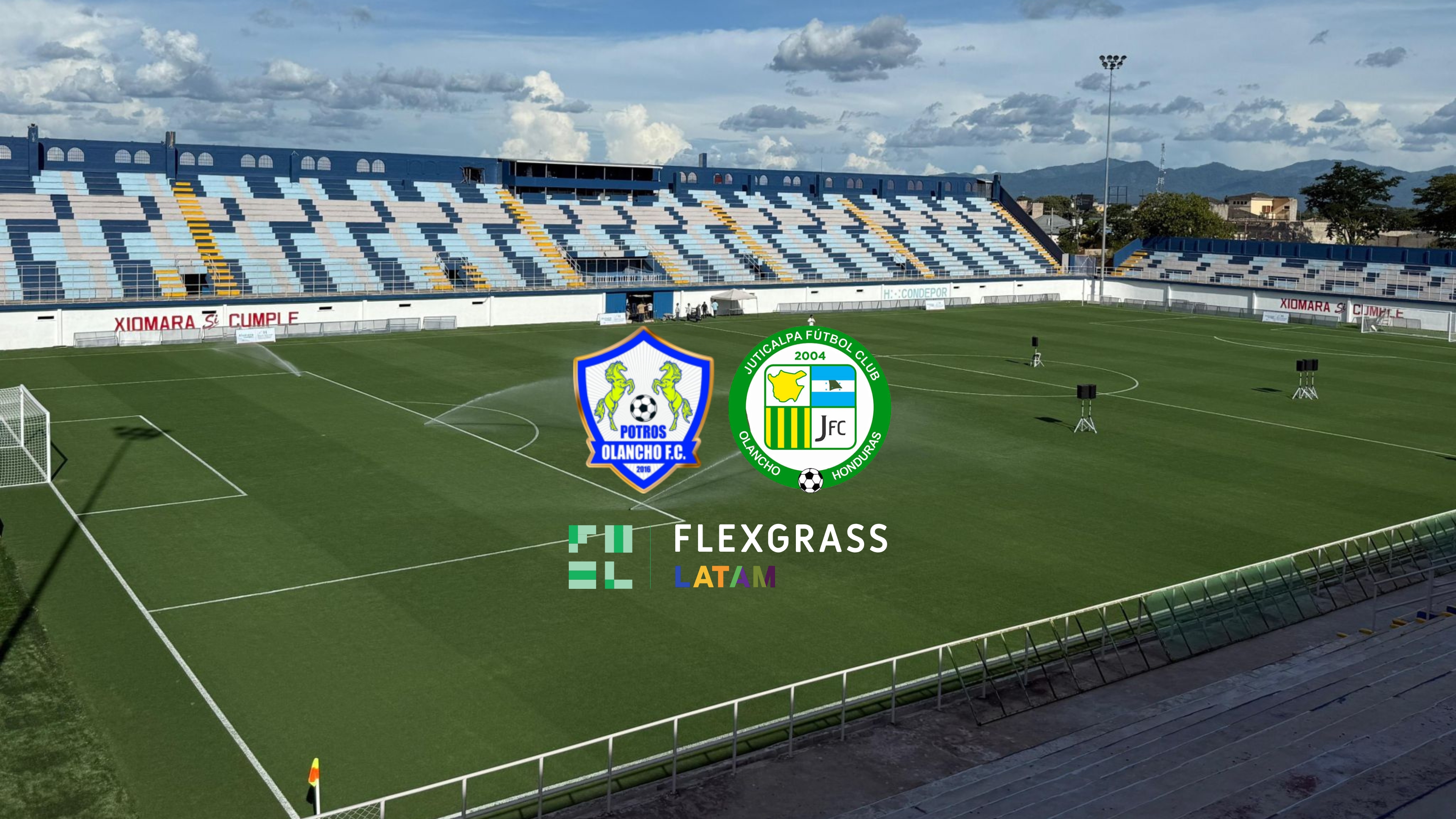
FLexGrass team in Honduras for the Juan Ramón Brevé Vargas stadium
Our hybrid turf system Horizon was selected for the Juan Ramón Brevé Vargas stadium
scopri il progetto
-
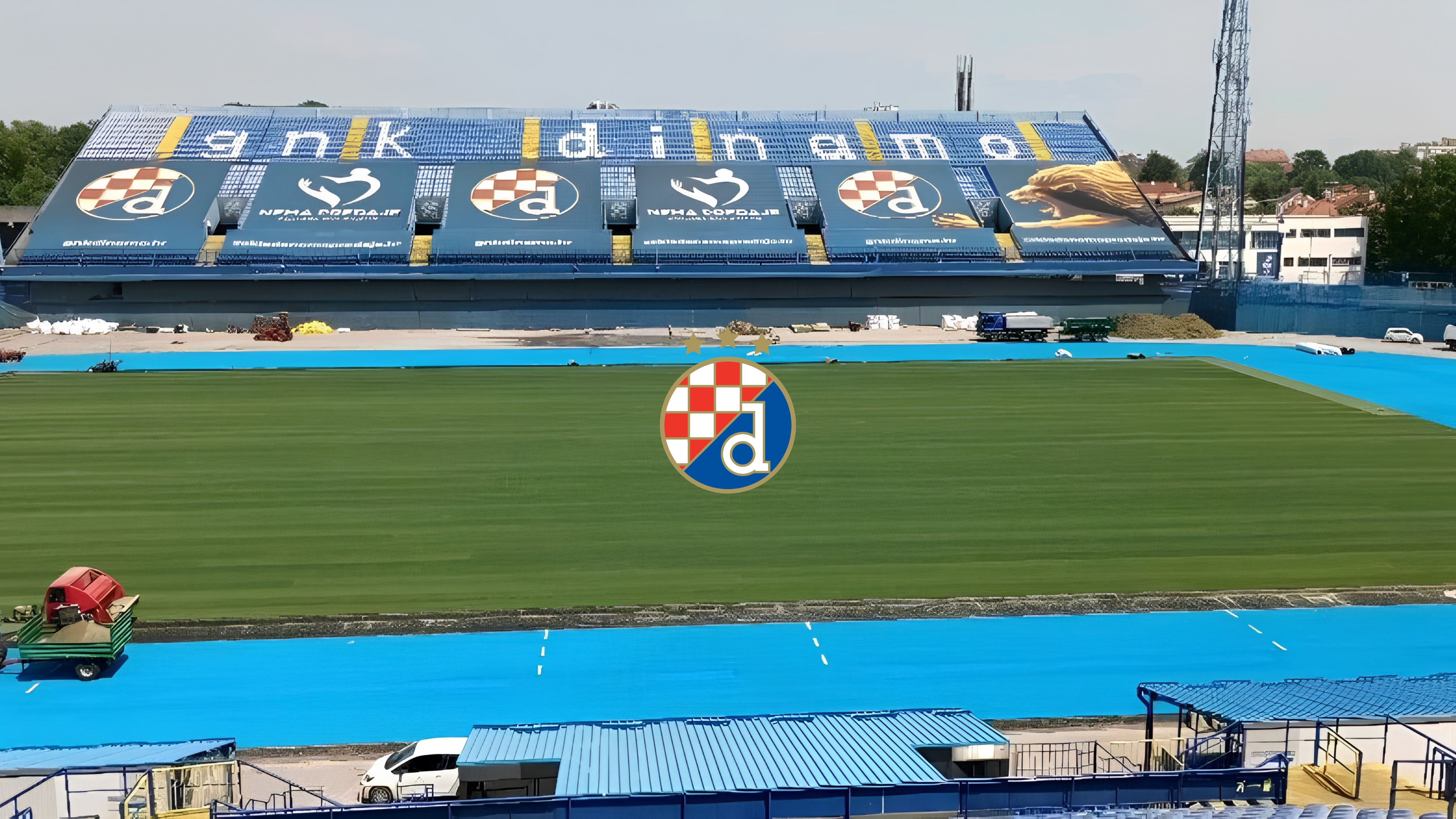
Dinamo Zagreb's stadium goes FLexGrass
In 2024 we were selected to replace the turf surface at Dinamo Zagreb's stadium
scopri il progetto
-
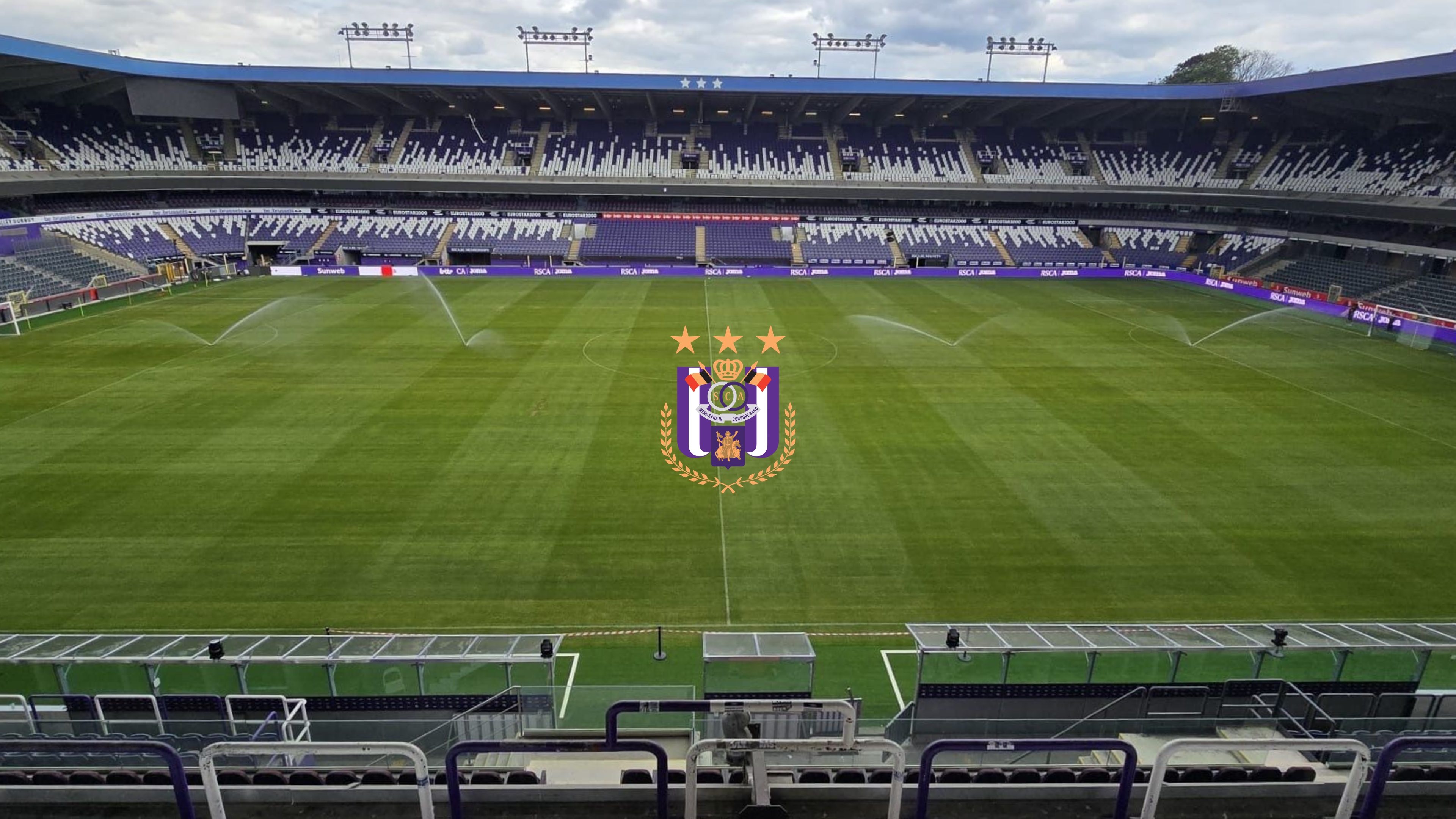
Natural turf installation for the Royal Sporting Club Anderlecht
Natural turf installation for Anderlecht: Lotto Park chooses FLexGrass natural turf sod
scopri il progetto