

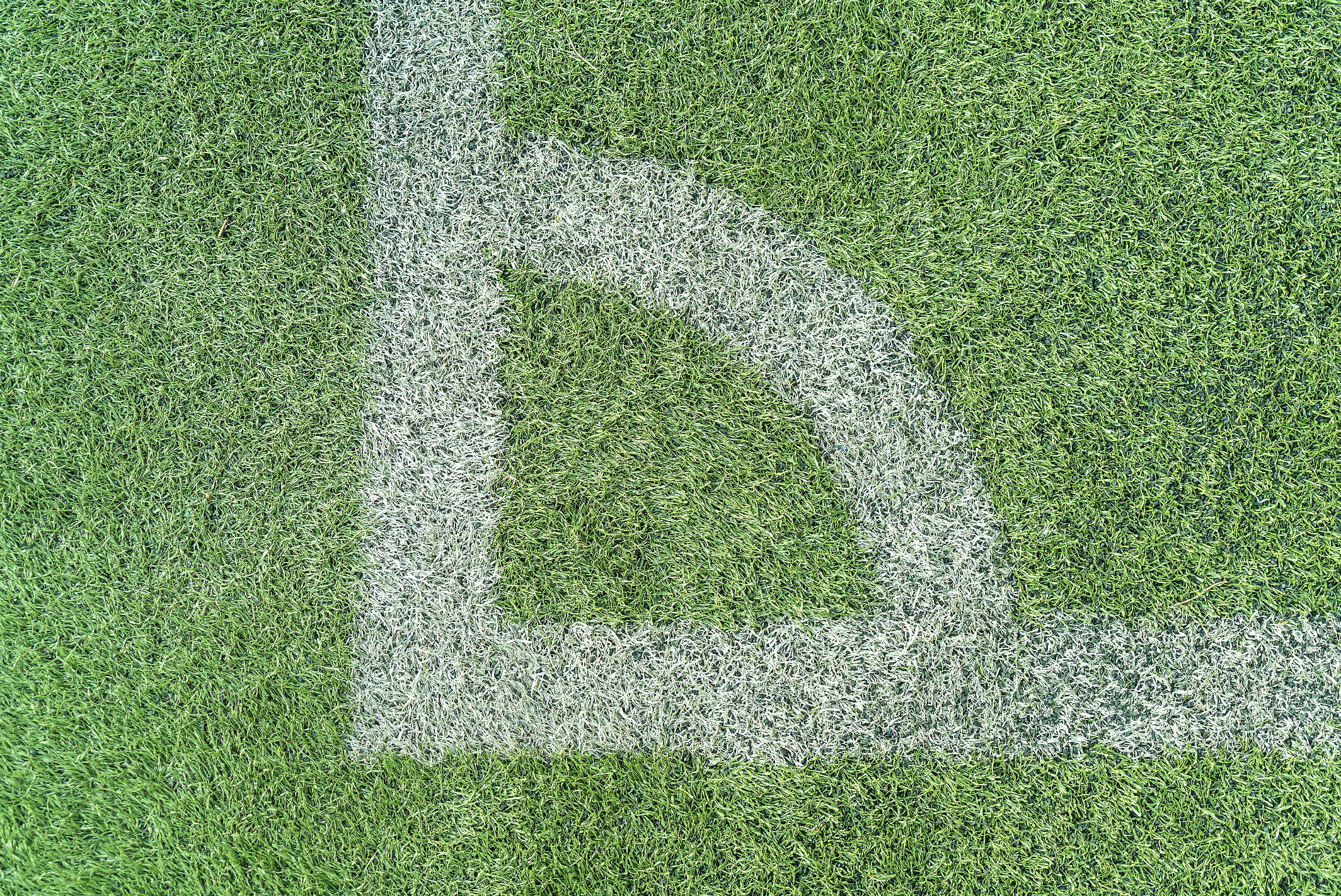
Wear on professional football pitches is inevitable, but it is not always managed in the right way.
Across a season, the playing surface is exposed to continuous stress: matches, training sessions and variable weather conditions. When these factors combine without an adequate pitch build-up, the surface begins to lose stability, uniformity and playing quality.
For a grounds team, the issue is not only the appearance of the turf canopy. It is the overall behaviour of the playing surface.
Main causes of wear
- Intensive use
In professional environments, the number of playing hours is one of the most critical factors.
Daily training and closely scheduled fixtures put the surface under pressure, especially in high-traffic areas such as the central corridor, goalmouths and warm-up zones.
When the pitch has not been designed to withstand these loads, deterioration becomes visible very quickly.
- Loss of surface levels
Over time, the surface can lose its uniformity.
Mechanical stress, combined with a base that is not sufficiently stable, causes micro-deformations that affect ball roll, footing and player safety.
Loss of levels is often a sign of structural issues below the surface, not just a turf problem.
- Drainage problems
Poor water management is one of the main causes of pitch degradation.
Standing water compromises rootzone stability, weakens the turf and accelerates surface deterioration, particularly during the most demanding periods of the season.
- Sub-base quality
The works and materials used to build the correct sub-base are decisive.
An inadequate sub-base can lead to settlement, loss of stability and greater sensitivity to wear, making even well-executed maintenance operations less effective.
Consequences for pitch availability
Wear does not only affect how the pitch looks. It affects how the pitch performs.
A worn surface reduces playing quality, increases the risk of injuries and limits pitch availability, often forcing clubs into renovation works, emergency repairs and downtime.
In professional environments, this becomes an operational issue as much as a technical one.
Technical solutions to reduce wear
- Designing the pitch system
Wear prevention begins at the design stage.
A correctly developed pitch system, integrating sub-base, drainage and surface, helps distribute loads and maintain stability over time.
- Using hybrid systems
Hybrid systems are an effective solution for improving resistance to wear.
Synthetic reinforcement helps stabilise the surface, reduce deformation and increase the pitch’s capacity to withstand intensive use.
This allows the grounds team to maintain more consistent playing conditions throughout the season.
- Management and maintenance
A planned maintenance programme is essential to preserve pitch quality.
Targeted operations, supported by agronomic expertise, allow the turf manager to manage the sward and intervene before surface issues become structural problems.
- Corrective works
When wear is advanced, intervention may be required on the structure of the pitch.
In these cases, routine maintenance is not enough and deeper works may be needed, including sub-base renovation or surface reconstruction.
A problem that starts below the surface
One of the most underestimated aspects is that visible wear is often the result of structural problems.
When a pitch loses performance, the cause is almost never the turf alone, but the whole system the turf is built on.
For this reason, the most effective solutions are not only surface treatments. They involve the complete design and management of the pitch system.
Wear on professional football pitches cannot be eliminated, but it can be managed and reduced through correct technical choices.
Design, materials, systems and long-term maintenance are decisive factors in delivering reliable and durable playing surfaces.
Request informationRealized projects.
-
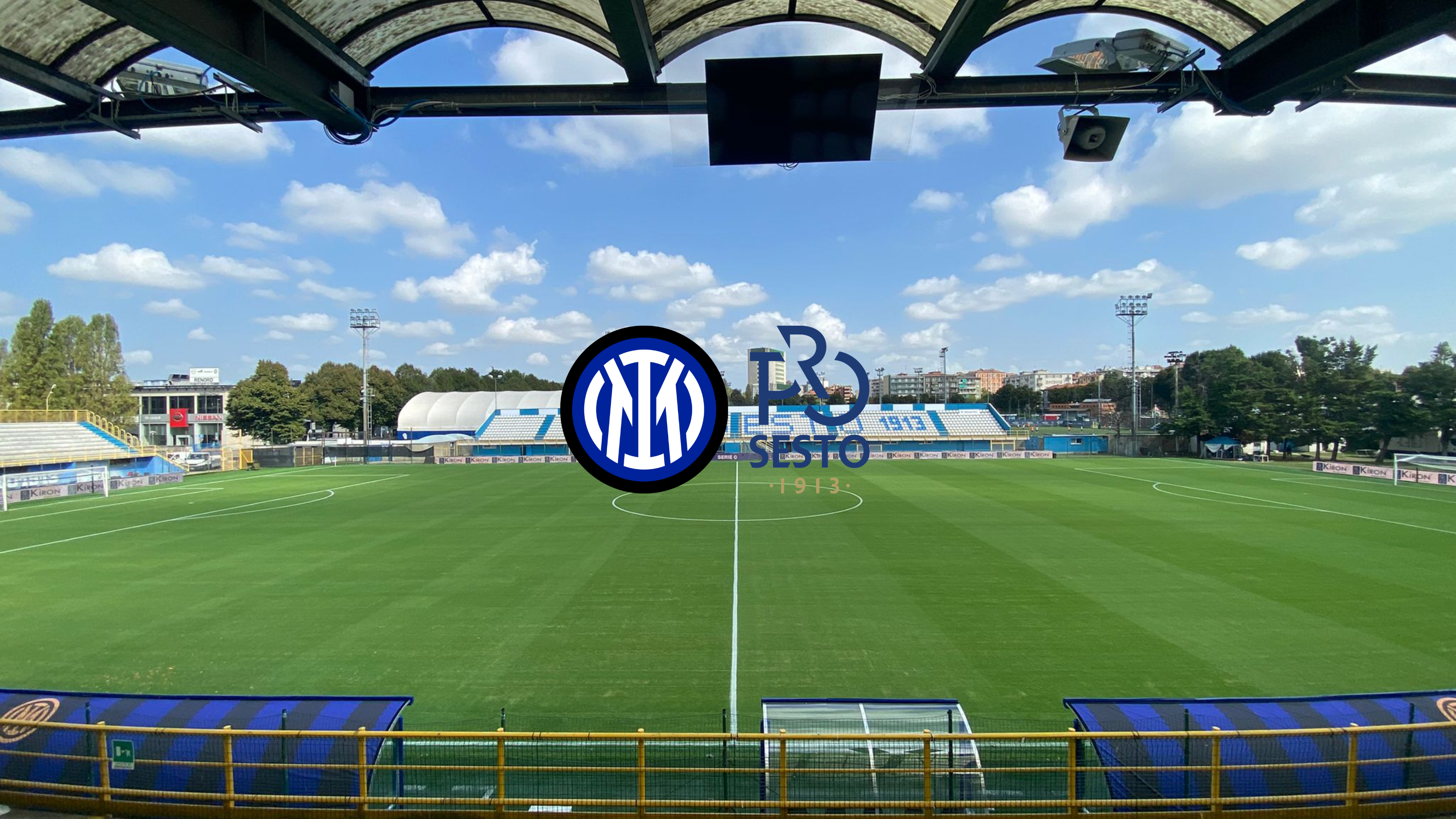
Construction of the new natural pitch at Stadio Ernesto Breda
The FLexGrass team delivered the new natural pitch at Stadio Ernesto Breda in just 2 months
scopri il progetto

-
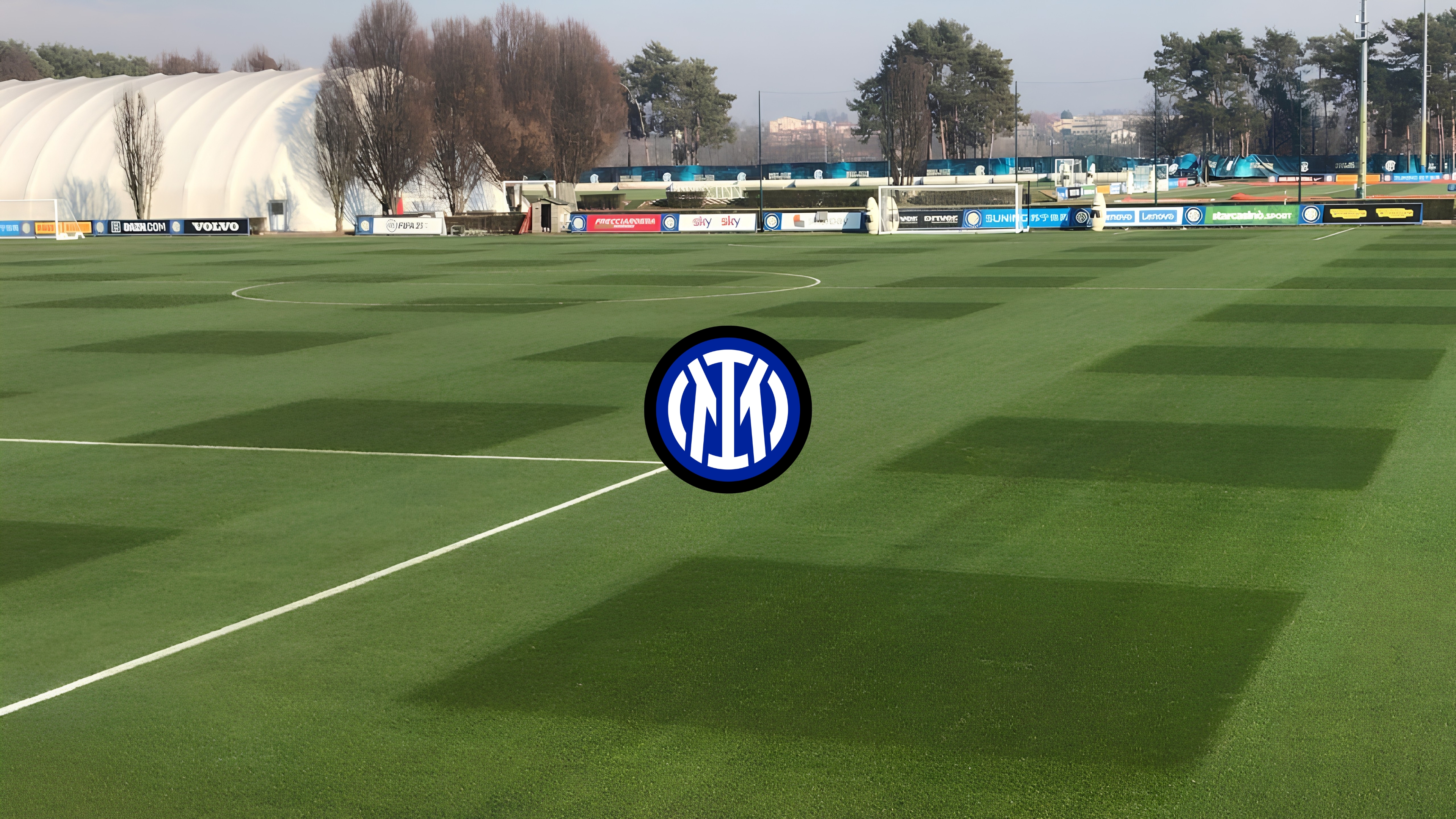
Renovation of the Pitches at the Centro Sportivo Angelo Moratti, Inter
FLexGrass carried out several pitch renovation works at the Centro Sportivo Angelo Moratti
scopri il progetto
-
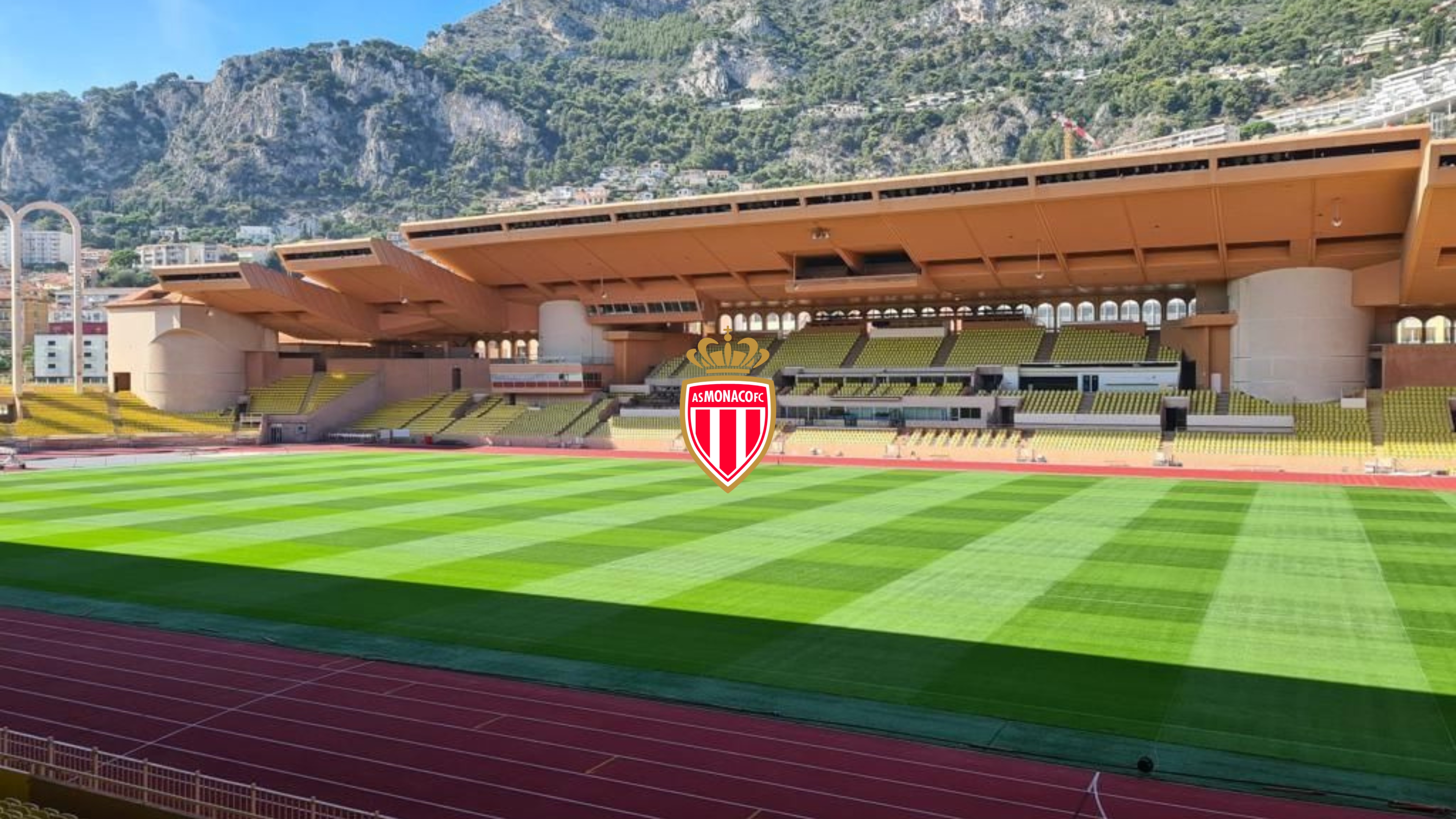
Louis II Stadium pitch in Monaco: the FLexGrass project
Discover the execution of the works on the pitch of the Louis II Stadium in Monaco
scopri il progetto
-
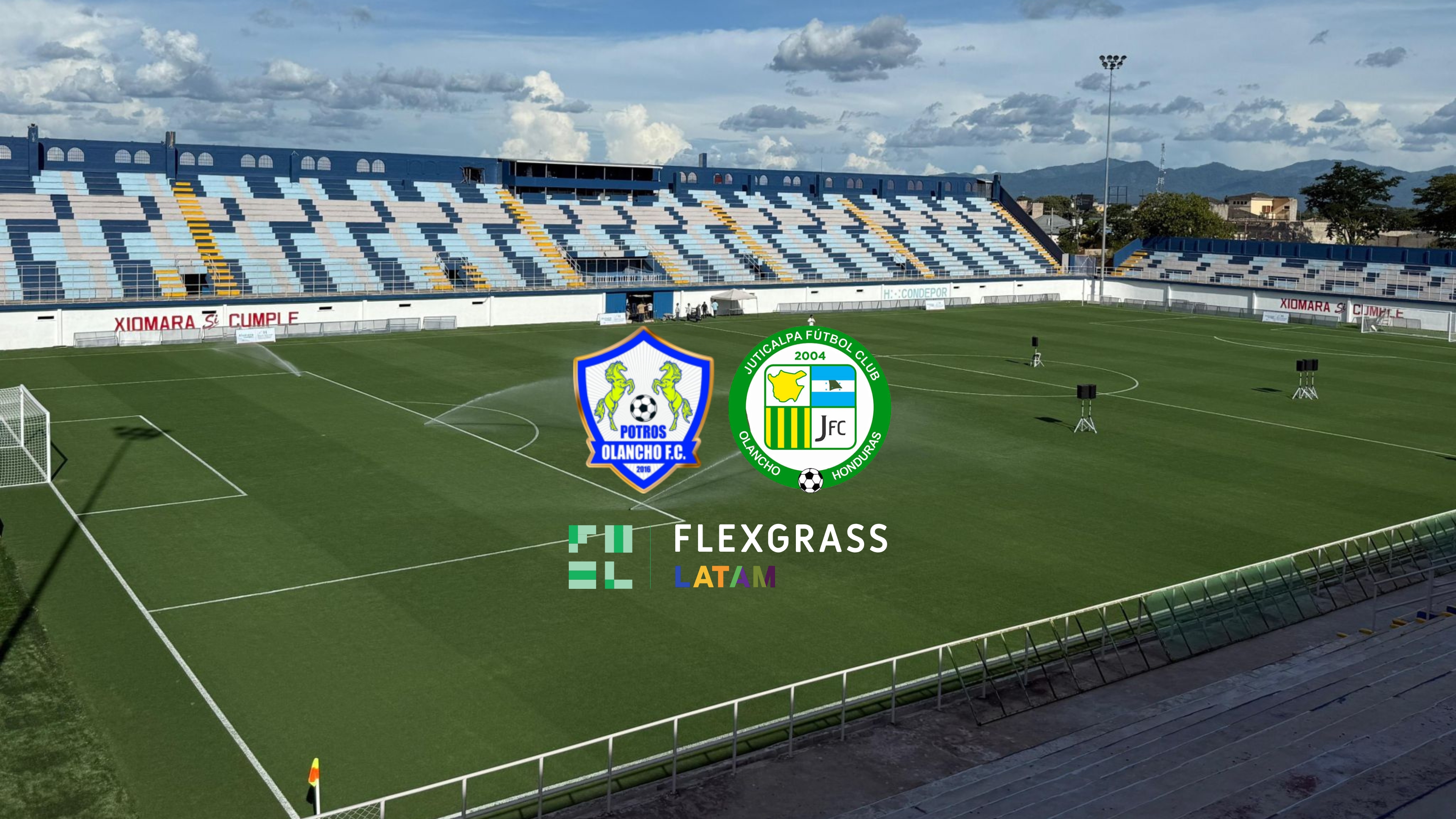
FLexGrass team in Honduras for the Juan Ramón Brevé Vargas stadium
Our hybrid turf system Horizon was selected for the Juan Ramón Brevé Vargas stadium
scopri il progetto
-
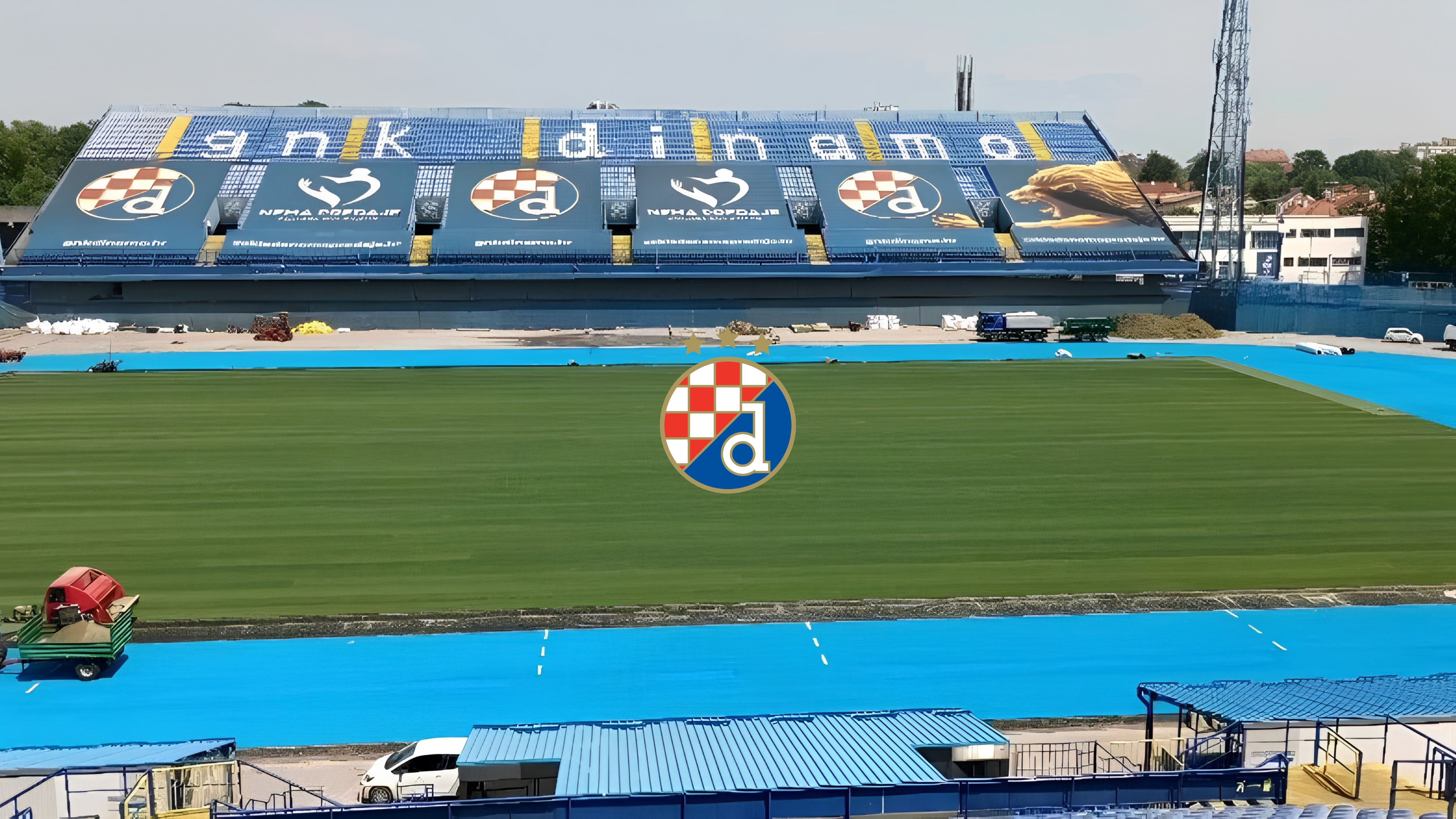
Dinamo Zagreb's stadium goes FLexGrass
In 2024 we were selected to replace the turf surface at Dinamo Zagreb's stadium
scopri il progetto
-
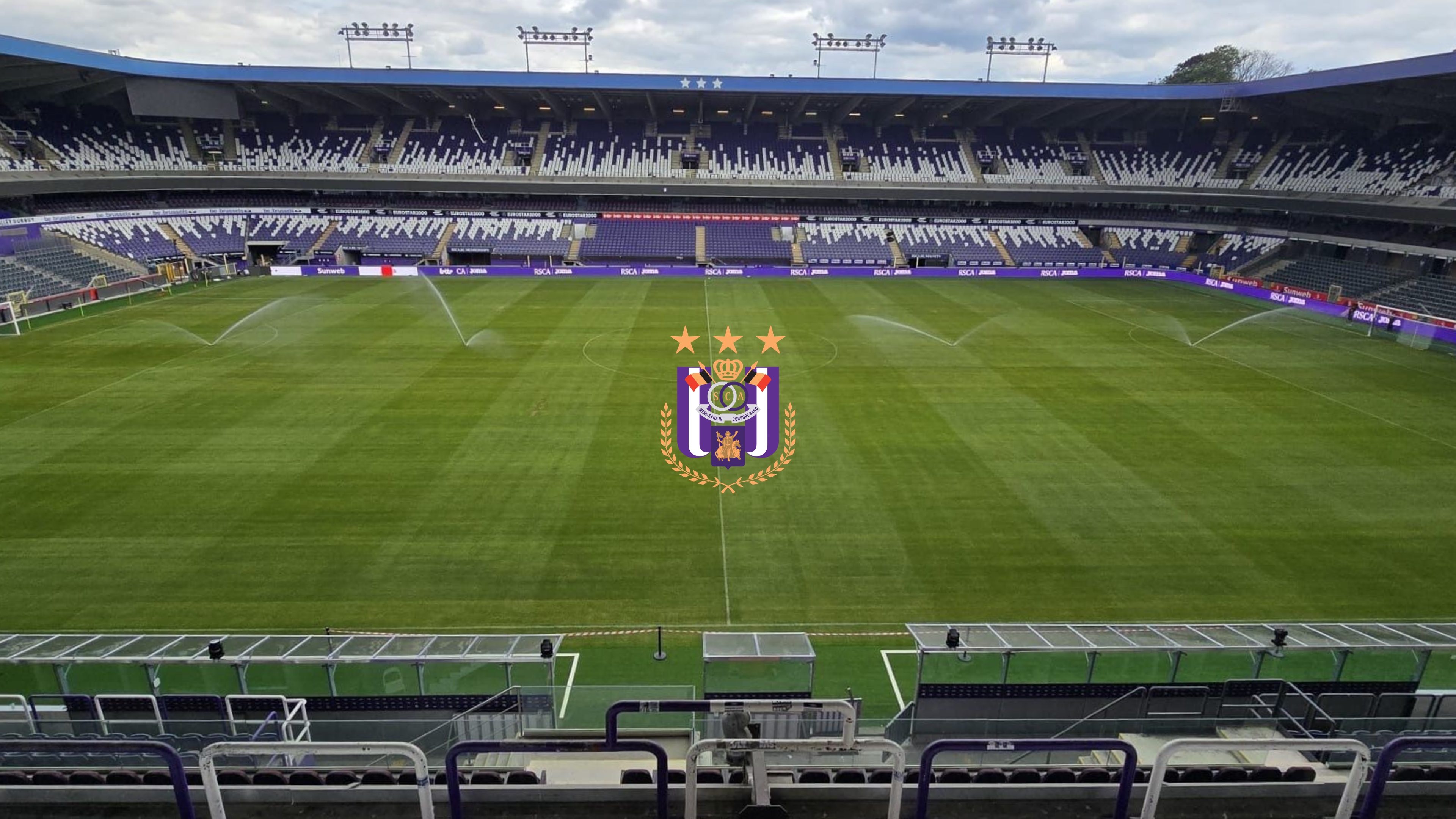
Natural turf installation for the Royal Sporting Club Anderlecht
Natural turf installation for Anderlecht: Lotto Park chooses FLexGrass natural turf sod
scopri il progetto