

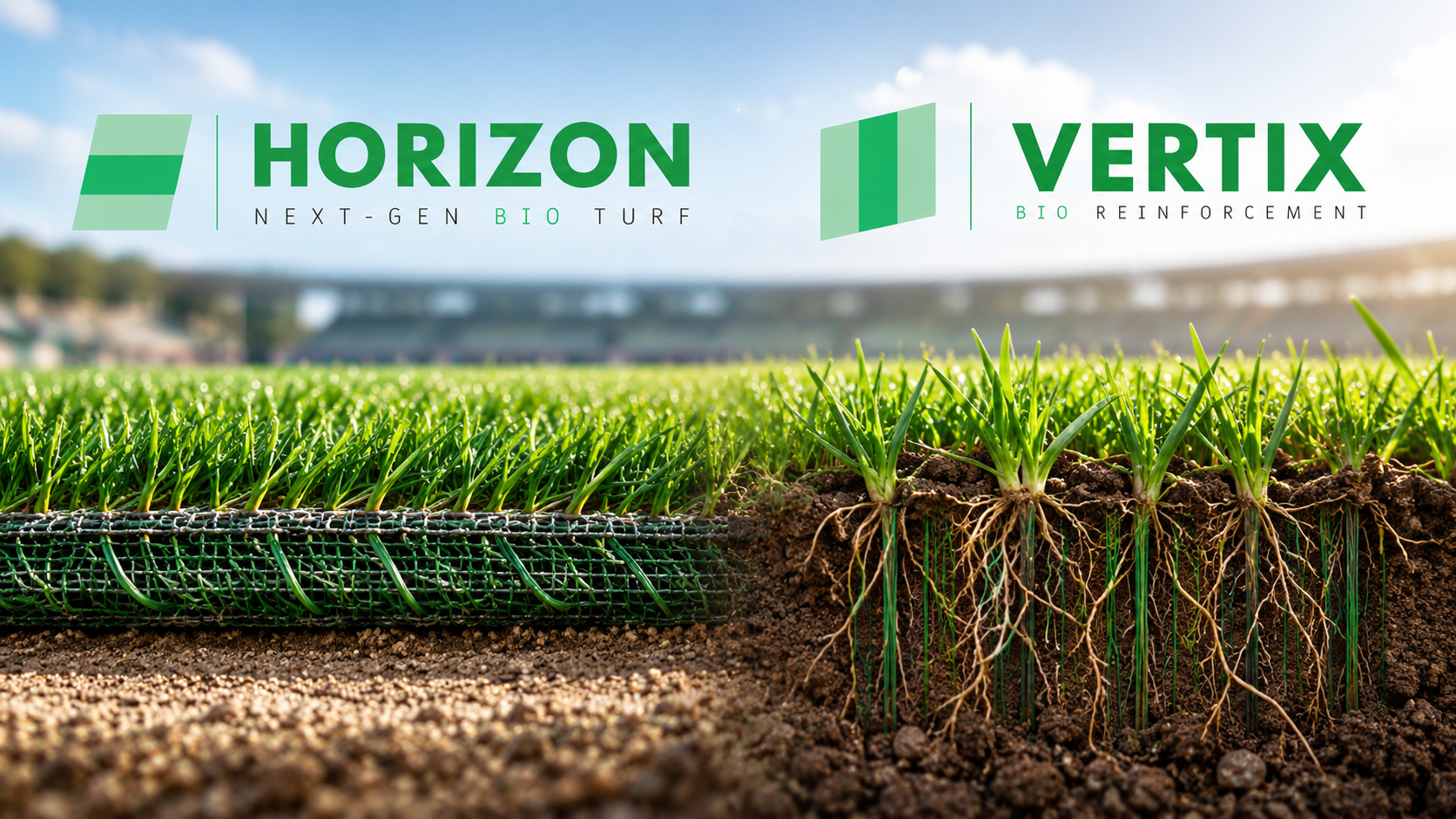
The evolution of hybrid systems also depends on materials. At TurfTech 2026, FLexGrass presented Horizon Next-Gen Bio Turf and Vertix Bio Reinforcement, two applications of BioGrass biopolymer yarn for reinforcing natural grass sports pitches.
In recent years, the development of hybrid grass football pitches has focused mainly on turf reinforcement technologies, installation methods, and the ability of surfaces to meet the demands of professional football.
Today, however, innovation also extends to a fundamental, often overlooked component: the fibre used to reinforce natural grass.
This is where FLexGrass’s new proposal begins, presented at TurfTech 2026: introducing a biopolymer yarn into the Horizon and Vertix hybrid systems while leaving their respective operating principles unchanged.
BioGrass: the biopolymer yarn for hybrid systems
The novelty introduced by FLexGrass does not concern the operating principle of the Horizon and Vertix systems, but the material used to make the reinforcement.
BioGrass is a biopolymer-based yarn developed for sports applications and integrated into the company’s two hybrid technologies.
The yarn consists of four flat filaments combined into a single twisted element.
The main nominal specifications of the new yarn are:
- 4 filaments per pack;
- 2,700 dtex per single filament;
- 10,800 dtex for the four-filament pack;
- yarn width of 0.95 mm;
- Z twist, nominal value 50.
The specifications carry a ±10% tolerance and refer to the material before installation.
Further spinning trials on a single filament recorded a breaking strength of 32.8 N and an elongation at break of 42.3%, with a tenacity of 0.16 N/tex.
Bio-based and biodegradable materials: what are the differences?
When discussing innovation in sports surface materials, it is important to distinguish between two concepts often used interchangeably: bio-based and biodegradable.
A bio-based material is made wholly or partly from renewable biological raw materials. The term therefore describes the origin of the raw material, not necessarily its end-of-life behaviour.
A biodegradable material, by contrast, can be converted by the action of microorganisms into substances such as carbon dioxide, water, and biomass, under specific environmental conditions.
This means that a material of biological origin is not automatically biodegradable, and that some fossil-based polymers can exhibit biodegradable properties.
In the case of BioGrass, the biopolymer yarn undergoes natural biodegradation over time, with a resulting change in the material’s characteristics.
For sports applications, this distinction is particularly important: the material must be engineered not only for its initial characteristics, but also for how it evolves over the pitch’s service life.
The future of hybrid pitches also lies in materials
Horizon Next-Gen Bio Turf and Vertix Bio Reinforcement represent a new development path for FLexGrass.
The horizontal and vertical reinforcement technologies remain, but the door opens to studying materials different from those traditionally used in the industry.
To learn more about the Horizon and Vertix systems or to assess a hybrid solution for your sports facility, contact the FLexGrass technical team.
Request informationRealized projects.
-
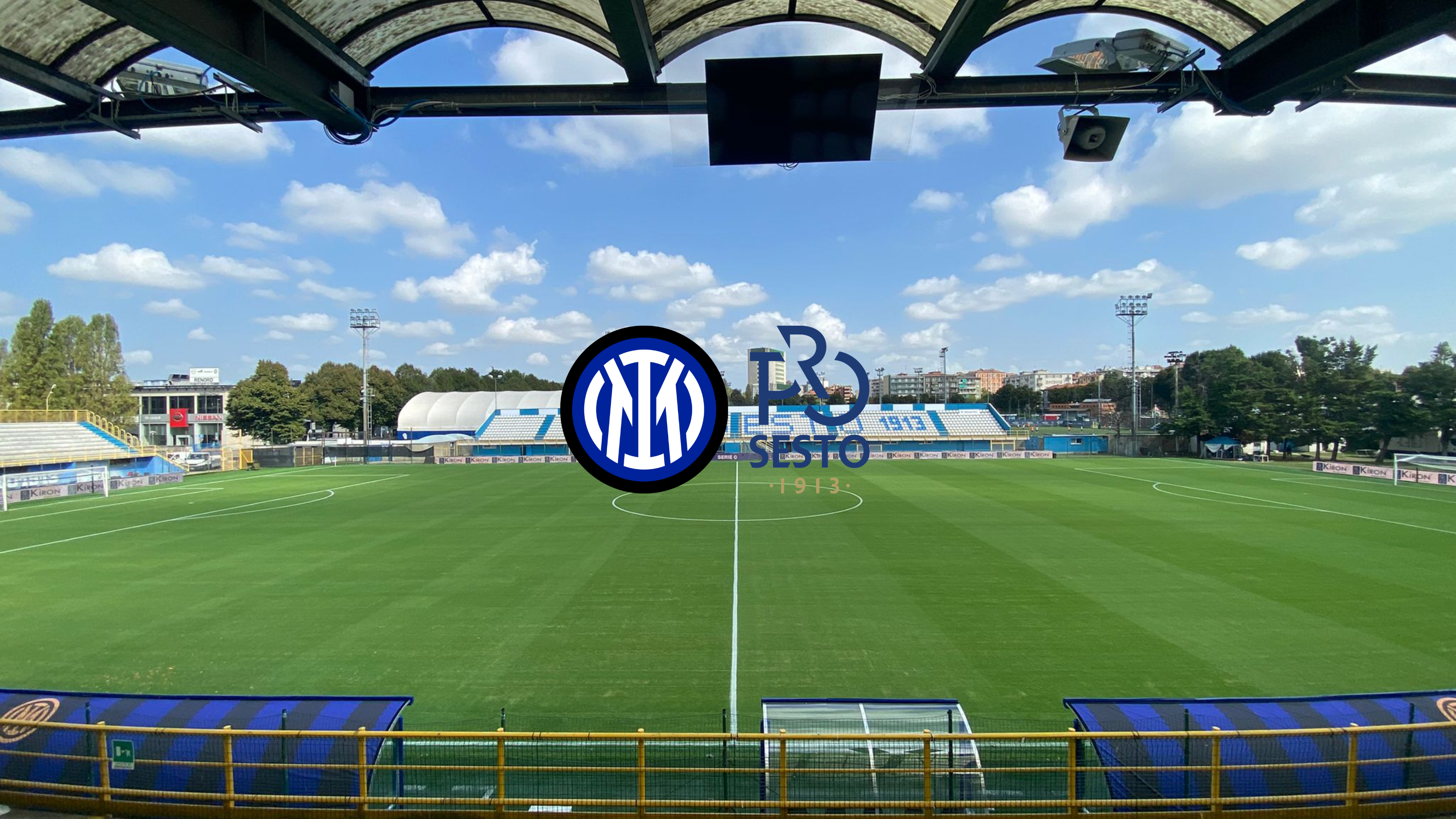
Construction of the new natural pitch at Stadio Ernesto Breda
The FLexGrass team delivered the new natural pitch at Stadio Ernesto Breda in just 2 months
scopri il progetto

-
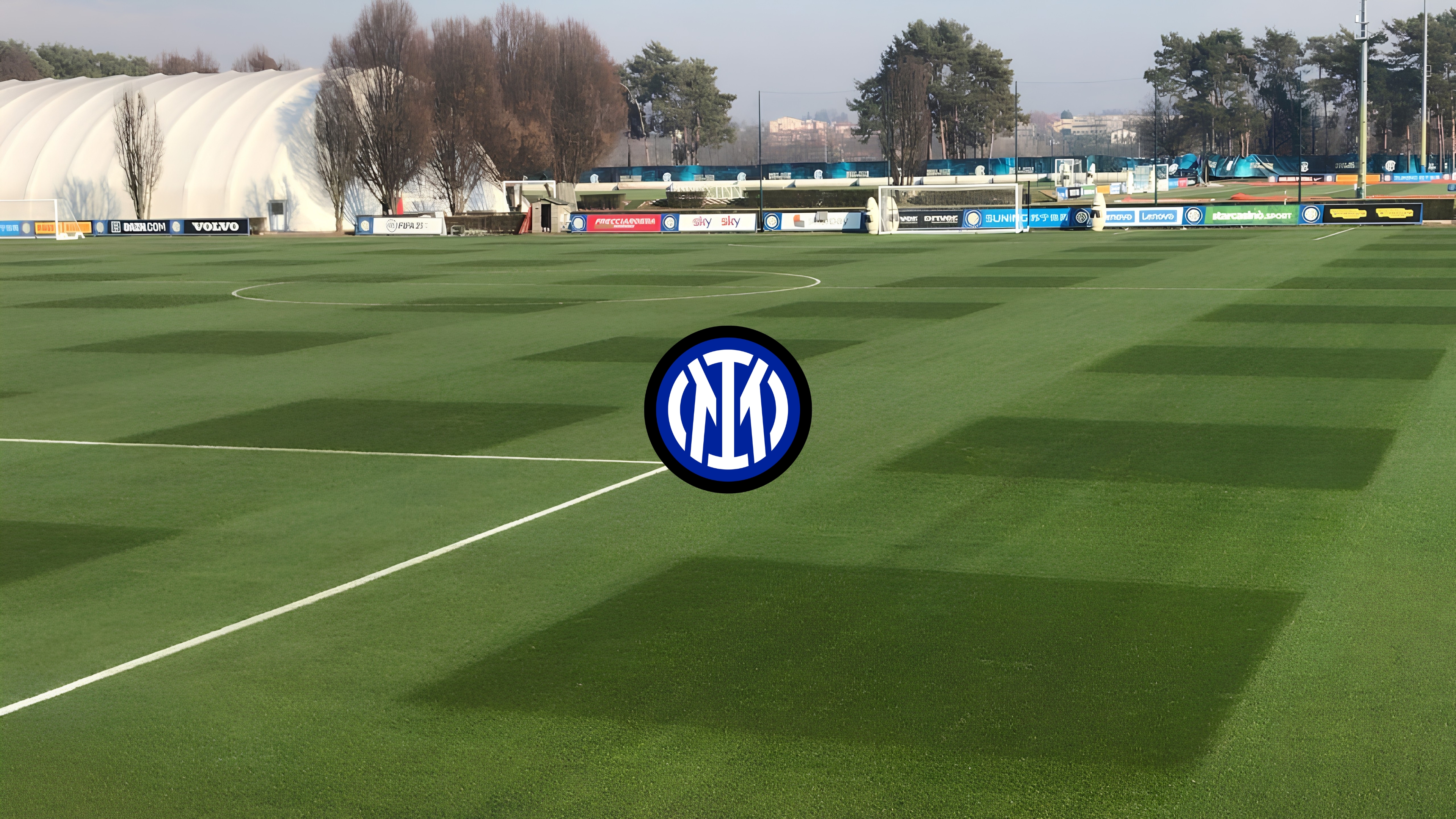
Renovation of the Pitches at the Centro Sportivo Angelo Moratti, Inter
FLexGrass carried out several pitch renovation works at the Centro Sportivo Angelo Moratti
scopri il progetto
-
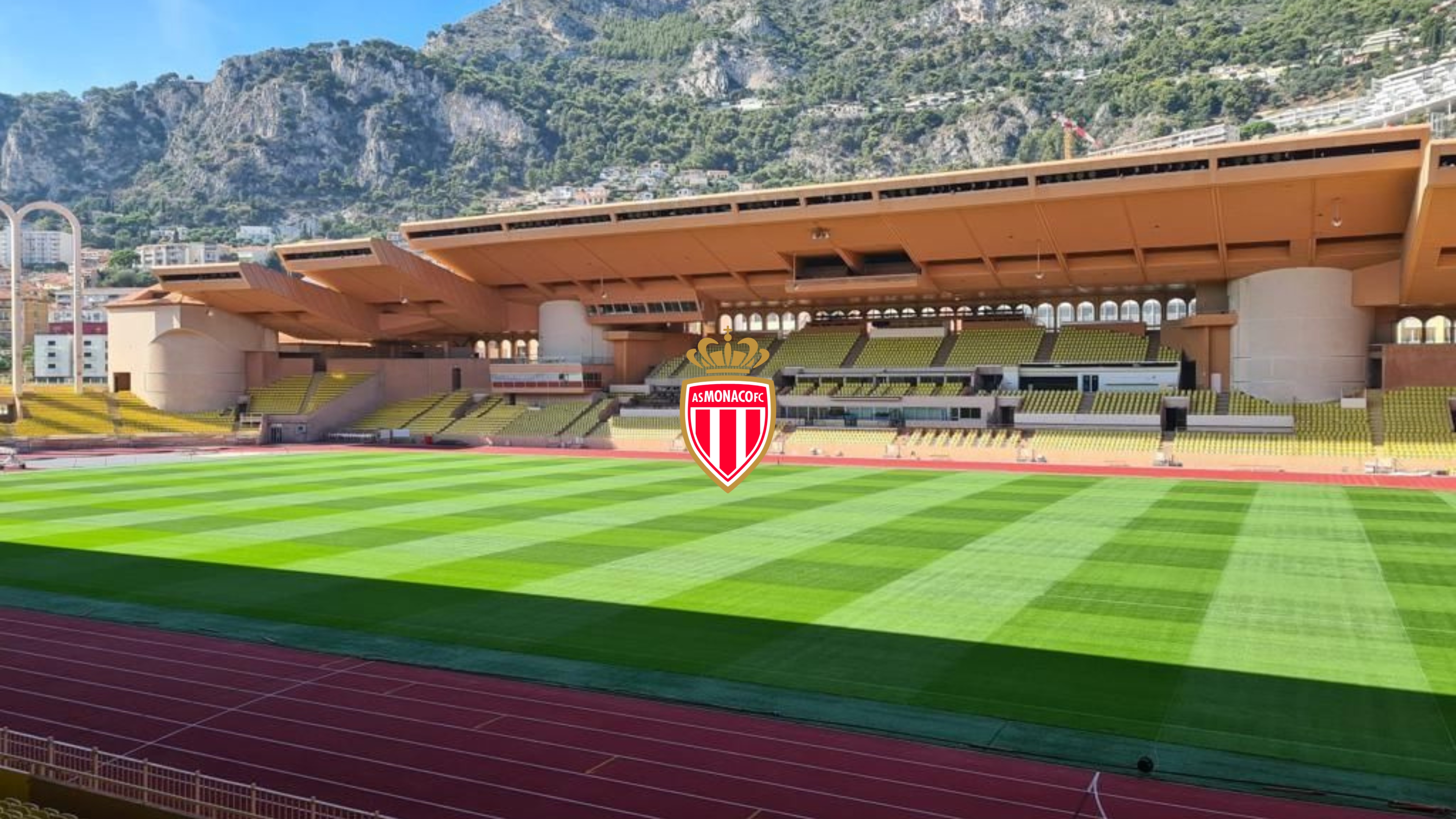
Louis II Stadium pitch in Monaco: the FLexGrass project
Discover the execution of the works on the pitch of the Louis II Stadium in Monaco
scopri il progetto
-
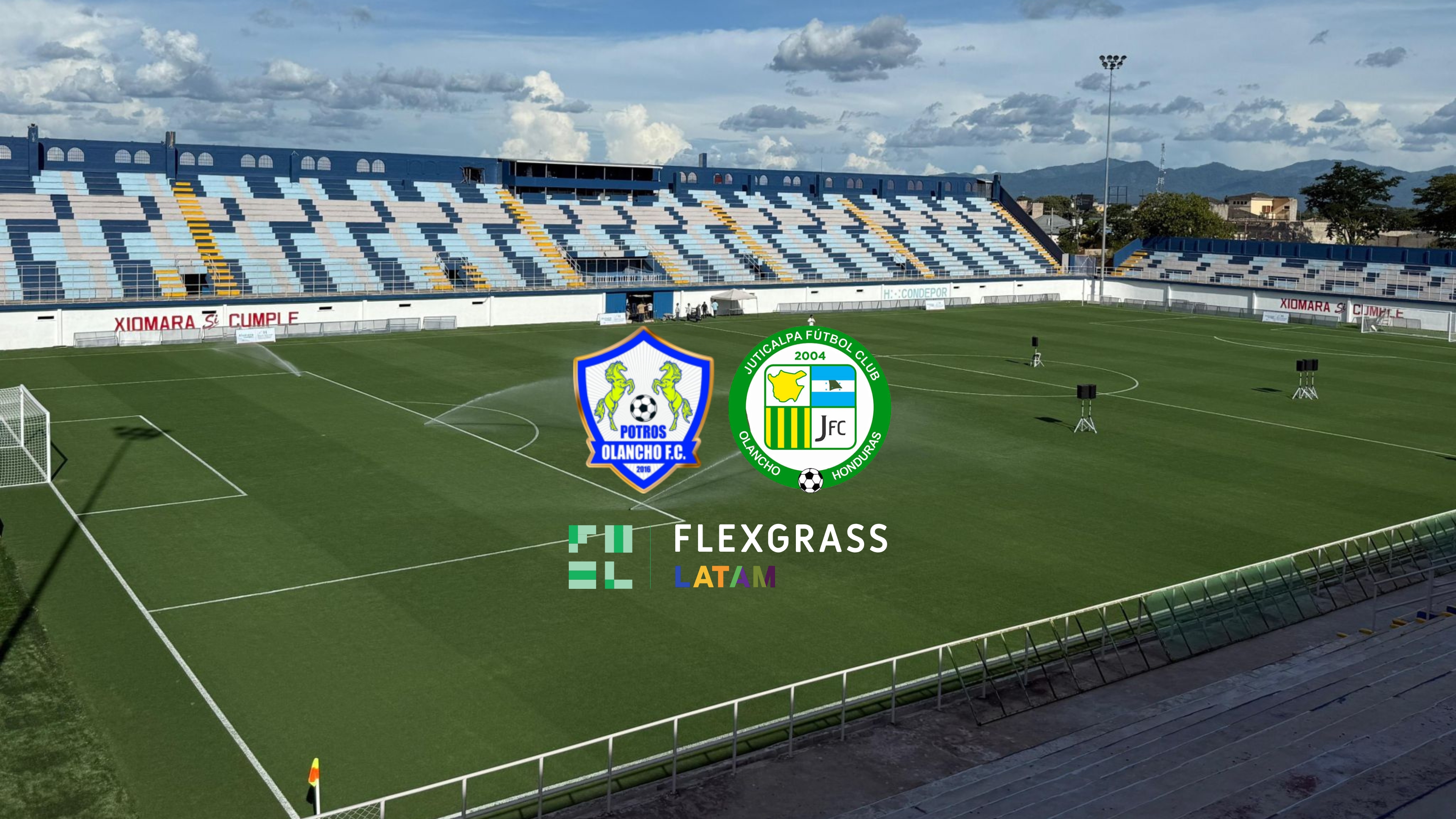
FLexGrass team in Honduras for the Juan Ramón Brevé Vargas stadium
Our hybrid turf system Horizon was selected for the Juan Ramón Brevé Vargas stadium
scopri il progetto
-
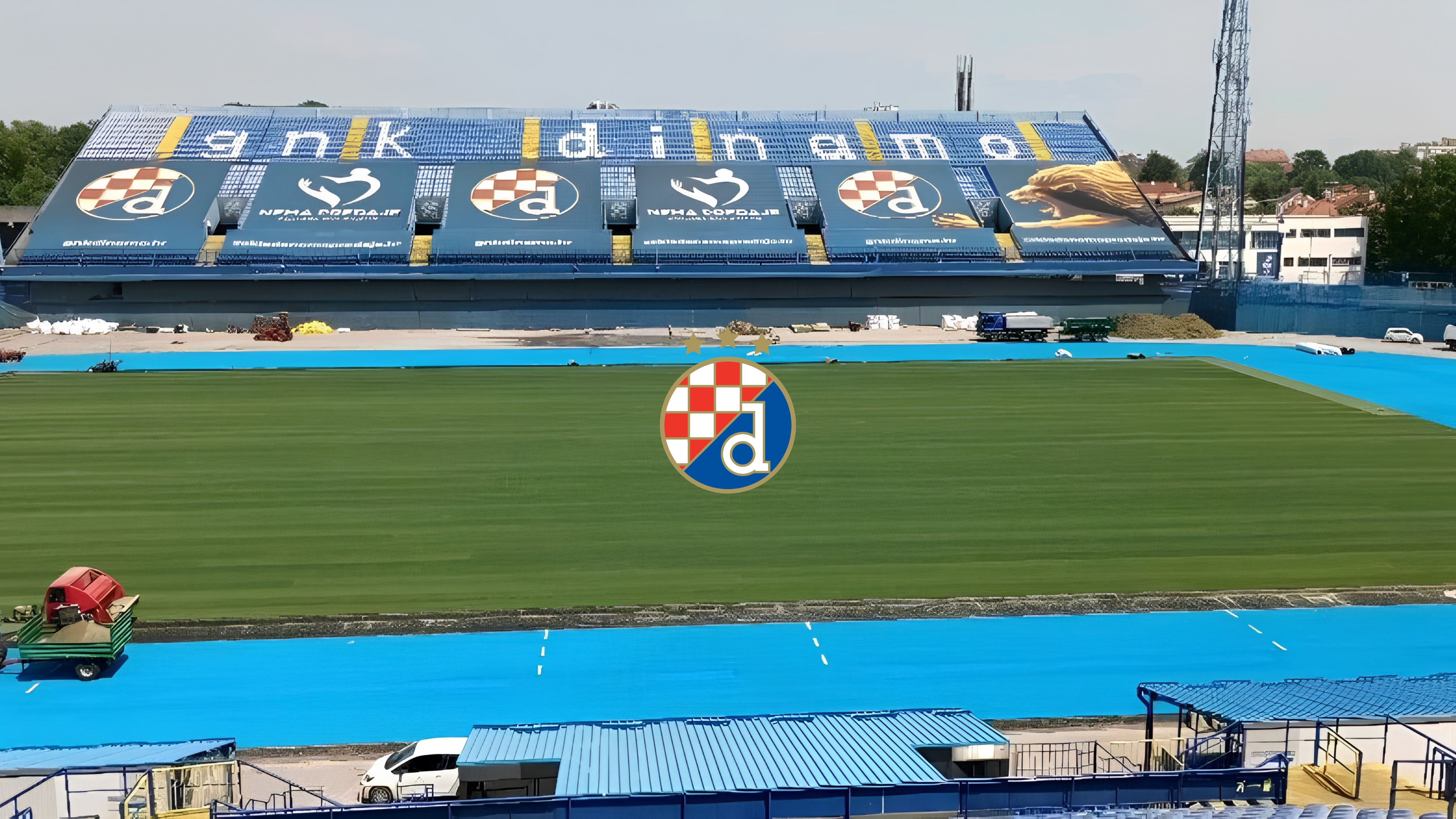
Dinamo Zagreb's stadium goes FLexGrass
In 2024 we were selected to replace the turf surface at Dinamo Zagreb's stadium
scopri il progetto
-
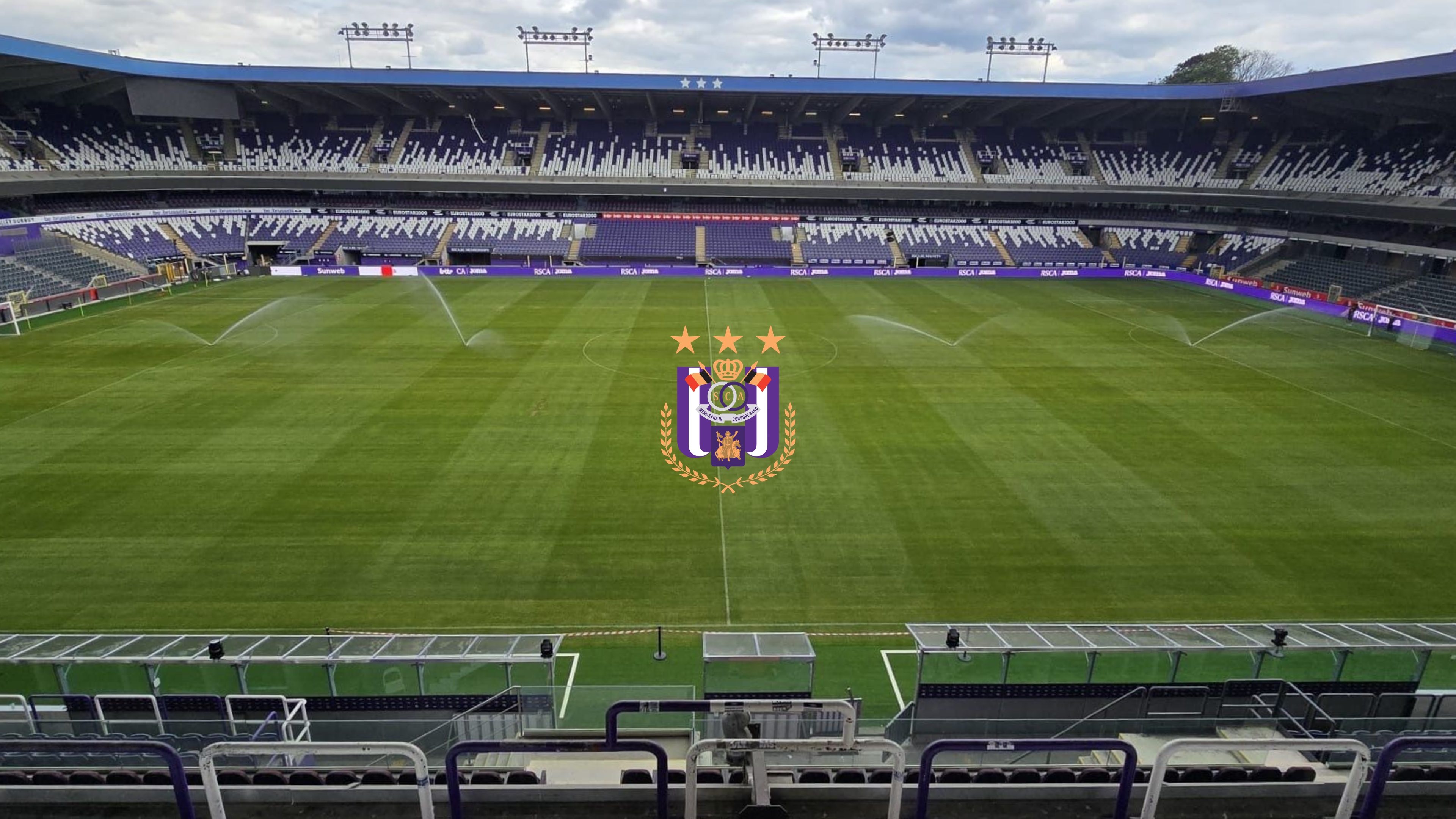
Natural turf installation for the Royal Sporting Club Anderlecht
Natural turf installation for Anderlecht: Lotto Park chooses FLexGrass natural turf sod
scopri il progetto