

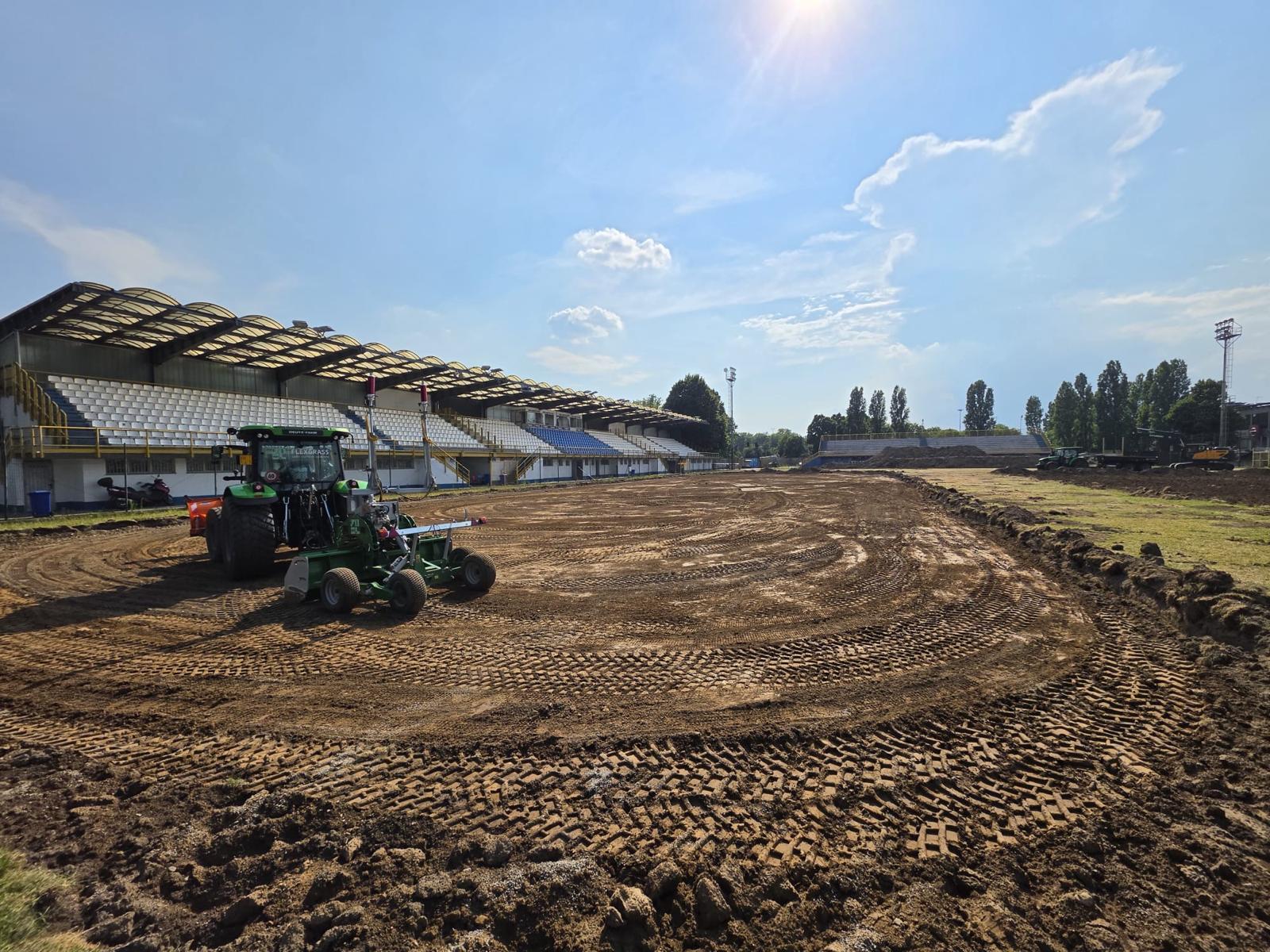
Building a football pitch is a bit like being a pastry chef: it's all about working in layers.
Have you ever wondered what lies beneath the turf of a professional football pitch? To achieve high standards of quality, durability and performance, it is essential to ensure correct pitch layering, preparing the sub-base to receive the turf surface.
Here are the various "layers" that make up a football pitch:
- Compacted sub-base: the structural foundation of the pitch
- First drainage layer: gravel (typically 10/15 cm). This layer allows water from the upper layers to flow quickly away towards the drainage lines
- Second drainage layer: sand (typically 20 cm). Finer grain size than the gravel, combining drainage capacity with greater surface uniformity
- Third layer: topsoil (typically 10 cm). Its function is not only drainage-related, it must also supply air, water, nutrients and space for root development. For this reason, the topsoil is produced using a mix engineered according to the agronomic characteristics required by the project.
Each layer must be carefully levelled before moving on to the next. In addition, during the construction of each layer, provisions are made for the irrigation system and the heating system.
For natural or hybrid turf pitches, the FIGC (Italian Football Federation) requires a pitch heating system, or an equivalent anti-frost solution, to keep the pitch playable throughout the season (mandatory from Bologna northwards).
The layering of a professional football pitch must therefore ensure a balance between all these elements. A high-quality turf surface, without a correctly designed and built stratigraphy, is unlikely to guarantee the required performance over time.
Interested in building a next-generation football pitch?
Don't hesitate to get in touch! Our team of experts will provide you with tailor-made consultancy.
Realized projects.
-
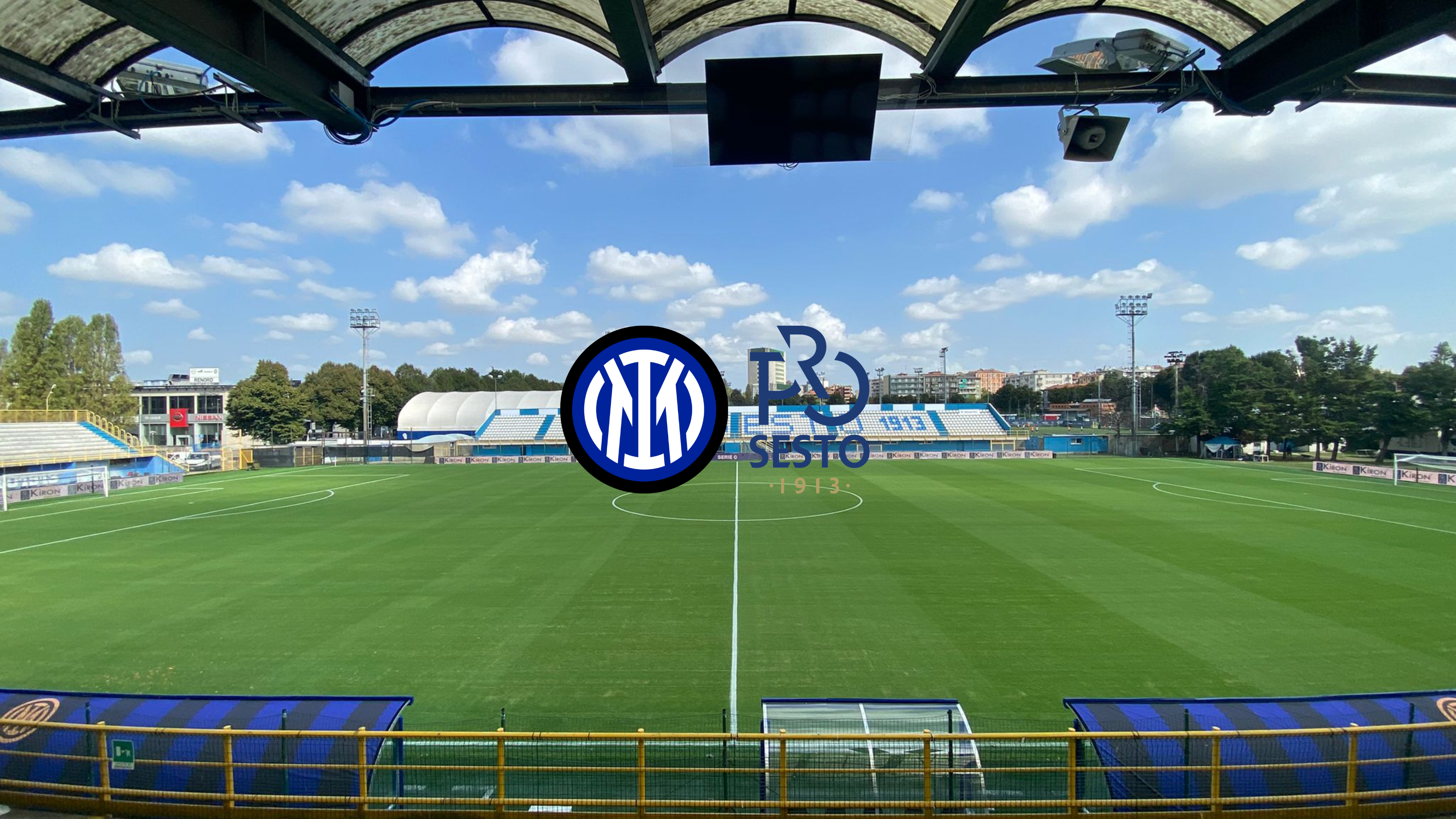
Construction of the new natural pitch at Stadio Ernesto Breda
The FLexGrass team delivered the new natural pitch at Stadio Ernesto Breda in just 2 months
scopri il progetto

-
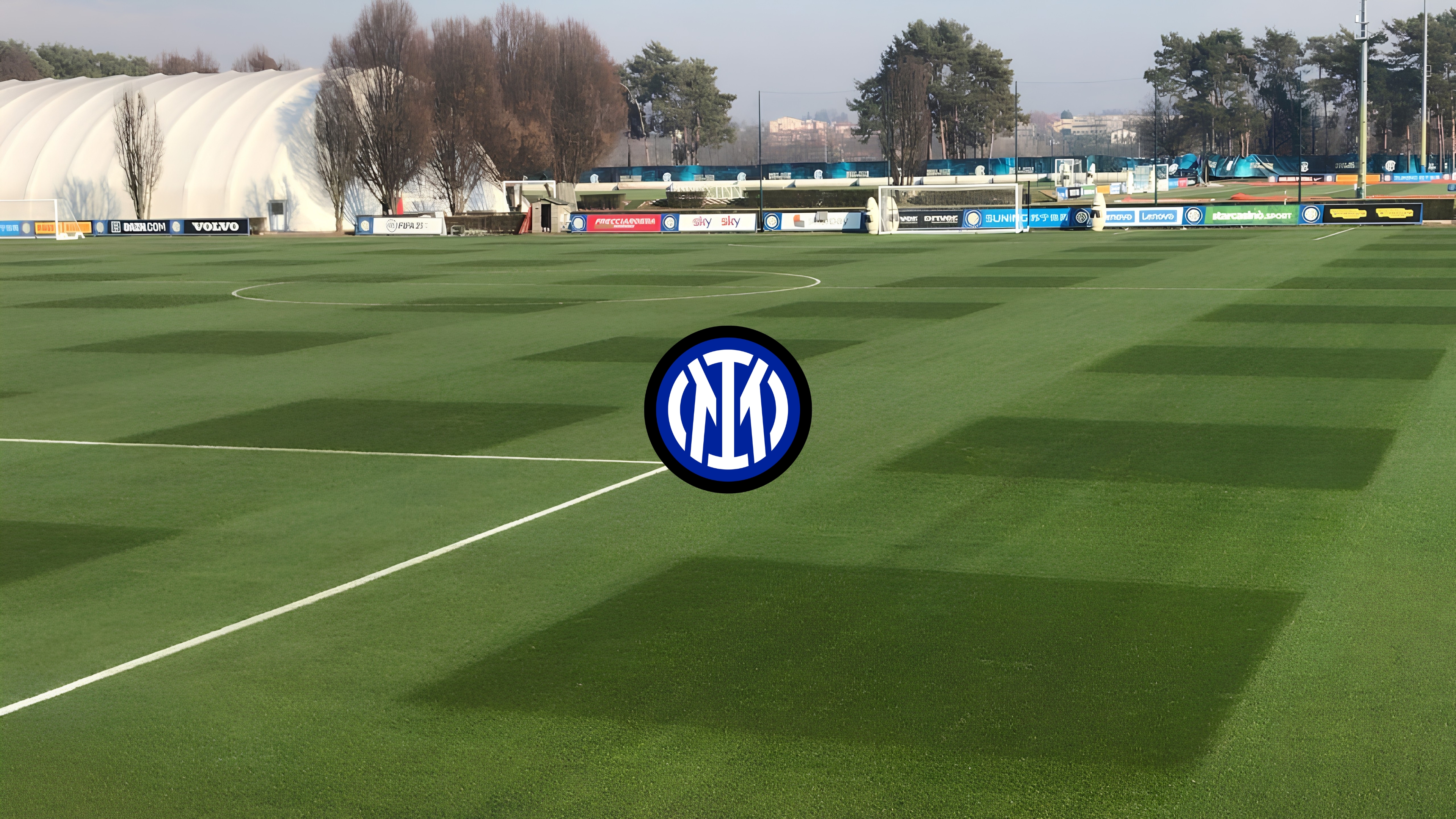
Renovation of the Pitches at the Centro Sportivo Angelo Moratti, Inter
FLexGrass carried out several pitch renovation works at the Centro Sportivo Angelo Moratti
scopri il progetto
-
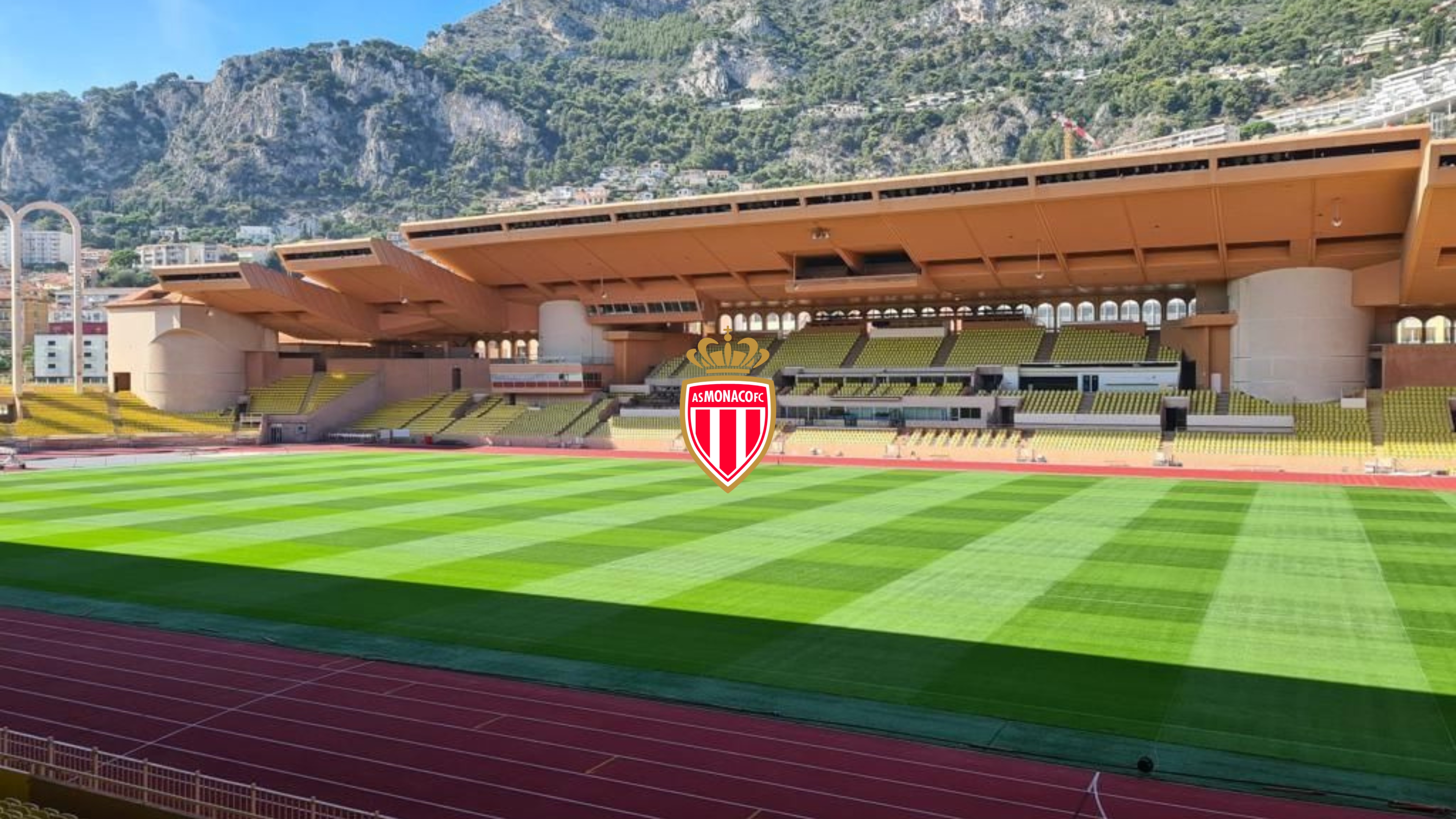
Louis II Stadium pitch in Monaco: the FLexGrass project
Discover the execution of the works on the pitch of the Louis II Stadium in Monaco
scopri il progetto
-
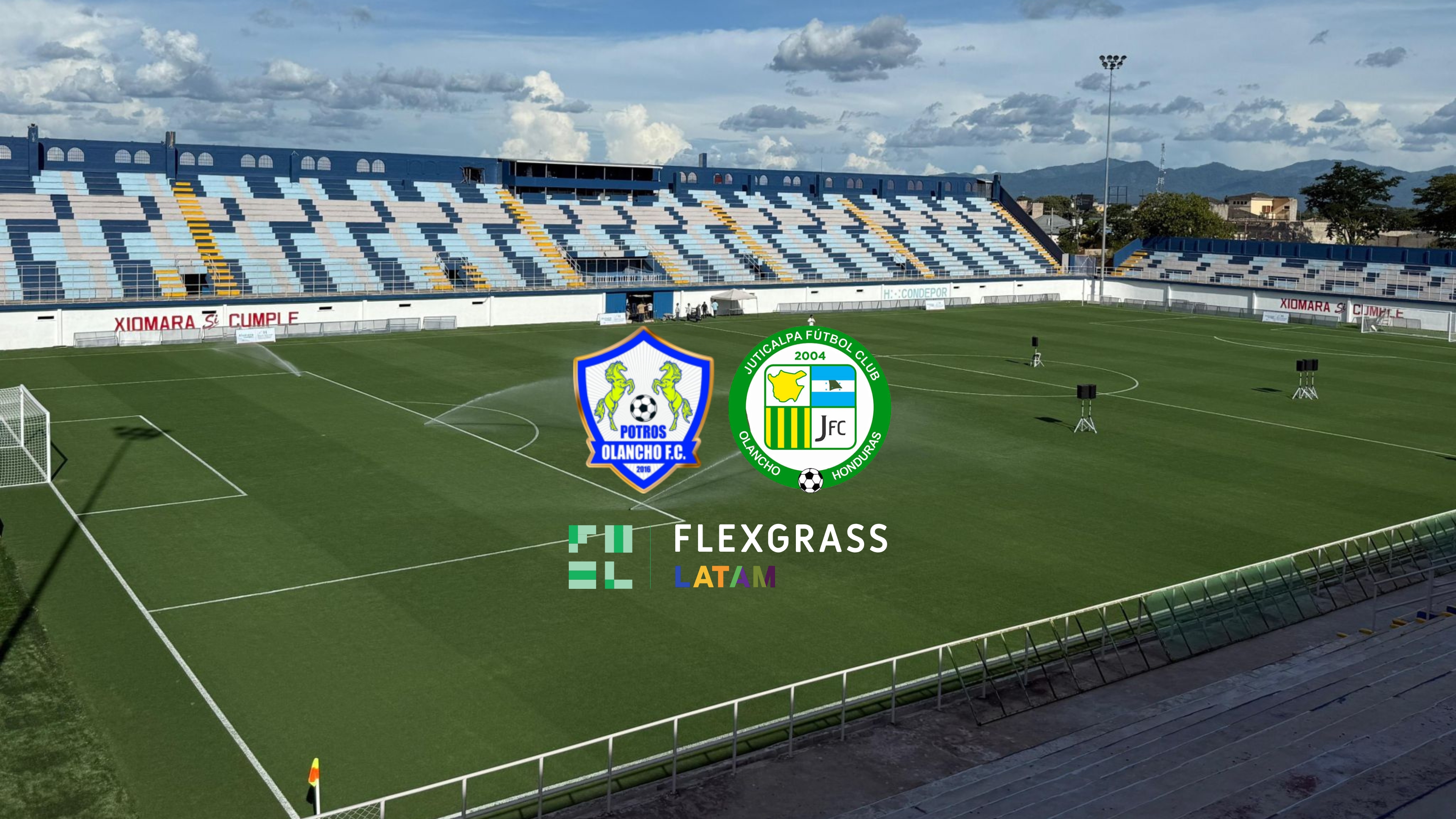
FLexGrass team in Honduras for the Juan Ramón Brevé Vargas stadium
Our hybrid turf system Horizon was selected for the Juan Ramón Brevé Vargas stadium
scopri il progetto
-
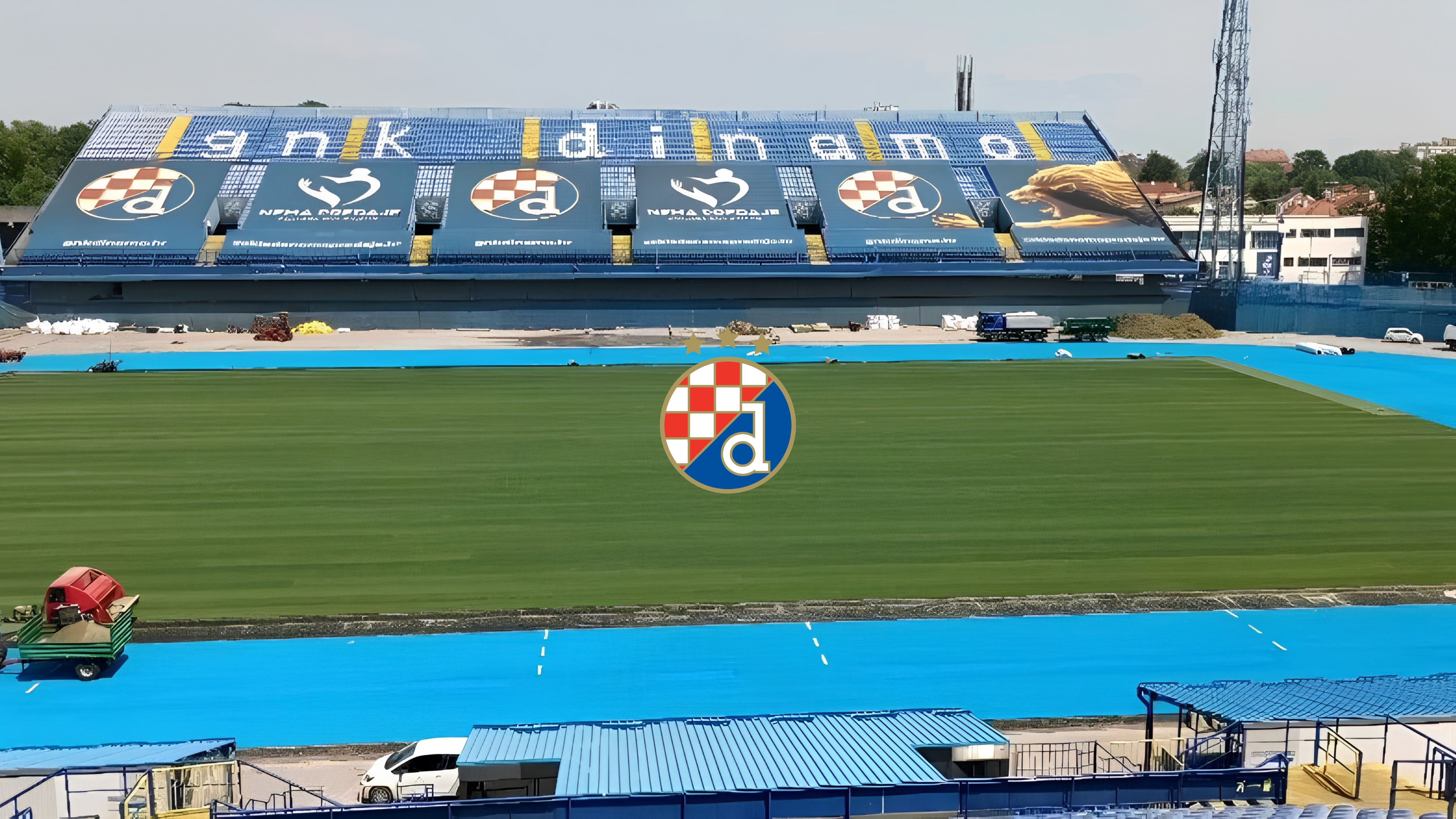
Dinamo Zagreb's stadium goes FLexGrass
In 2024 we were selected to replace the turf surface at Dinamo Zagreb's stadium
scopri il progetto
-
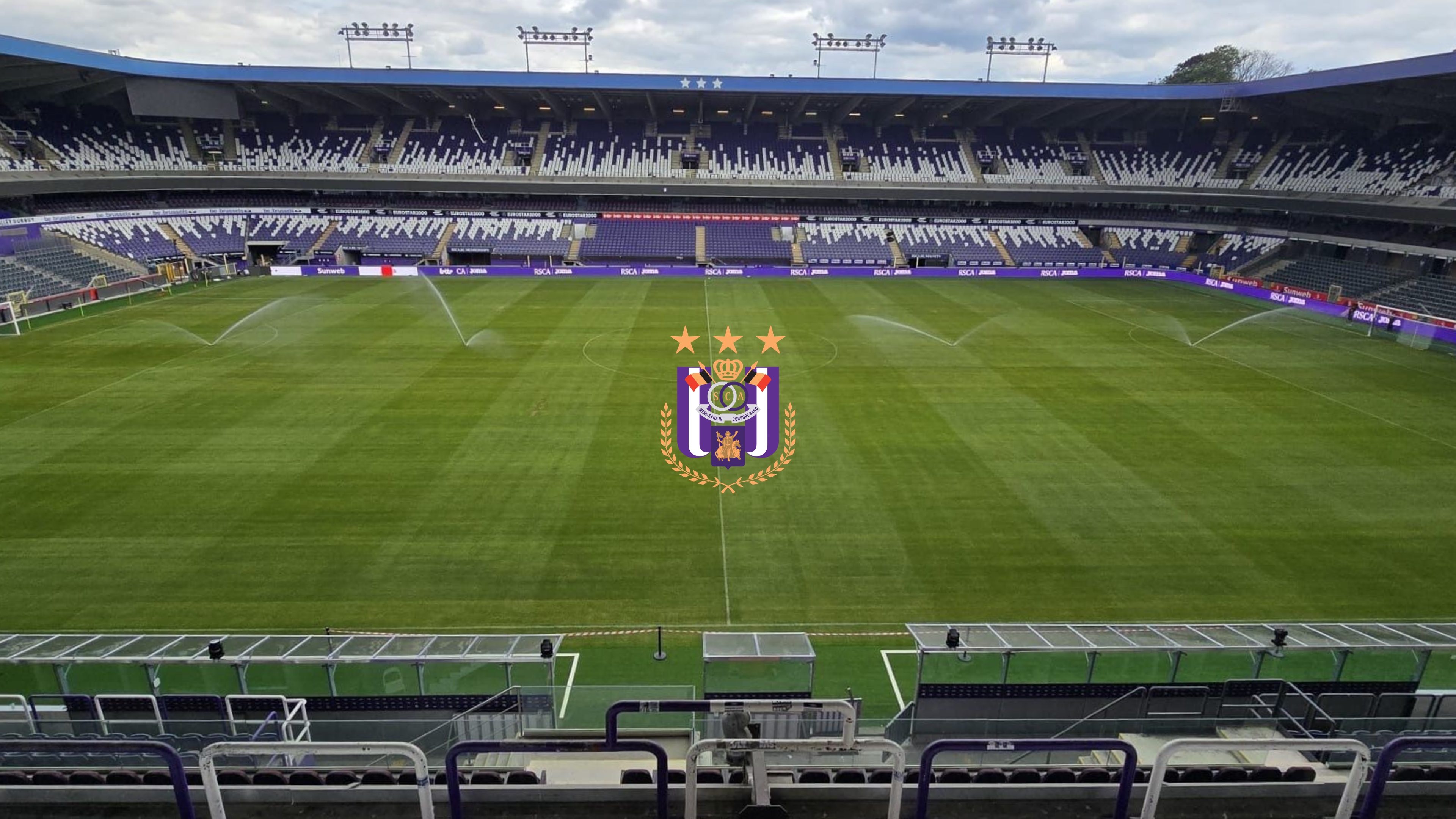
Natural turf installation for the Royal Sporting Club Anderlecht
Natural turf installation for Anderlecht: Lotto Park chooses FLexGrass natural turf sod
scopri il progetto