

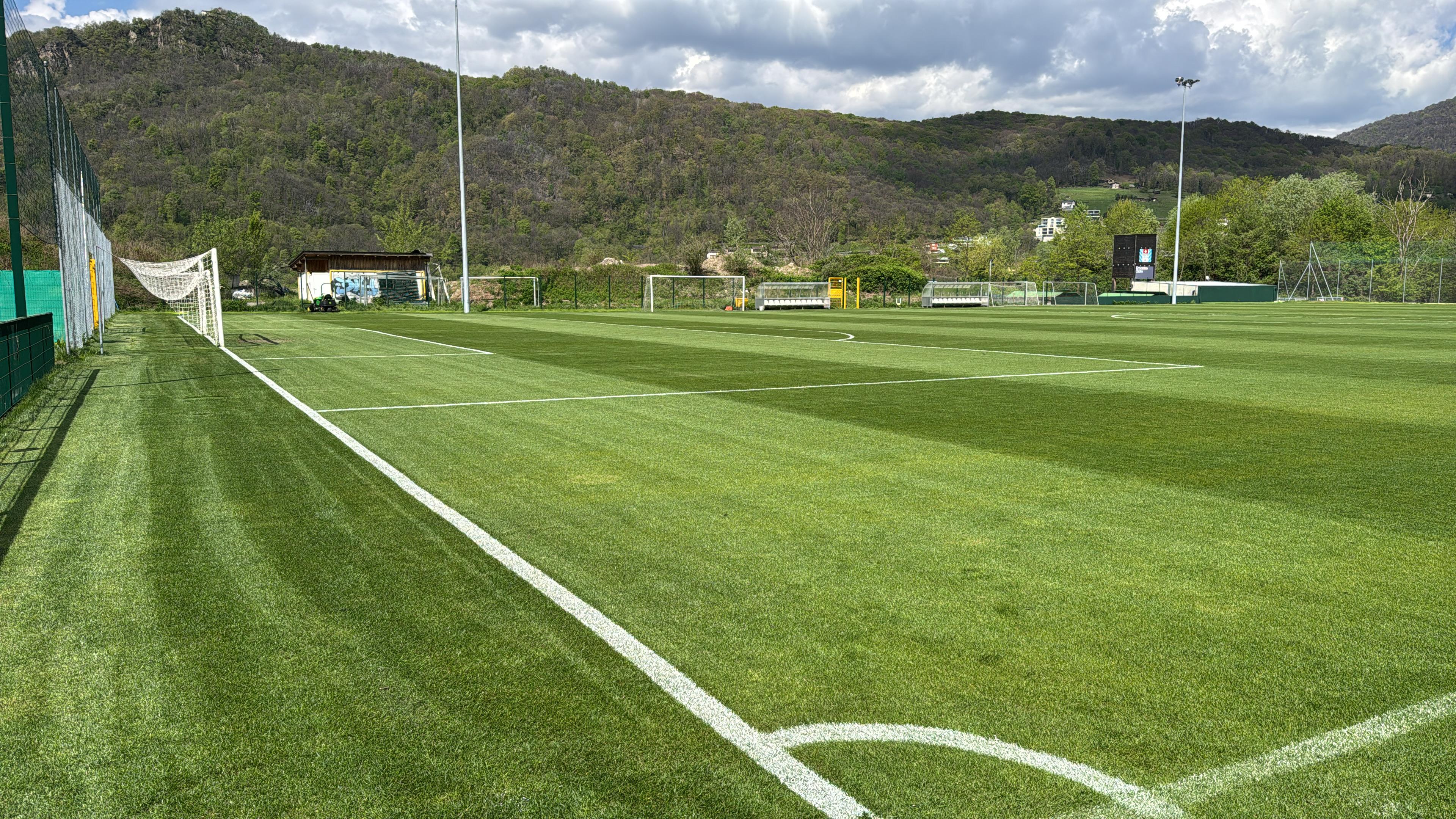
Natural Grass or Hybrid Turf? What's the Difference?
Understanding the difference between natural grass and hybrid turf is fundamental to identifying the high-performance sports surface best suited to the needs of top-tier clubs worldwide, ensuring consistently performing and aesthetically impeccable playing fields.
Regarding aesthetics, visual impact must be perfect, whether with natural grass or hybrid turf, it is crucial to emphasise that there is no visual difference between the two solutions.
Natural Grass: When to Use It
Natural grass refers to a turf surface created entirely from natural material, without synthetic reinforcement or adhesives. Grass sods are cultivated in specialized nurseries and maintained through irrigation, fertilisation, mowing, and specific agronomic interventions.
This is the most traditional choice for non-professional sports pitches, gardens, parks, and landscaped areas. In professional sport, particularly football, this solution is used by clubs with open-air stadia, where sunlight and heat reach the entire pitch, and consequently, no shaded zones exist.
This allows natural grass to maintain a naturally brilliant green colour without the use of specialist heating lamps, a technique employed in more "enclosed" stadia or where weather conditions are not always optimal. For this reason, the vast majority of stadia with natural grass are located in Central-Southern Italy and regions with mild, Mediterranean climates.
Hybrid Turf: Key Characteristics
Hybrid turf is a system combining living natural grass with synthetic reinforcement fibres. These fibres provide increased ground stability, enhance resistance to foot traffic and stress, allow for greater continuity of use, and keep the pitch performing for longer than natural grass pitches.
Hybrid turf products typically come in two types: the first is the "Carpet Hybrid System," in which natural grass is reinforced with a synthetic mat, production typically occurs in nurseries, where the artificial mat is laid and subsequently seeded, allowing natural grass to develop over the synthetic layer. The second is called "Stitched Hybrid System." In this case, the natural grass pitch is “stitched”, synthetic fibres are injected vertically using a dedicated machine.
For this reason, the majority of professional sports clubs choose hybrid turf over natural grass, given the large number of competitions and consequently the many matches to be played.
Maintenance: What's the Difference?
Natural grass maintenance requires important, comprehensive, and meticulous agronomic management: irrigation, mowing, fertilisation, overseeding, phytosanitary treatments, and continuous monitoring of vegetative condition.
The same applies to hybrid turf: the vegetative component in hybrid turf is approximately 90%, so it behaves, in almost all respects, like natural grass. The only difference is the compactness of the turf surface, which is more resistant and consequently less prone to wear.
In conclusion, maintenance for natural grass and hybrid turf is virtually identical.
Unsure Which to Choose Between Natural Grass and Hybrid Turf? Contact Us
Request informationRealized projects.
-
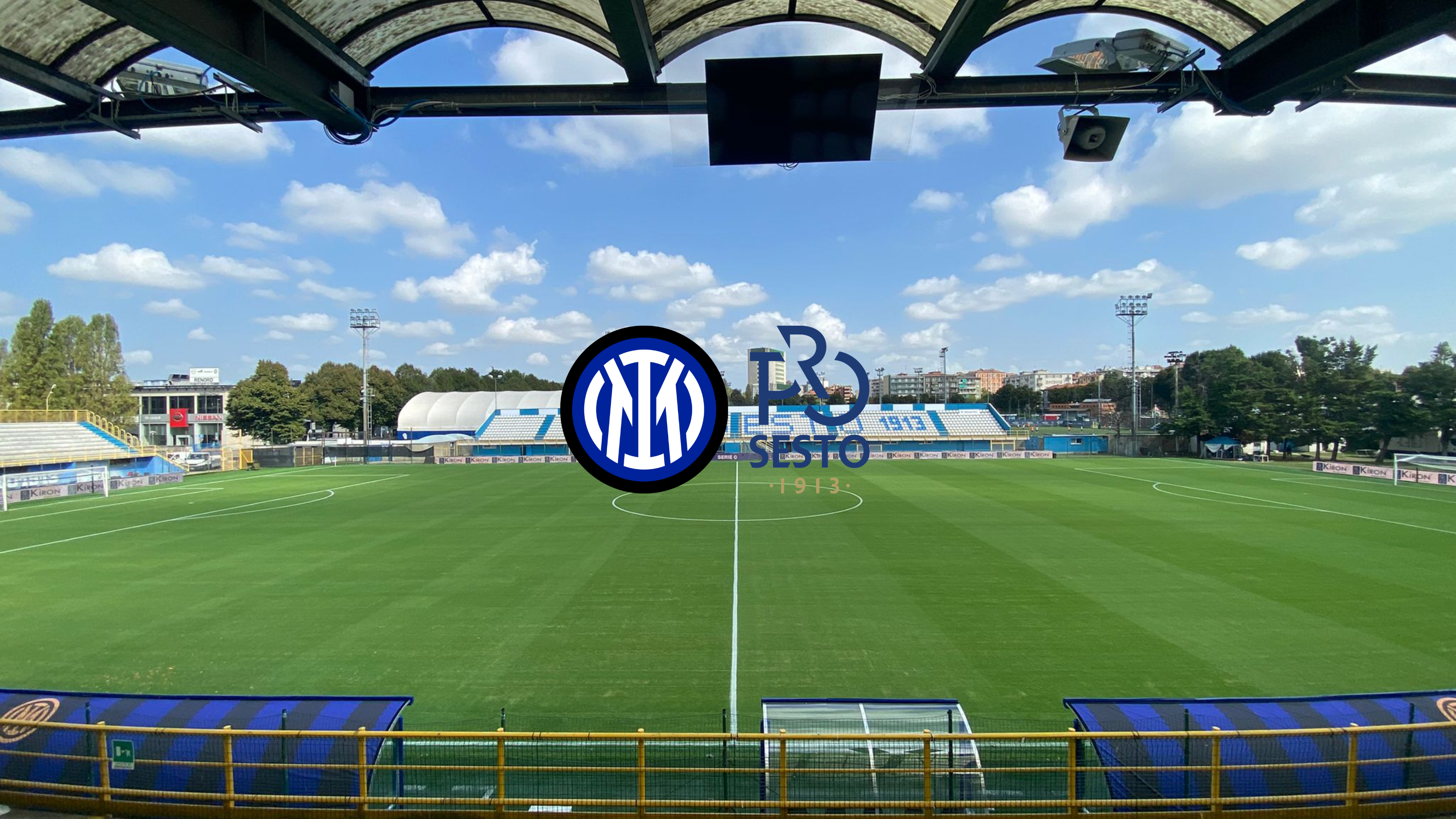
Construction of the new natural pitch at Stadio Ernesto Breda
The FLexGrass team delivered the new natural pitch at Stadio Ernesto Breda in just 2 months
scopri il progetto

-
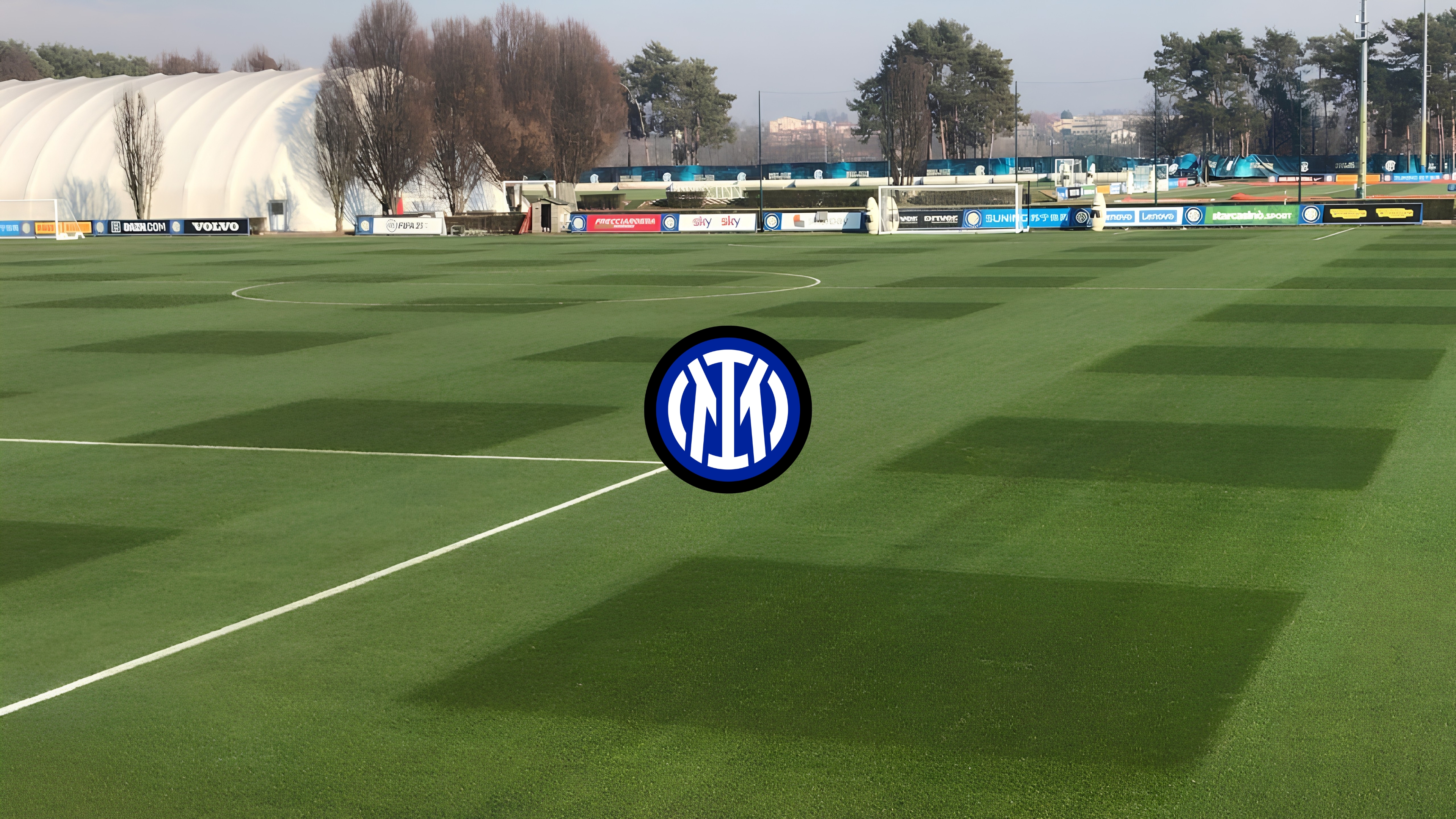
Renovation of the Pitches at the Centro Sportivo Angelo Moratti, Inter
FLexGrass carried out several pitch renovation works at the Centro Sportivo Angelo Moratti
scopri il progetto
-
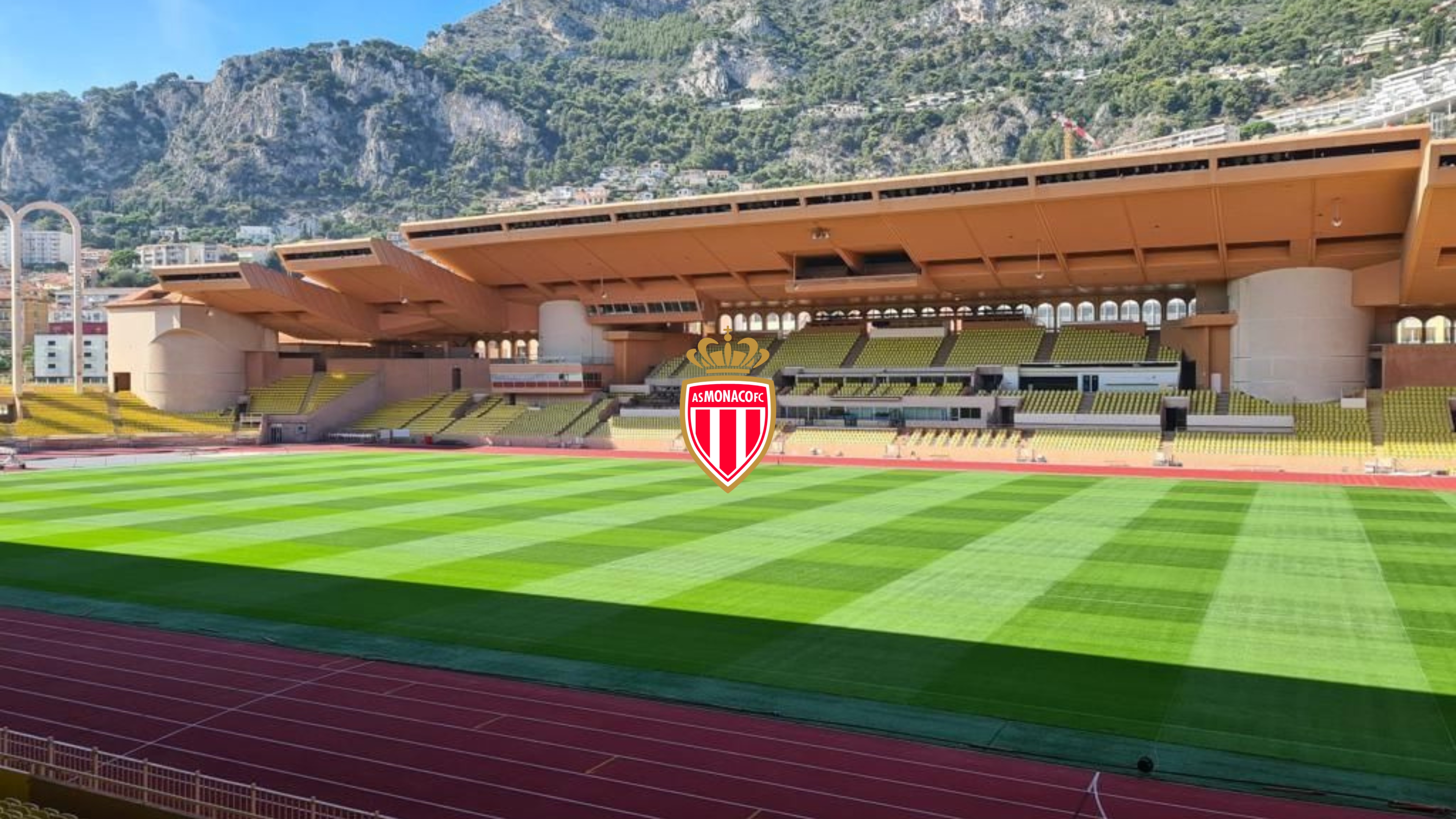
Louis II Stadium pitch in Monaco: the FLexGrass project
Discover the execution of the works on the pitch of the Louis II Stadium in Monaco
scopri il progetto
-
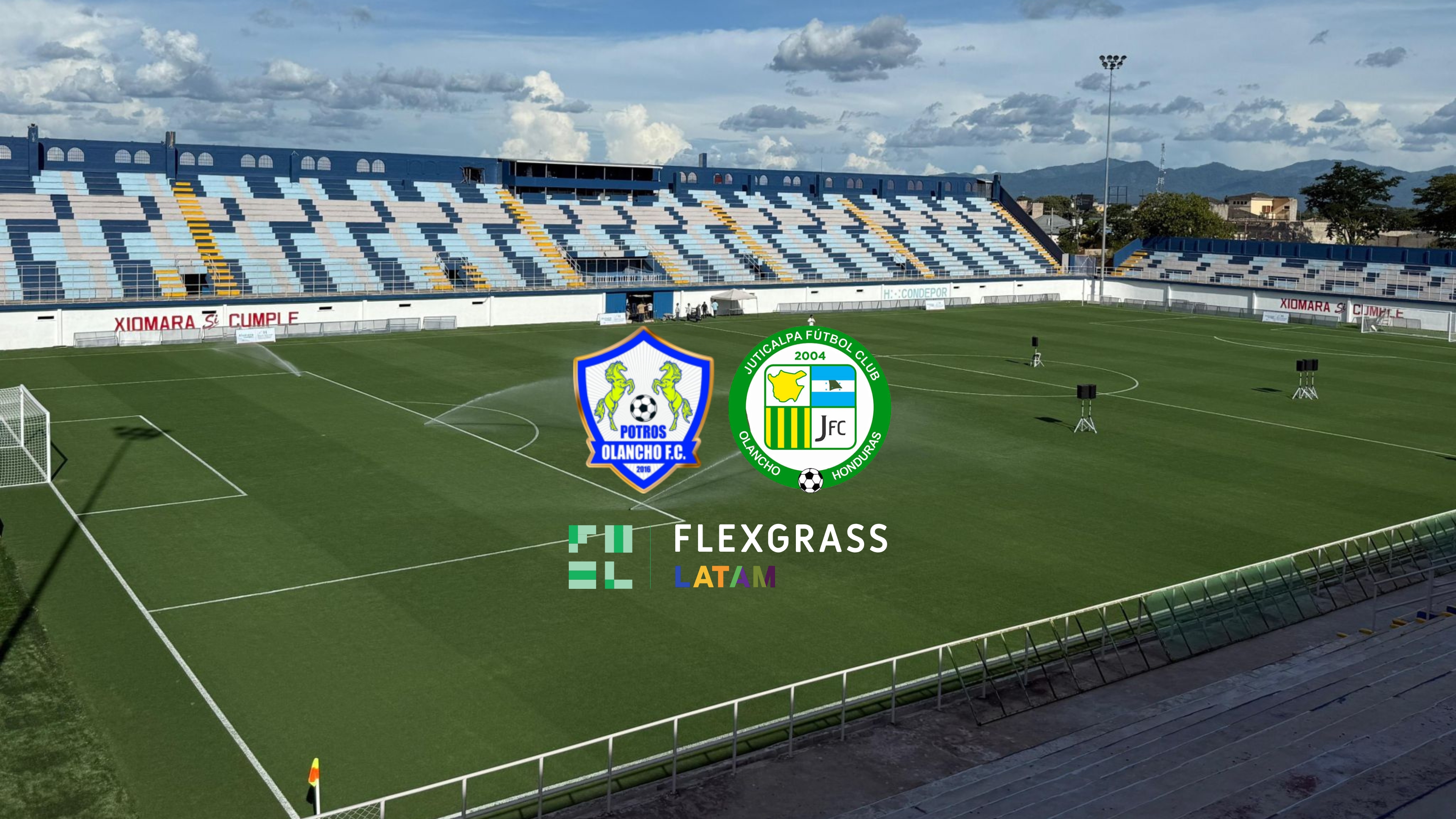
FLexGrass team in Honduras for the Juan Ramón Brevé Vargas stadium
Our hybrid turf system Horizon was selected for the Juan Ramón Brevé Vargas stadium
scopri il progetto
-
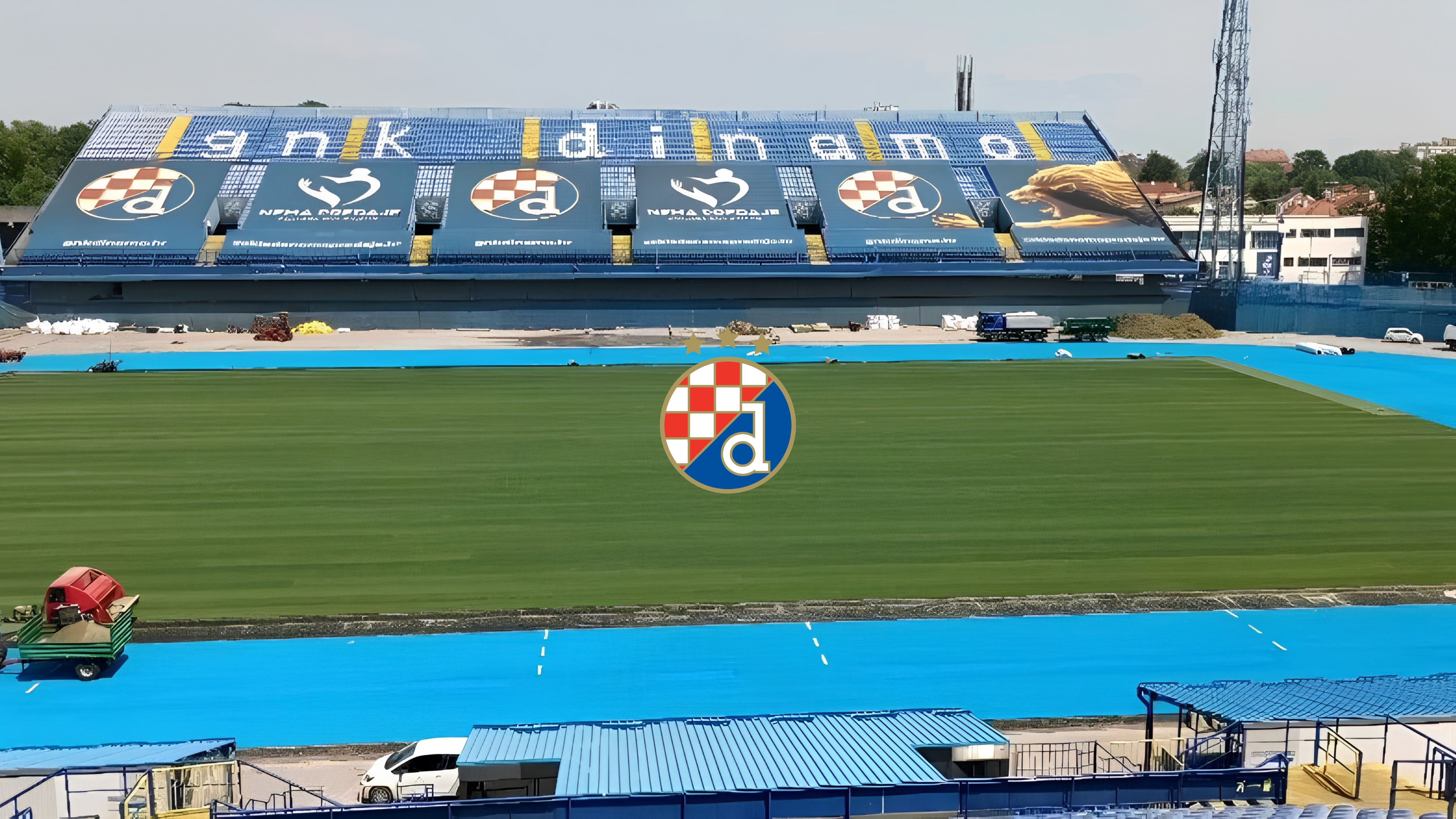
Dinamo Zagreb's stadium goes FLexGrass
In 2024 we were selected to replace the turf surface at Dinamo Zagreb's stadium
scopri il progetto
-
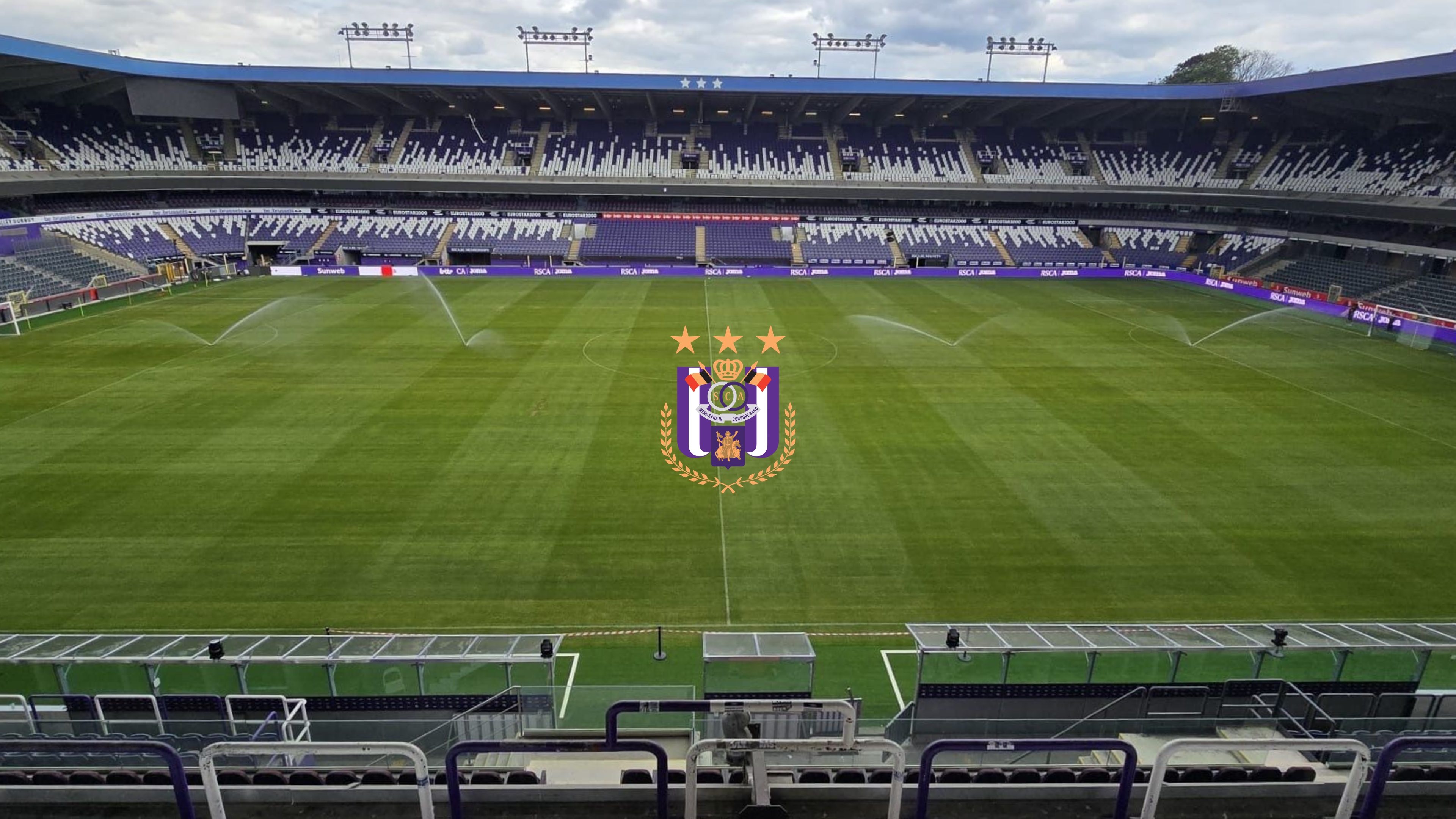
Natural turf installation for the Royal Sporting Club Anderlecht
Natural turf installation for Anderlecht: Lotto Park chooses FLexGrass natural turf sod
scopri il progetto