

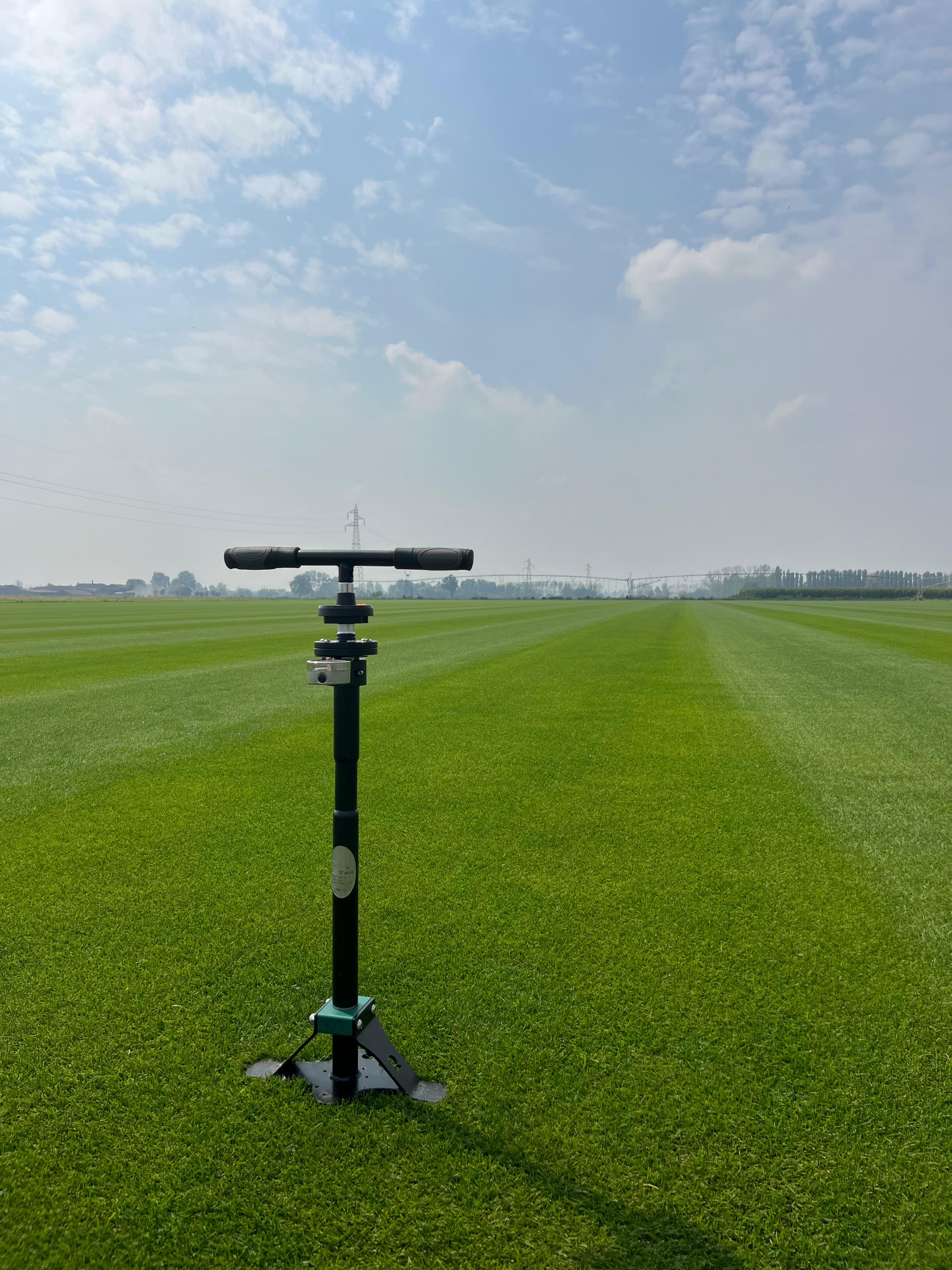
Traction in football: a key aspect not to be overlooked
By definition, traction is the set of grip forces between boot and playing surface that enables acceleration, braking, changes of direction, cuts and rotations.
In an era of modern football where athletes compete at extremely high intensity, traction has become one of the most important — if not the most important — parameters when assessing whether a pitch meets today's standards. Traction is a key variable both for performance and for player safety.
The key point is that traction has two sides:
- translational traction, i.e. how well the foot "holds" during push-off and braking
- rotational traction, i.e. how much resistance there is when the foot rotates
The second, in particular, cannot be seen with the naked eye.
How to Spot Traction Issues with the Naked Eye
Assessing optimal traction standards visually isn't possible; however, it is possible to identify areas of the pitch that appear more slippery or worn, or where players tend to "dig in" to the surface.
These warning signs can include:
- shiny or worn patches
- flattened or crushed grass
- surface that is too dry, too wet or over-compacted
- unstable footing, slipping, divots coming away
- unusual marks left by studs
However, BE CAREFUL: a pitch can look "good" visually but still have the wrong mechanical response when the foot twists and locks.
For this reason, a visual inspection alone is not enough.
How to Measure Traction
To obtain a clear and detailed measurement, the essential tools for verifying optimal traction on a playing surface are:
- Linear devices for translational traction: used to measure resistance to slipping — not rotation, but "grip" during push-off, braking or changes of direction.
- Rotational Traction Athlete (RTA): an instrument that simulates the rotation of the foot on the playing surface. Essentially, it measures how much the surface "holds" the foot when it rotates.
- Rotational Traction Tester (RTT): the instrument used to measure rotational traction. It works by applying a vertical load to a piston, which is then rotated.
Traction in professional football is typically measured with these dedicated systems. FIFA places strong emphasis on setting clear guidelines to ensure traction is measured correctly and, as a result, to help prevent injuries.
The Different Ways Traction Can Cause Injuries
Too much traction and too little traction do not carry the same type of risk.
When traction is excessive, the main risk is that the foot locks in place. In this situation, the ankle, tibia and knee are the areas most exposed to trauma, as torsional loads on them increase. Most resulting injuries are non-contact injuries, such as anterior cruciate ligament (ACL) tears or ankle sprains.
The literature describes this mechanism as "foot fixation": the foot stays locked while the athlete's body continues moving.
When traction is too low, on the other hand, the athlete loses grip on the surface and slips. In this case, the technical term is "slipping." This increases the risk of motor errors, off-axis footing and indirect trauma.
Traction in football is therefore an extremely important factor in ensuring a high-performing surface and, above all, player safety.
Want to assess the traction of your football pitch? Contact us to request a consultation.
Realized projects.
-
Construction of the new natural pitch at Stadio Ernesto Breda
The FLexGrass team delivered the new natural pitch at Stadio Ernesto Breda in just 2 months
scopri il progetto

-
Renovation of the Pitches at the Centro Sportivo Angelo Moratti, Inter
FLexGrass carried out several pitch renovation works at the Centro Sportivo Angelo Moratti
scopri il progetto
-
Louis II Stadium pitch in Monaco: the FLexGrass project
Discover the execution of the works on the pitch of the Louis II Stadium in Monaco
scopri il progetto
-
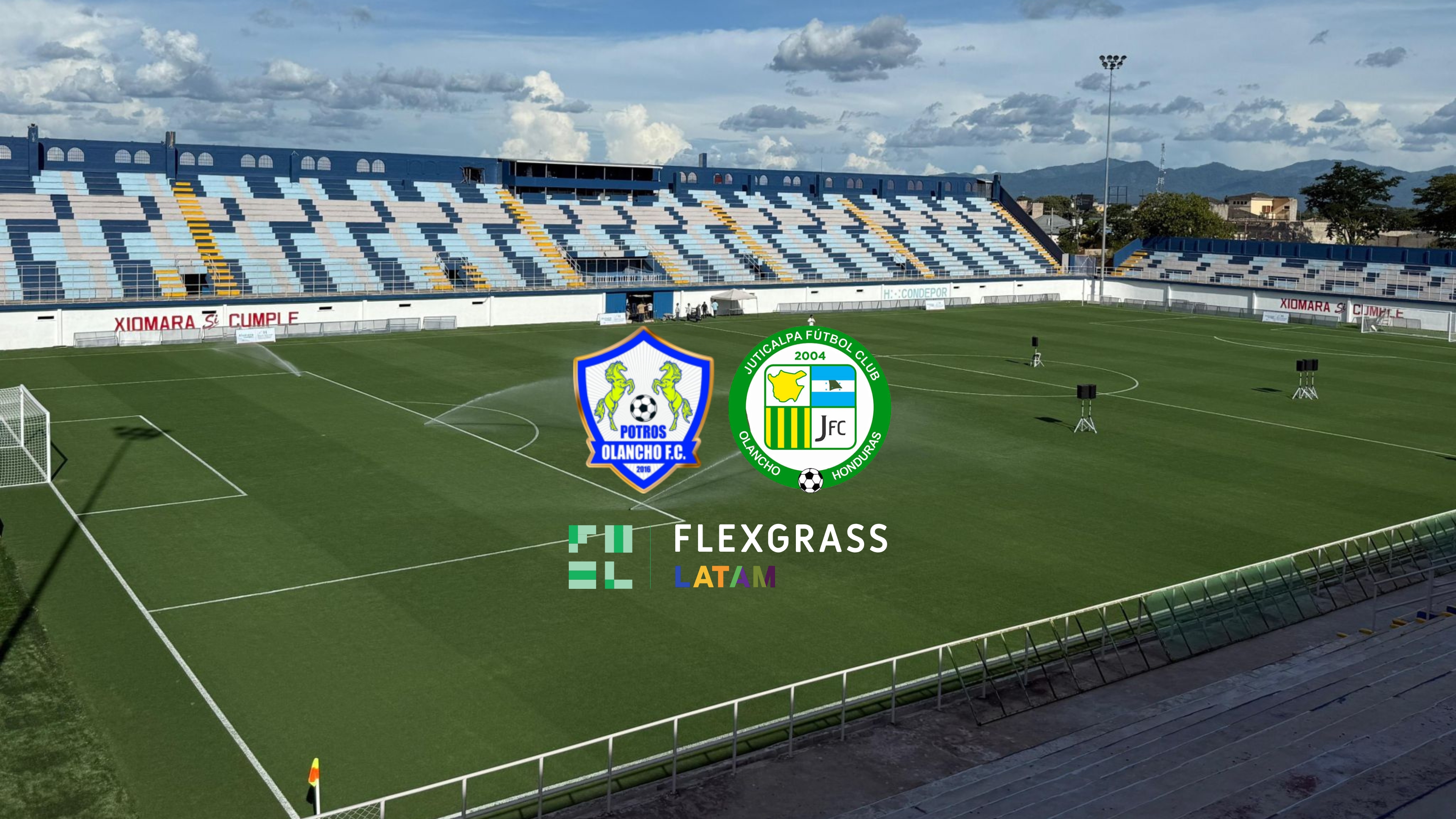
FLexGrass team in Honduras for the Juan Ramón Brevé Vargas stadium
Our hybrid turf system Horizon was selected for the Juan Ramón Brevé Vargas stadium
scopri il progetto
-
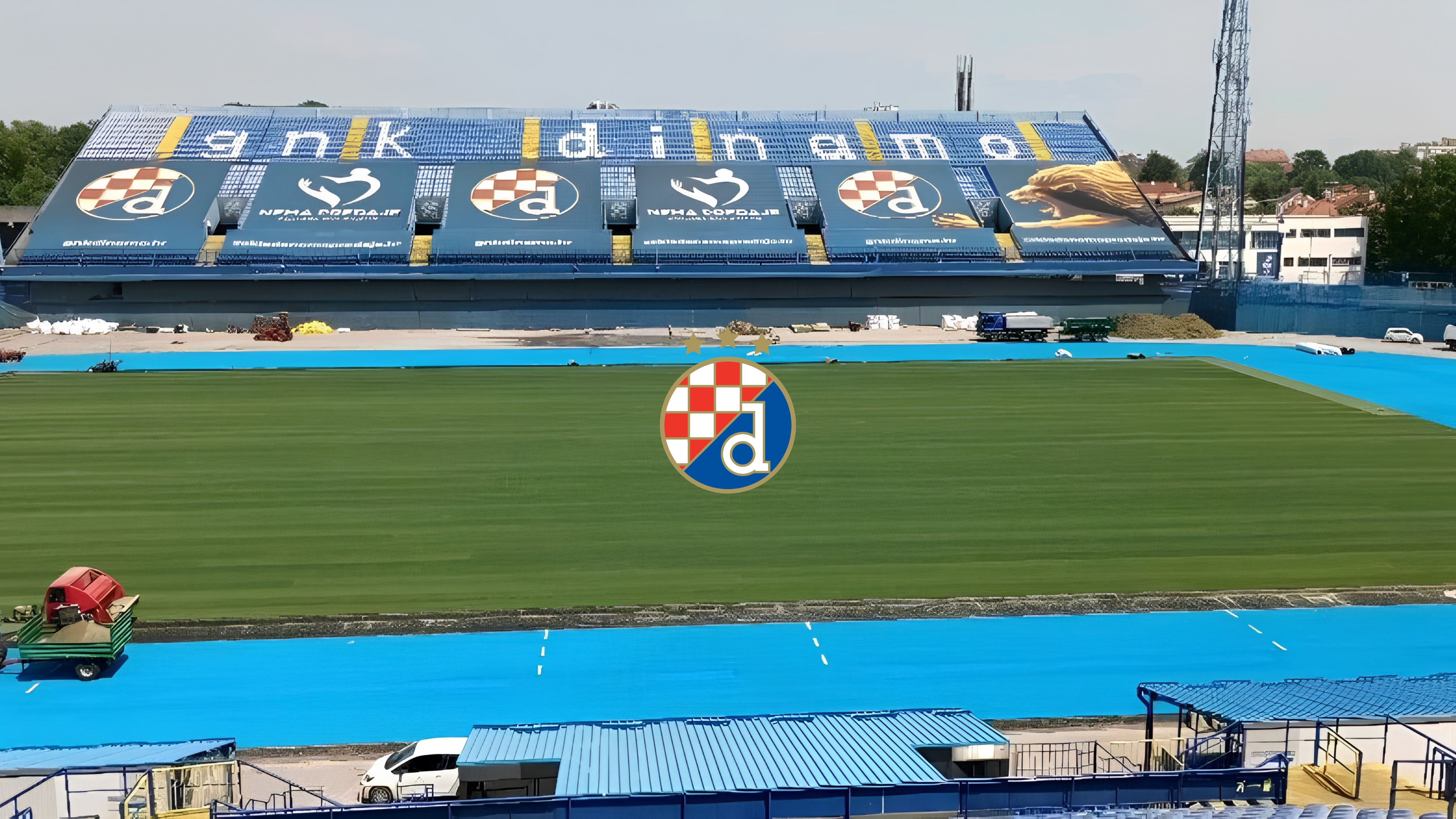
Dinamo Zagreb's stadium goes FLexGrass
In 2024 we were selected to replace the turf surface at Dinamo Zagreb's stadium
scopri il progetto
-
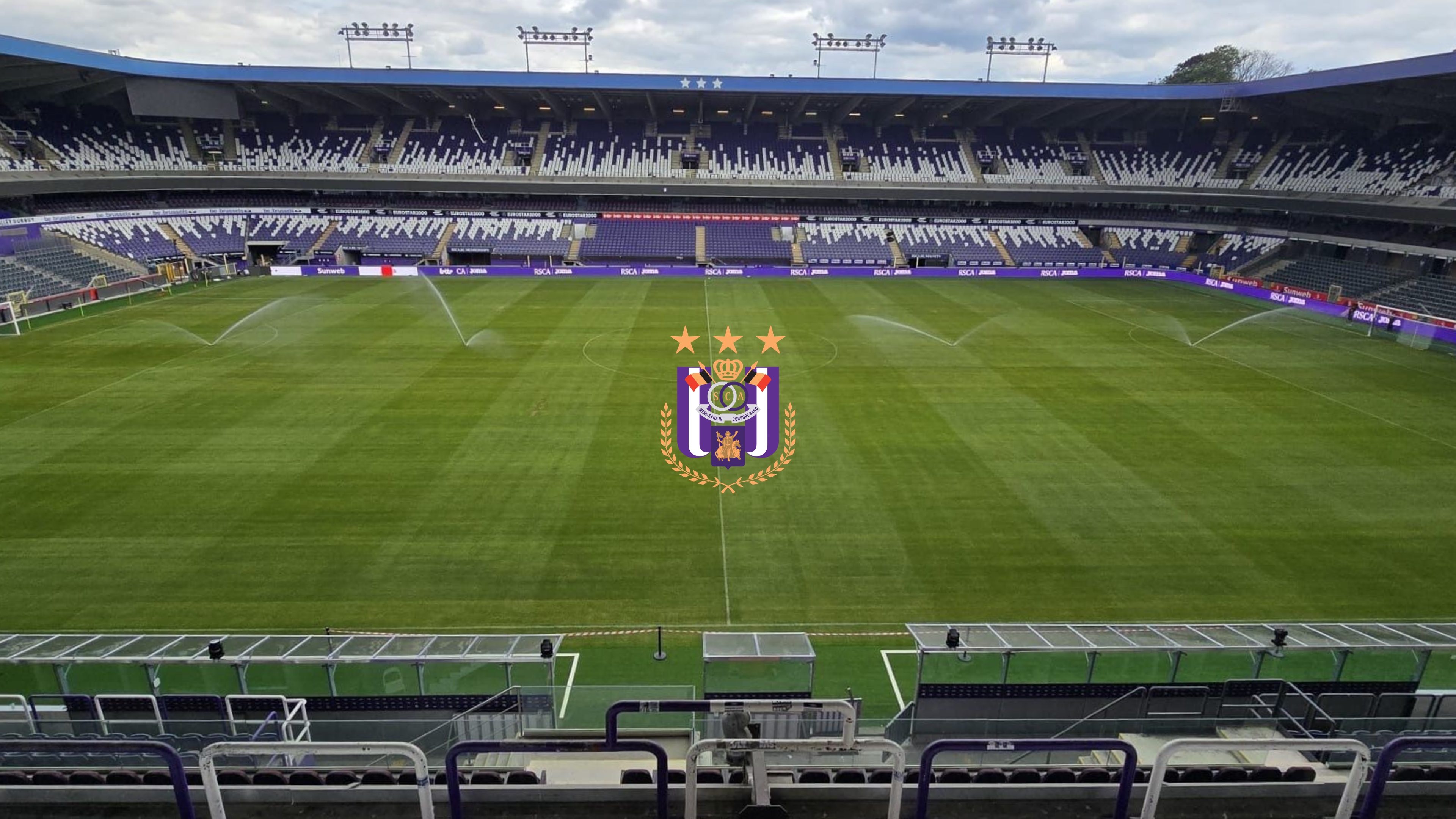
Natural turf installation for the Royal Sporting Club Anderlecht
Natural turf installation for Anderlecht: Lotto Park chooses FLexGrass natural turf sod
scopri il progetto