


A professional football pitch is not designed around a theoretical number of hours. It is designed to sustain a defined level of use while maintaining consistent performance.
In a professional environment, this means managing daily training, closely scheduled fixtures and variable weather conditions without compromising stability, surface levels and playing quality.
The real carrying capacity of a pitch depends on how it has been built and managed: surface type, sub-base, drainage and maintenance determine how long the pitch can remain in good playing condition.
The surface makes the difference
The number of hours a pitch can sustain varies significantly depending on the playing surface.
A natural grass pitch provides highly valued playing conditions, but it is more affected by wear when usage cycles become intensive.
A hybrid system, thanks to synthetic reinforcement, improves surface stability and increases the pitch’s ability to withstand a high number of playing hours.
In professional contexts, this difference becomes particularly important during periods when training sessions, matches and additional activities are concentrated within short timeframes.
What lies below the surface also matters
The number of hours a pitch can sustain does not depend only on the turf.
Sub-base quality, the works carried out to build it, correct management of falls and levels, and the integration of drainage systems are all essential factors.
A pitch built on a stable, correctly designed base maintains its technical characteristics for longer, whereas an inadequate structure accelerates surface deterioration and reduces availability.
Intensive use and pitch recovery
Another key aspect is the recovery capacity of the surface.
It is not only about how many playing hours the pitch receives, but also how quickly it can recover between uses.
In professional pitches, the real challenge is often repeated stress within short periods: daily training, fixtures close together and difficult weather. In these cases, a surface designed for intensive use can maintain more stable performance and reduce the risk of early deterioration.
Maintenance directly affects playing hours
Maintenance is a decisive factor in the operational lifespan of a pitch.
Correct turf management, supported by planned operations and specific agronomic expertise, preserves surface performance and keeps the pitch playable for longer.
By contrast, inadequate maintenance quickly reduces the pitch’s ability to sustain play, increasing downtime and the need for corrective works.
Natural and hybrid pitches: different carrying capacities
At high level, the difference between natural and hybrid pitches is most evident in the ability to sustain continuous use.
Natural pitches can deliver excellent playing conditions, but they require very careful management to maintain high standards when playing hours increase.
Hybrid pitches, on the other hand, are designed specifically to improve surface resistance, distribute stress more effectively and guarantee greater continuity of use throughout the season.
For this reason, in professional environments hybrid technology is often the most suitable solution when the pitch must withstand heavy workloads.
A design issue, not just a surface issue
A professional football pitch’s ability to sustain many playing hours does not depend on a single element, but on the overall quality of the project.
Surface, sub-base, drainage, civil works and maintenance must be designed as parts of one system.
This balance determines whether the pitch will maintain high performance over time or quickly show signs of wear and loss of quality.
A professional football pitch can sustain very different numbers of playing hours depending on how it has been designed, built and managed.
Where use is intensive and continuity of play is essential, the quality of the construction system and the choice of surface become decisive.
For this reason, assessing how many playing hours a pitch can withstand really means assessing the overall quality of the project.
Contact us to discuss the most suitable solutions for ensuring long-term pitch availability and high performance.
Request informationRealized projects.
-
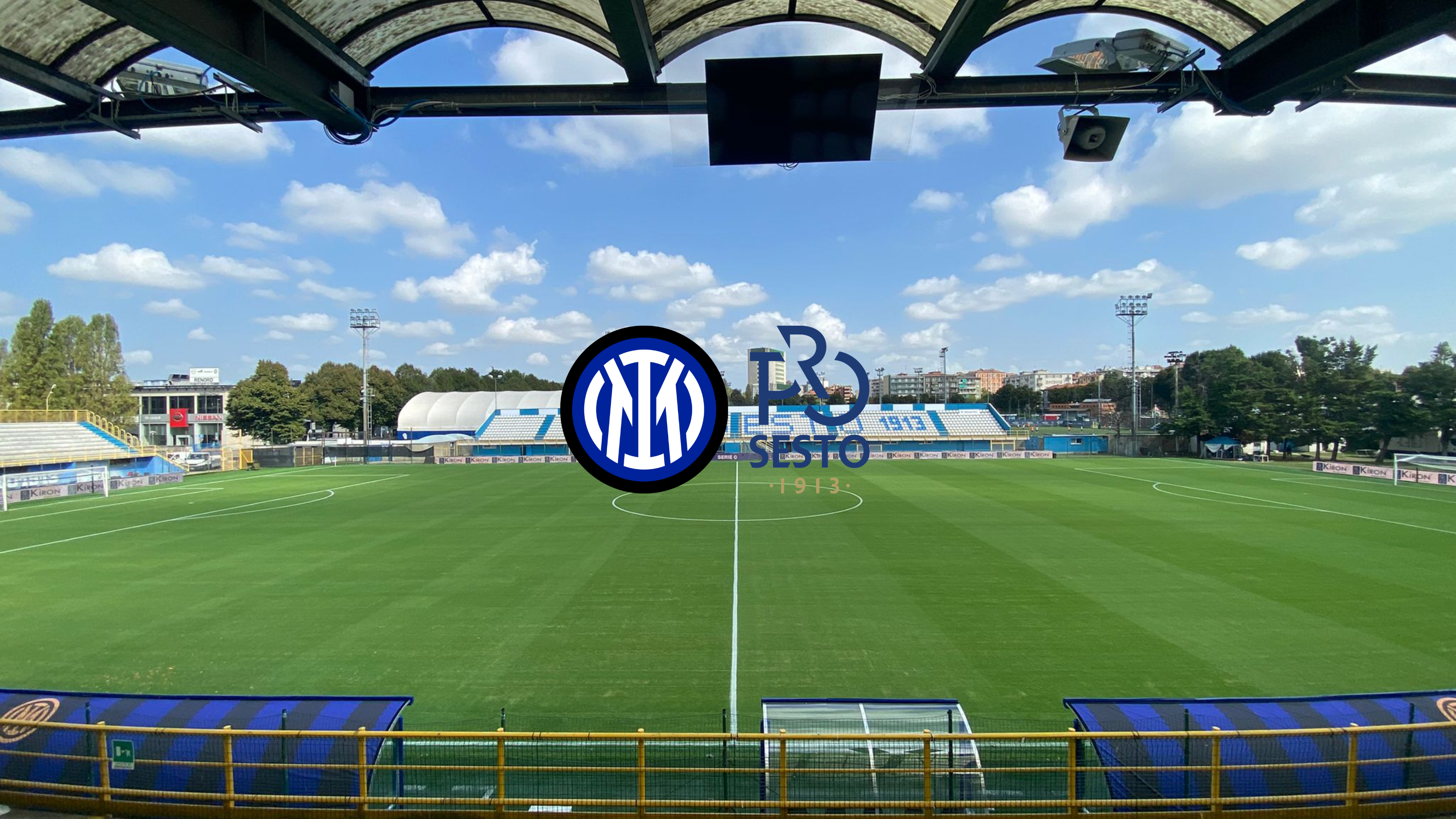
Construction of the new natural pitch at Stadio Ernesto Breda
The FLexGrass team delivered the new natural pitch at Stadio Ernesto Breda in just 2 months
scopri il progetto

-
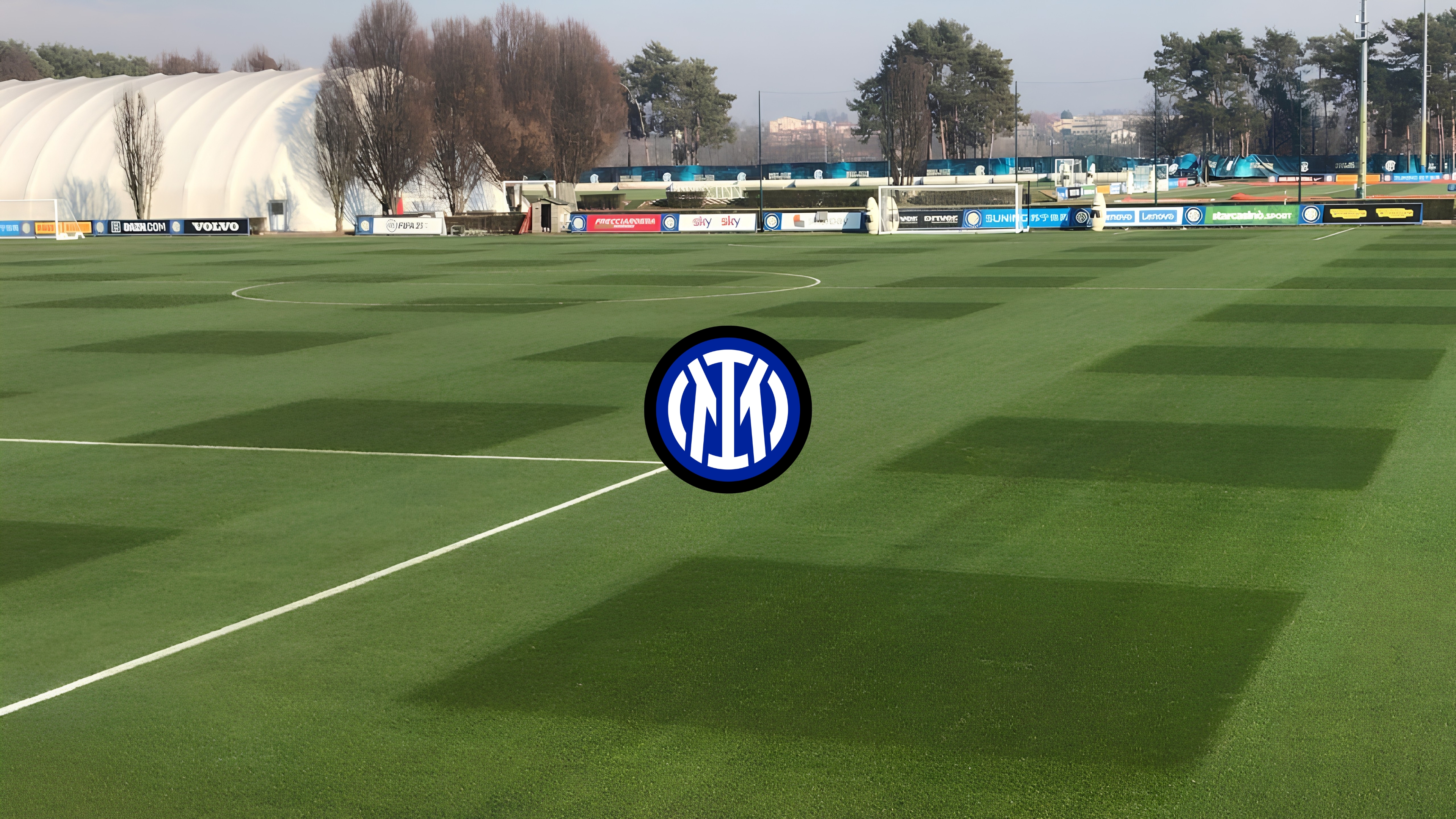
Renovation of the Pitches at the Centro Sportivo Angelo Moratti, Inter
FLexGrass carried out several pitch renovation works at the Centro Sportivo Angelo Moratti
scopri il progetto
-
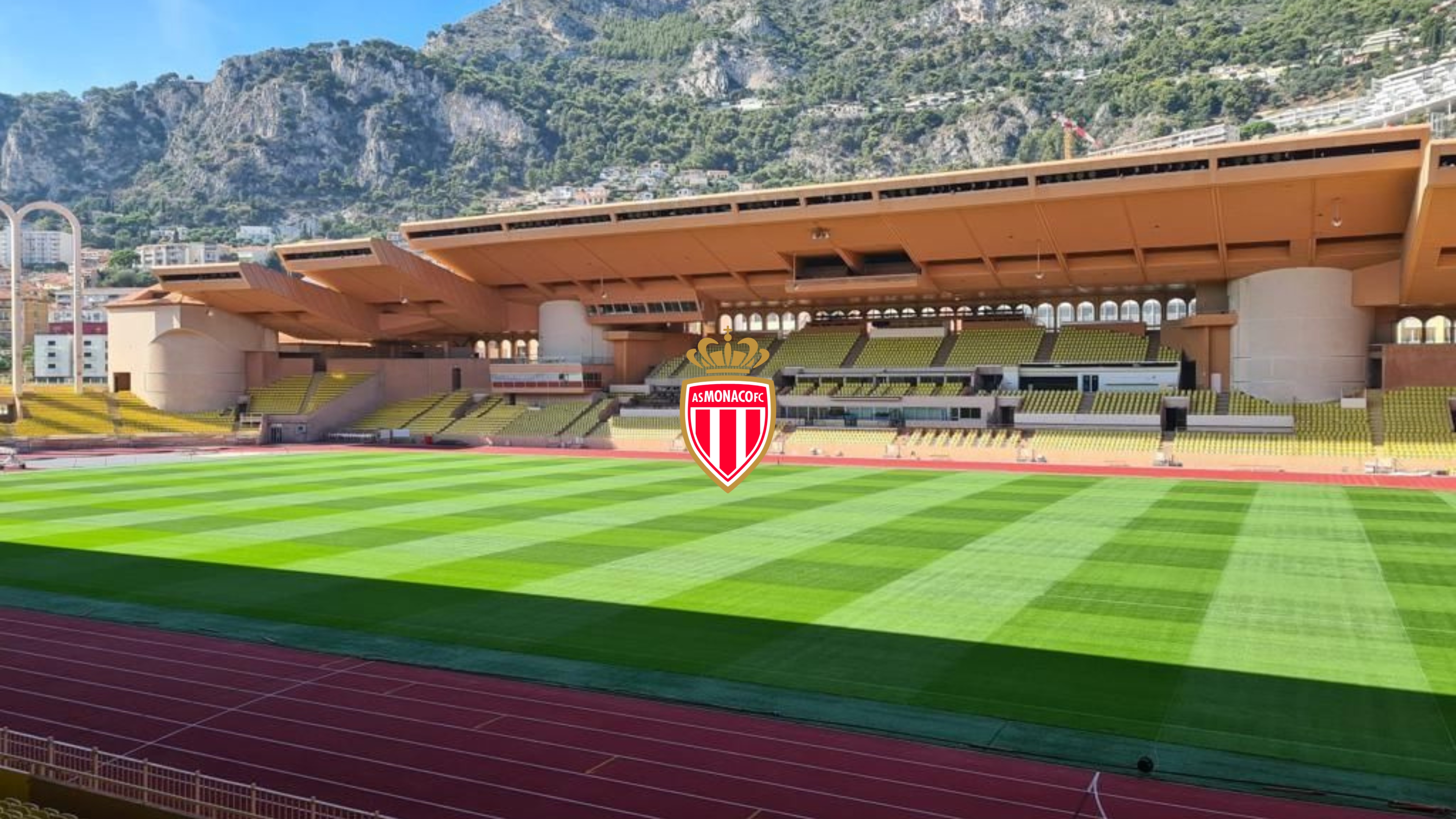
Louis II Stadium pitch in Monaco: the FLexGrass project
Discover the execution of the works on the pitch of the Louis II Stadium in Monaco
scopri il progetto
-
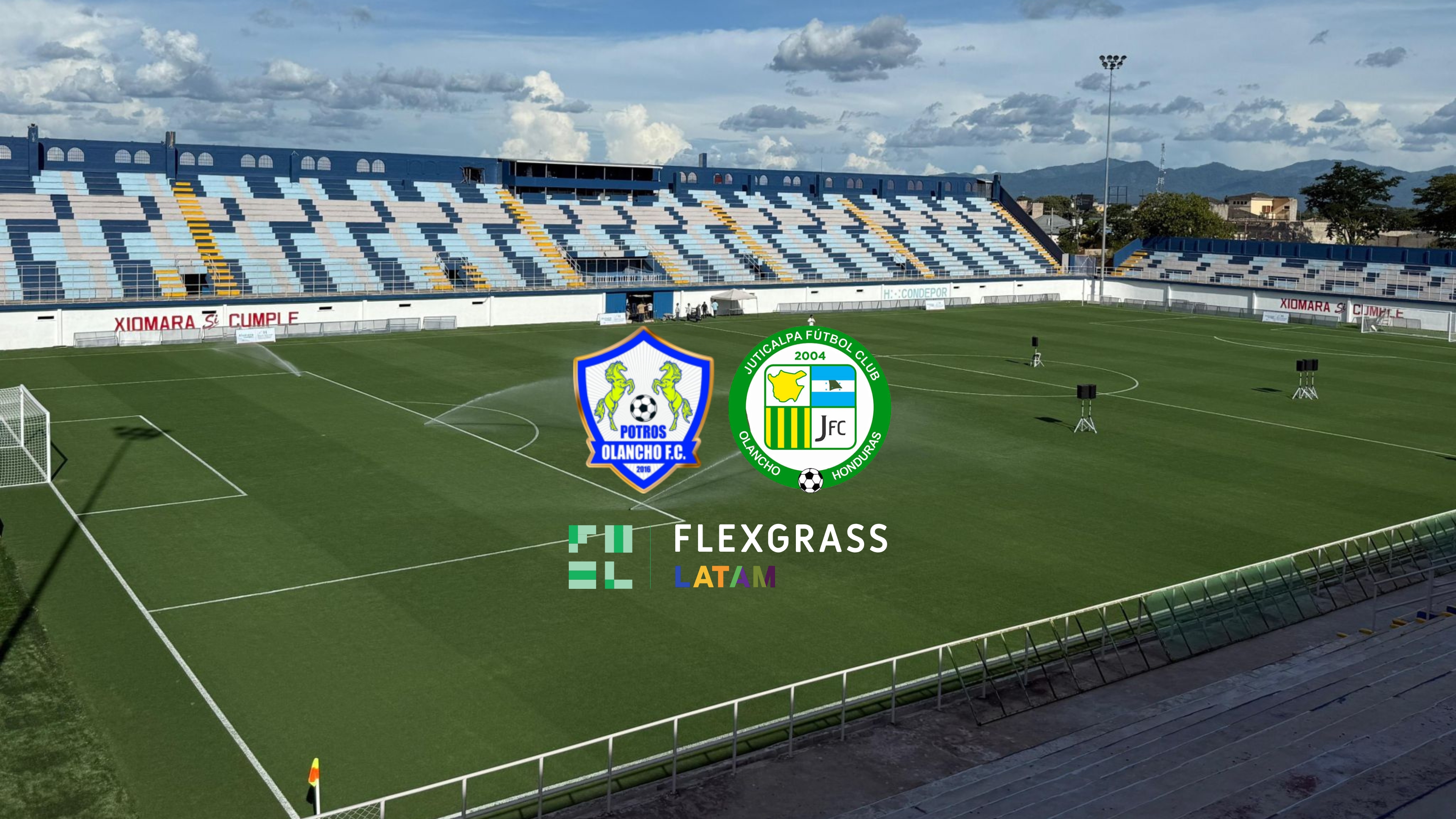
FLexGrass team in Honduras for the Juan Ramón Brevé Vargas stadium
Our hybrid turf system Horizon was selected for the Juan Ramón Brevé Vargas stadium
scopri il progetto
-
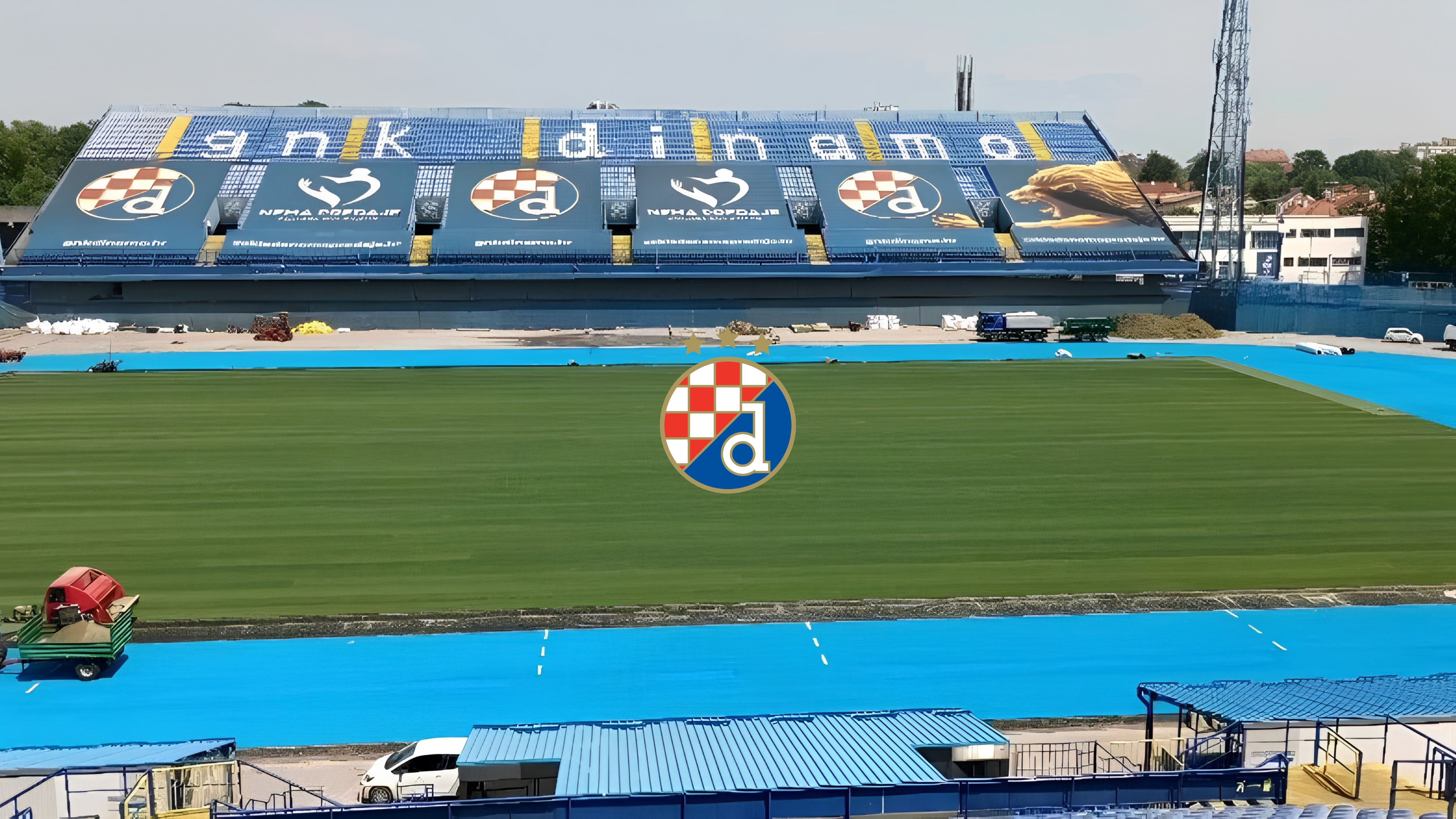
Dinamo Zagreb's stadium goes FLexGrass
In 2024 we were selected to replace the turf surface at Dinamo Zagreb's stadium
scopri il progetto
-
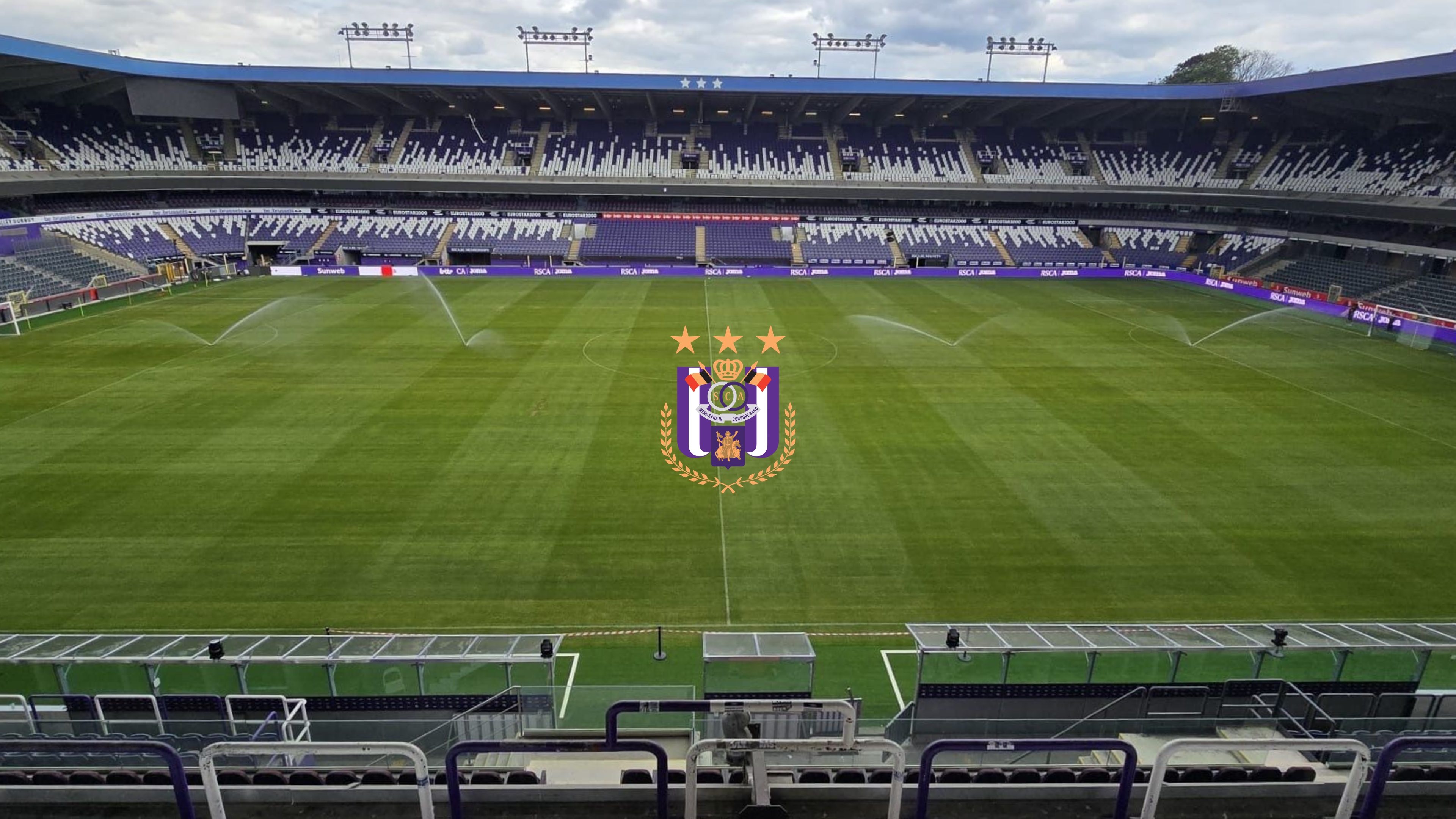
Natural turf installation for the Royal Sporting Club Anderlecht
Natural turf installation for Anderlecht: Lotto Park chooses FLexGrass natural turf sod
scopri il progetto